
From: Lisa Dutton <ldu@eftasurv.int>
Date: Wed, Oct 27, 2021 at 2:30 PM
Subject: Public Access Case 87083 – Request for access to documents – reply
To: <salmonfarmingkills@gmail.com>
Cc: <cho@eftasurv.int>, <Ewa.Gromnicka@eftasurv.int>
Dear Mr Staniford
I write further to the list of documents I sent you in the relevant cases and further to your request for
“any information since 1 January 2020 on imported/exported ova into salmon farms and any disease risks including Infectious Salmon Anaemia (ISA) and Piscine reovirus (PRV) … include discussions with the egg companies, government agencies, salmon farming companies and other parties.”
The following documents have now been published:
1124341 – RE: ISA-free zones and compartments
1124356 – Duplicate of 1124341
1124357 – Duplicate of 1124341
1124346 – ISA-free zones and compartments
1123154 – SV: Details of list updating and certification recommencement
1123138 – Re: Details of list updating and certification recommencement
1158794 – Norwegian ADNS Notification 30/03/20
However, the rest of the documents in the list are covered by one or more exemptions and access to them is being refused.
The reasons behind the refusals for the following documents are as follows:
Partial Refusal on the grounds of Article 4(4)(i)
Parts of the following documents are exempted from public access based on Article 4(4)(i) RAD, which provides that the Authority shall refuse access to a document, unless there is an overriding public interest in disclosure, where disclosure would undermine the protection of commercial interests of a natural or legal person, including intellectual property;
|
1163765 |
The above document concerned by this exemption is a closure memo, which contains some commercially sensitive information. The Authority takes the view that disclosing the commercially sensitive parts of the document would undermine the protection of the commercial interests of the third party.
The Authority takes the view is that there is no overriding public interest in disclosure of the redacted parts of the above document.
The remainder of the document, with redactions, has been published and is available at:
Refusal on the grounds of Article 4(4)(iii)
The following documents are exempted from public access based on Article 4(4)(iii) RAD, which provides that the Authority shall refuse access to a document, unless there is an overriding public interest in disclosure, where disclosure would undermine the protection of the purpose of inspections, investigations and audits
|
1154155 |
1130735 |
1123592 |
|
1154280 |
1130733 |
1123713 |
|
1150012 |
1129999 |
1164344 |
|
1150377 |
1123968 |
|
|
1149936 |
1123614 |
The documents concerned by this exemption relate to the preparation, the findings and the subsequent follow-up of investigation meetings with the Norwegian Food Safety Authority (NFSA) on aquaculture, which was held from 21 to 23 September 2020.
In order for the Authority to carry out its task in ensuring compliance with the EEA Agreement in the EEA, the Authority needs to ensure that it has the necessary good working relationships with the EFTA States and European Commission. This involves sharing sensitive information, in order to have a free and open discussion between a regulator (ESA), a cooperating regulatory body (the Commission) and the regulated State.
The Authority takes the view that disclosing the documents exchanged concerning the above-mentioned investigation would risk making the States and the Commission reluctant to share information with the Authority in relation to these important missions. As disclosing the concerned documents with the public at large would make a free and open discussion between the Authority and other stakeholders more difficult, the Authority considers that disclosing the concerned documents would undermine the protection of the purpose of inspections, investigations and audits.
The view of the Authority is that the documents cannot be partially redacted, as the redactions would be so extensive that they would render the remaining information useless.
The Authority takes the view is that there is no overriding public interest in disclosure of the above documents.
Refusal on the grounds of Article 4(4)(iii), Article 4(5), and Article 4(4)(i) RAD
The following documents are exempted from public access based on
- Article 4(4)(iii) RAD, which provides that the Authority shall refuse access to a document, unless there is an overriding public interest in disclosure, where disclosure would undermine the protection of the purpose of inspections, investigations and audits; and
- Article 4(5) RAD, which provides that the Authority shall refuse access to a document which relates to a matter where the decision has not been taken by the Authority, if disclosure of the document would seriously undermine the Authority’s decision-making process, unless there is an overriding public interest in disclosure; and
- Article 4(4)(i) RAD, which provides that the Authority shall refuse access to a document, unless there is an overriding public interest in disclosure, where disclosure would undermine the protection of: commercial interests of a natural or legal person, including intellectual property
|
1137854 |
1136838 |
1136840 |
|
1137855 |
1136836 |
1136834 |
|
1136844 |
1136842 |
Article 4(4)(iii) RAD
The documents concerned by this exemption relate to the preparation, the findings and the subsequent follow-up of investigation meetings with the Norwegian Food Safety Authority (NFSA) on aquaculture, which was held from 21 to 23 September 2020.
In order for the Authority to carry out its task in ensuring compliance with the EEA Agreement in the EFTA States, the Authority needs to ensure that it has the necessary good working relationships with the EFTA States and European Commission. This involves sharing sensitive information, in order to have a free and open discussion between a regulator (ESA), a cooperating regulatory body (the Commission) and the regulated State.
The Authority takes the view that disclosing the documents exchanged concerning the above mentioned investigation would risk making the States and the Commission reluctant to share information with the Authority in relation to these important missions. As disclosing the concerned documents with the public at large would make a free and open discussion between the Authority and other stakeholders more difficult, the Authority considers that disclosing the concerned documents would undermine the protection of the purpose of inspections, investigations and audits.
Article 4(5) RAD
This exemption is intended to safeguard the Authority’s decision-making process. In the follow-up to an inspection, the Authority and EFTA State are involved in discussing the actions which the State proposes to take in response to particular findings of the Authority; a discussion which is highly sensitive as it is likely to have an impact on multiple stakeholders.
Publishing the listed documents would prevent the Authority and the State from having a free and open dialogue, as both parties would risk being exposed to undue pressure from external actors who may be affected by the decisions, and would consequently seriously undermine the Authority’s decision-making process.
Article 4(4)(i) RAD
In addition, the above documents contain some commercially sensitive information. The Authority takes the view that disclosing the commercially sensitive parts of the document would undermine the protection of the commercial interests of the third party.
The Authority notes that the exemption under Article 4(4)(i) is partially applicable, in line with Article 4(9) RAD. However, the view of the Authority is that applying the exemptions set out in Article 4(4)(iii) RAD and Article 4(5) RAD means that the documents cannot be partially redacted, as the redactions would be so extensive that they would render the remaining information useless.
The Authority takes the view is that there is no overriding public interest in disclosure of the above documents.
Refusal on the grounds of Article 4(4)(iii) and Article 4(5) RAD
The following documents are exempted from public access based on
- Article 4(4)(iii) RAD, which provides that the Authority shall refuse access to a document, unless there is an overriding public interest in disclosure, where disclosure would undermine the protection of the purpose of inspections, investigations and audits; and
- Article 4(5) RAD, which provides that the Authority shall refuse access to a document which relates to a matter where the decision has not been taken by the Authority, if disclosure of the document would seriously undermine the Authority’s decision-making process, unless there is an overriding public interest in disclosure
|
1170226 |
1155437 |
1147257 |
|
1170224 |
1155586 |
1147259 |
|
1167625 |
1155587 |
1137302 |
|
1167627 |
1147255 |
1137304 |
Article 4(4)(iii) RAD
The documents concerned by this exemption relate to the preparation, the findings and the subsequent follow-up of investigation meetings with the Norwegian Food Safety Authority (NFSA) on aquaculture, which was held from 21 to 23 September 2020.
In order for the Authority to carry out its task in ensuring compliance with the EEA Agreement in the EEA, the Authority needs to ensure that it has the necessary good working relationships with the EFTA States and European Commission. This involves sharing sensitive information, in order to have a free and open discussion between a regulator (ESA), a cooperating regulatory body (the Commission) and the regulated State.
The Authority takes the view that disclosing the documents exchanged concerning above mentioned investigation would risk making the States and the Commission reluctant to share information with the Authority in relation to these important missions. As disclosing the concerned documents with the public at large would make a free and open discussion between the Authority and other stakeholders more difficult, the Authority considers that disclosing the concerned documents would undermine the protection of the purpose of inspections, investigations and audits.
Article 4(5) RAD
This exemption is intended to safeguard the Authority’s decision-making process. In the follow-up to an inspection, the Authority and EFTA State are involved in discussing the actions which the State proposes to take in response to particular findings of the Authority; a discussion which is highly sensitive as it is likely to have an impact on multiple stakeholders.
Publishing the listed documents would prevent the Authority and the State from having a free and open dialogue, as both parties would risk being exposed to undue pressure from external actors who may be affected by the decisions, and would consequently seriously undermine the Authority’s decision-making process.
The view of the Authority is that the documents cannot be partially redacted, as the redactions would be so extensive that they would render the remaining information useless.
The Authority takes the view is that there is no overriding public interest in disclosure of the above documents.
Refusal on the grounds of Article 4(2)(f), 4(4)(iii), and Article 4(4)(i) RAD
The following documents are exempted from public access based on
- Article 4(2)(f) RAD, which provides that the Authority shall refuse access to a document sent to or received from the Commission of the European Union or the EU Agencies listed in Appendix II to the present Rules, within the framework of cooperation laid down in the EEA Agreement and the SCA;, unless there is an overriding public interest in disclosure; and
- Article 4(4)(iii) RAD, which provides that the Authority shall refuse access to a document, unless there is an overriding public interest in disclosure, where disclosure would undermine the protection of the purpose of inspections, investigations and audits; and
- Article 4(4)(i) RAD, which provides that the Authority shall refuse access to a document, unless there is an overriding public interest in disclosure, where disclosure would undermine the protection of: commercial interests of a natural or legal person, including intellectual property
|
1209532 |
1138781 |
1158794 |
|
1209534 |
1138785 |
1138784 |
|
1209529 |
1138778 |
1138777 |
|
1209533 |
1138783 |
1138787 |
|
1209536 |
1138782 |
1138780 |
|
1209531 |
1138779 |
Article 4(2)(f)
The documents concerned by this exemption contain written correspondence between the Authority and the European Commission. This correspondence has taken place within the framework of cooperation laid down in the EEA Agreement, and is part of the necessary cooperation between the organisations in order to ensure that internal market legislation is interpreted similarly across the EEA and that the work undertaken by the Authority and its counterparts is conducted in a similar manner.
The test laid down in Article 4(2)(f) RAD is a strict test, which applies to the entirety of all documents sent to or received from the European Commission within this framework of cooperation, regardless of content.
Article 4(4)(iii) RAD
The documents concerned by this exemption relate to the preparation, the findings and the subsequent follow-up of investigation meetings with the Norwegian Food Safety Authority (NFSA) on aquaculture, which was held from 21 to 23 September 2020.
In order for the Authority to carry out its task in ensuring compliance with the EEA Agreement in the EEA, the Authority needs to ensure that it has the necessary good working relationships with the EFTA States and European Commission. This involves sharing sensitive information, in order to have a free and open discussion between a regulator (ESA), a cooperating regulatory body (the Commission) and the regulated State.
The Authority takes the view that disclosing the documents exchanged concerning above mentioned investigation would risk making the States and the Commission reluctant to share information with the Authority in relation to these important missions. As disclosing the concerned documents with the public at large would make a free and open discussion between the Authority and other stakeholders more difficult, the Authority considers that disclosing the concerned documents would undermine the protection of the purpose of inspections, investigations and audits..
Article 4(4)(i)
In addition, the above documents contain some commercially sensitive information. The Authority takes the view that disclosing the commercially sensitive parts of the document would undermine the protection of the commercial interests of the third party
The Authority notes that the exemption under Article 4(4)(i) is partially applicable, in line with Article 4(9) RAD. However, the view of the Authority is that applying the exemptions set out in Articles 4(2)(f) and 4(4)(iii) RAD means that the documents cannot be partially redacted, as the redactions would be so extensive that they would render the remaining information useless.
The Authority takes the view is that there is no overriding public interest in disclosure of the above documents.
Refusal on the grounds of Article 4(2)(f) and Article 4(4)(iii) RAD
The following documents are exempted from public access based on
- Article 4(2)(f) RAD, which provides that the Authority shall refuse access to a document sent to or received from the Commission of the European Union or the EU Agencies listed in Appendix II to the present Rules, within the framework of cooperation laid down in the EEA Agreement and the SCA, unless there is an overriding public interest in disclosure: and
- Article 4(4)(iii) RAD, which provides that the Authority shall refuse access to a document, unless there is an overriding public interest in disclosure, where disclosure would undermine the protection of the purpose of inspections, investigations and audits.
|
1124343 |
1124340 |
1123136 |
|
1124348 |
1124342 |
1123156 |
|
1124316 |
1124344 |
1123137 |
|
1124349 |
1164368 |
1164346 |
|
1124347 |
1123155 |
1164345 |
|
1124345, which is the same as Doc 1124347 |
1123157 |
1164369 |
|
1124315 |
1164366 |
Article 4(2)(f)
The documents concerned by this exemption contain written correspondence between the Authority and the European Commission. This correspondence has taken place within the framework of cooperation laid down in the EEA Agreement, and is part of the necessary cooperation between the organisations in order to ensure that internal market legislation is interpreted similarly across the EEA and that the work undertaken by the Authority and its counterparts is conducted in a similar manner.
The test laid down in Article 4(2)(f) RAD is a strict test, which applies to the entirety of all documents sent to or received from the European Commission within this framework of cooperation, regardless of content.
Article 4(4)(iii) RAD
The documents concerned by this exemption relate to the preparation, the findings and the subsequent follow-up of investigation meetings with the Norwegian Food Safety Authority (NFSA) on aquaculture, which was held from 21 to 23 September 2020.
In order for the Authority to carry out its task in ensuring compliance with the EEA Agreement in the EEA, the Authority needs to ensure that it has the necessary good working relationships with the EFTA States and European Commission. This involves sharing sensitive information, in order to have a free and open discussion between a regulator (ESA), a cooperating regulatory body (the Commission) and the regulated State.
The Authority takes the view that disclosing the documents exchanged concerning above mentioned investigation would risk making the States and the Commission reluctant to share information with the Authority in relation to these important missions. As disclosing the concerned documents with the public at large would make a free and open discussion between the Authority and other stakeholders more difficult, the Authority considers that disclosing the concerned documents would undermine the protection of the purpose of inspections, investigations and audits.
The view of the Authority is that the documents cannot be partially redacted, as the redactions would be so extensive that they would render the remaining information useless.
The Authority takes the view is that there is no overriding public interest in disclosure of the above documents.
Refusal on the grounds of Article 4(6) and Article 4(4)(iii)
The following documents are exempted from public access based on
- Article 4(6) RAD, which provides that the Authority shall refuse access to its internal memos, opinions or notes and Authority internal communication, except if such memos, opinions, notes or communication set out a final decision that is unavailable in any other form, or if there is an overriding public interest in disclosure: and
- Article 4(4)(iii) RAD, which provides that the Authority shall refuse access to a document, unless there is an overriding public interest in disclosure, where disclosure would undermine the protection of the purpose of inspections, investigations and audits.
|
1123089 |
1124351 |
1164353 |
1164354 |
1164375 |
|
1123092 |
1124354 |
1164362 |
1164347 |
1164373 |
|
1123090 |
1123714 |
1164360 |
1164378 |
1122138 |
|
1123091 |
1164367 |
1164356 |
1164370 |
1122140 |
|
1154187 |
1164359 |
1164358 |
1164371 |
1122141 |
|
1131261 |
1164350 |
1164349 |
1164377 |
1122139 |
|
1124353 |
1164351 |
1164352 |
1164374 |
|
|
1124352 |
1164348 |
1164364 |
1164363 |
|
|
1124355 |
1164361 |
1164355 |
1164372 |
|
|
1124350 |
1164365 |
1164357 |
1164376 |
|
|
1123089 |
1124351 |
1164353 |
1164354 |
Article 4(6)
This exemption is intended to ensure that staff working in ESA are able to discuss their thoughts with each other during the work process, before a final decision is reached. We have reviewed the documents concerned by this exemption and ascertained that they do not set out a final decision unavailable in any other form.
Article 4(4)(iii) RAD
The documents concerned by this exemption relate to the preparation, the findings and the subsequent follow-up of investigation meetings with the Norwegian Food Safety Authority (NFSA) on aquaculture, which was held from 21 to 23 September 2020.
In order for the Authority to carry out its task in ensuring compliance with the EEA Agreement in the EEA, the Authority needs to ensure that it has the necessary good working relationships with the EFTA States and European Commission. This involves sharing sensitive information, in order to have a free and open discussion between a regulator (ESA), a cooperating regulatory body (the Commission) and the regulated State.
The Authority takes the view that disclosing the documents exchanged concerning above mentioned investigation would risk making the States and the Commission reluctant to share information with the Authority in relation to these important missions. As disclosing the concerned documents with the public at large would make a free and open discussion between the Authority and other stakeholders more difficult, the Authority considers that disclosing the concerned documents would undermine the protection of the purpose of inspections, investigations and audits.
The view of the Authority is that the documents cannot be partially redacted, as the redactions would be so extensive that they would render the remaining information useless.
The Authority takes the view is that there is no overriding public interest in disclosure of the above documents.
Documents previously requested and refusal maintained
You requested the following documents in 2020, and the Authority has already taken a decision on whether to make a grant of public access to these documents.
The reasons for a denial of a grant of public access to the following documents are set out in the Annex to College Decision 075/20/COL, "Reply to confirmatory application – Request for all documents in Case 83033 – Document Number 1104387", which was sent to you on 3 July 2020:
|
1122137 |
1121673 |
1121187 |
1115739 |
|
1121666 |
1121674 |
1121188 |
1115740 |
|
1121667 |
1121675 |
1121189 |
1115737 |
|
1121664 |
1121676 |
1121190 |
1115738 |
|
1121665 |
1121180 |
1121191 |
1115741 |
|
1121668 |
1121182 |
1120853 |
1110741 |
|
1121669 |
1121183 |
1120859 |
1111527 |
|
1121670 |
1121184 |
1120861 |
1111519 |
|
1121671 |
1121185 |
1120855 |
1109833 |
|
1121672 |
1121186 |
1120857 |
1115739 |
The Authority takes the view that no changes have taken place since 3 July 2020 which would lead the Authority to revise this assessment.
I inform you that, pursuant to Article 10(1) RAD, a refusal of public access to documents entitles you within 15 working days (Thursday 18 November 2021) to make a confirmatory application asking the Authority to take a formal position regarding one or more of these documents. In the event that you make a confirmatory application, the President will adopt a Decision, and this decision will be a challengeable act before the EFTA Court.
Yours sincerely,
Lisa Dutton
Senior Assistant
Legal and Executive Affairs
+32 2 286 18 31
Lisa.Dutton@eftasurv.int
www.eftasurv.int
Here's Scottish Salmon Watch's FOI request filed in July 2021:
Date: Wed, Jul 7, 2021 at 6:45 AM
Subject: Fwd: FOI re. Ova Imports & disease risks (ISA & PRV)
To: Registry User <registry@eftasurv.int>
Cc: Howdle, Catherine <Catherine.Howdle@eftasurv.int>, <Carsten.Zatschler@eftasurv.int>, Nielsen, Jonas <Jonas.Nielsen@eftasurv.int>
Scottish Salmon Watch filed a new FOI request today (15 December 2021):
Date: Wed, Dec 15, 2021 at 11:14 AM
Subject: FOI re. Infectious Salmon Anaemia, Piscine Reovirus & Salmon Ova (Egg) Imports since 7 July 2021
To: Registry User <registry@eftasurv.int>
Cc: <cho@eftasurv.int>, Gromnicka, Ewa <Ewa.Gromnicka@eftasurv.int>, Lisa Dutton <ldu@eftasurv.int>
Scottish Salmon Watch reported in July 2020:
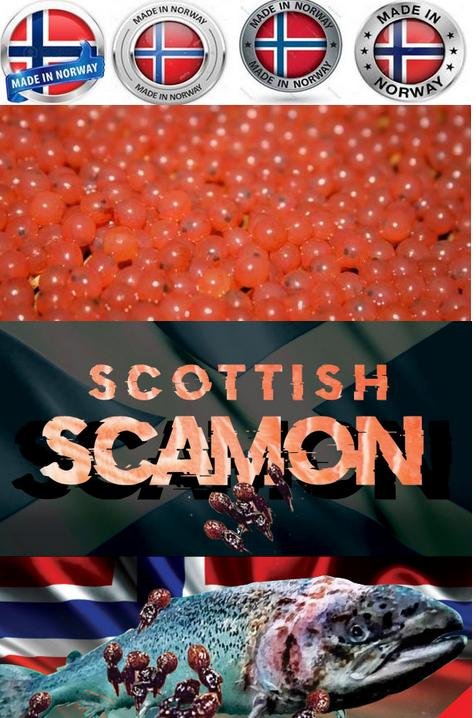
Last month Scottish Salmon Watch revealed that imports of salmon eggs (ova) into Scottish salmon farms may have restarted following a ban in May 2019 due to Infectious Salmon Anaemia (ISA). Now the European Free Trade Association has finally disclosed some documents via Freedom of Information but refused many more citing commercial confidentiality.
FOI documents disclosed @EFTAsecretariat reveal damning failures, delays & insufficient control of Infectious Salmon Anaemia in salmon farms @InfoMattilsynet @fiskeridir @IntraFishNorge @fiskeribladet @Fiskeoppdrett @undercur @Salmon_Business @GAA_Advocate @FergusEwingMSP #Norway pic.twitter.com/Zfy53HnnXX
— Don Staniford (@TheGAAIA) July 5, 2020
"Commercially sensitive information relating to a business operating in the fish farming industry in Norway" withheld @EFTAsecretariat "Protection of commercial interests" trumps the environment! @InfoMattilsynet @fiskeridir https://t.co/wUFl3P5O1j @Fiskeoppdrett @IntraFishNorge pic.twitter.com/B2KsoWoEXT
— Don Staniford (@TheGAAIA) July 8, 2020
From: Nielsen, Jonas <Jonas.Nielsen@eftasurv.int>
Date: Fri, Jul 3, 2020 at 3:25 PM
Subject: Confirmatory Decision of the EFTA Surveillance Authority regarding documents in Case 83033
To: salmonfarmingkills@gmail.com <salmonfarmingkills@gmail.com>
Dear Mr. Staniford,
A decision has now been taken on your confirmatory application of 5 May 2020.
Attached to this email you will find a pdf containing a scanned copy of:
- Delegated College Decision 075/20/COL of 3 July 2020
- Annex: the reasoned reply to your confirmatory application (Doc No 1136677)
- Annex: list of documents (Doc No 1141423)
We are happy to provide you with the physical original of the decision and its annexes. If you would like the physical original sent to you, please provide us with a postal address.
From the decision, you will see that ESA has released four more documents from the case. You can find these documents in our public document database by clicking the following links:
Kind regards,
Jonas Nielsen
Assistant
Legal and Executive Affairs
+32 2 286 18 31
Jonas.Nielsen@eftasurv.int
www.eftasurv.int
- Iceland Slaughters ISA-Infected Salmon – is Scotland next in the firing line?
- ISA hits Scottish Sea Farms owner SalMar in Norway – how many hidden cases are lurking on salmon farms in Scotland?
- Letter to Scottish Ministers calling for a ban on ova imports from Iceland
- Revealed: Infectious Salmon Anaemia Lurking in Scottish Salmon
- Scottish Ministers with Egg on Their Faces – is it game ova for imports of salmon eggs from Iceland & Norway?
- Scottish Scamon Eggsposé: The Foreign Companies Importing Over 320 Million Salmon Eggs (Ova) Into 'Scottish' Fish Farms Since 2016!
- Press Statement: Ban All Ova Imports to Protect 'Scottish' Salmon!
- ISA in Iceland – will Scotland ban ova imports to prevent disease risks as with Norway?
- Mowi fined for breaching ISA laws in Norway – is ISA lurking at Mowi salmon farms in Scotland?
- Top story on Intrafish reports on ISA at Scottish Sea Farms!
- Salmon Farming is Like the Black Death Plague!
- Mowi's Mortality Nigthmare – Farmed Salmon is Dead in the Water!
- "Activist challenged over claim about fish virus" (Fish Farming Expert)
- Breaking News: ISA reported at RSPCA Assured Scottish Sea Farms on the Isle of Mull
- Damning Disease Report for RSPCA Assured Scottish Sea Farms in Loch Spelve
- Letter to Scottish Ministers re. ISA in Scottish Salmon
- Media Backgrounder: Scottish Salmon’s Recurring ISA Nightmare
- Media Backgrounder: Norway’s Infectious Salmon Aquacalypse – Going Global Since 1984!
- Norway's Infectious Salmon "Horror Show" Secretly Playing Now In Scotland?
- Norwegian Salmon Egg Exports Banned Due to Disease Risks
Laxar slaughter all fish in a farming area in Reyðarfjörður due to Infectious Salmon Anaemia @RUVfrettir https://t.co/QoPxw85BEa
Were infected salmon eggs (ova) @WeAreBenchmark the source of ISA? Will Scotland block shipments of ova from Iceland? @marinescotland @ScotGovNetZero— Don Staniford (@TheGAAIA) December 14, 2021