A vote later today by the European Parliament's Environment Committee may severely impede the passage for the regulatory approval of Imidacloprid – dubbed the 'Novichok for insects' – or even leave it dead in the water @WeAreBenchmark @FerdOwner https://t.co/FnsWTQ4Xw8 #BMK08 pic.twitter.com/PbJHYNxuPh
— Don Staniford (@TheGAAIA) May 28, 2021
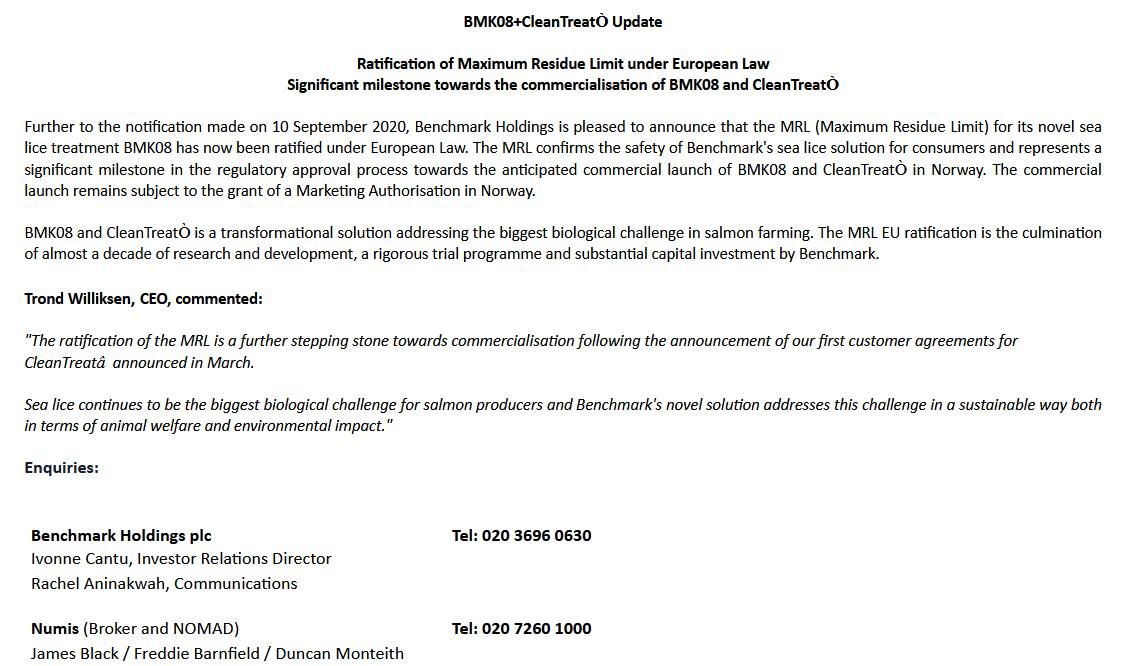
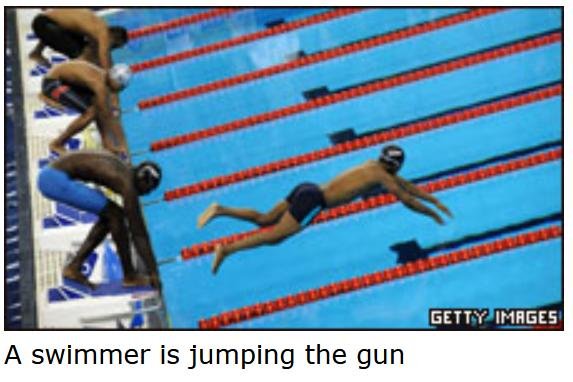
Have Norwegian-owned Benchmark – the company behind a plan to unleash the banned neonicotinoid Imidacloprid (BMK08) in salmon farming – jumped the gun in claiming that an MRL (Maximum Residue Limit) for Imidacloprid in farmed salmon has been "ratified by EU law"? A vote later today by the European Parliament's Environment Committee may severely impede the passage for the regulatory approval of Imidacloprid or even leave it dead in the water.
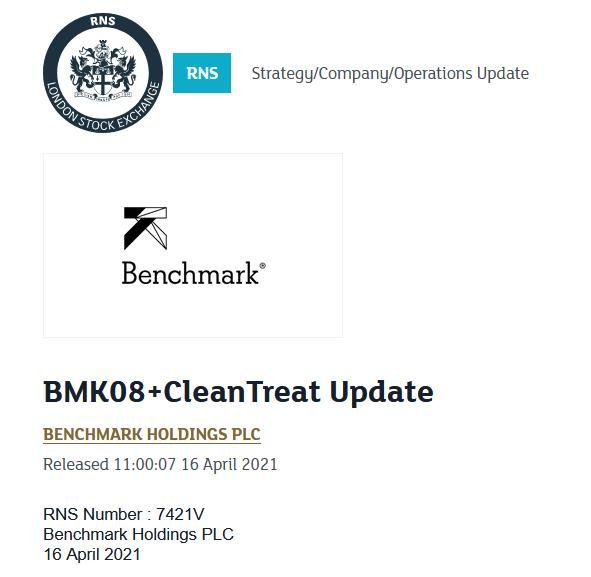
Last month (16 April 2021), Benchmark reported via a press release published by the London Stock Exchange:
Fish Farming Expert dutifully reported (16 April 2021):
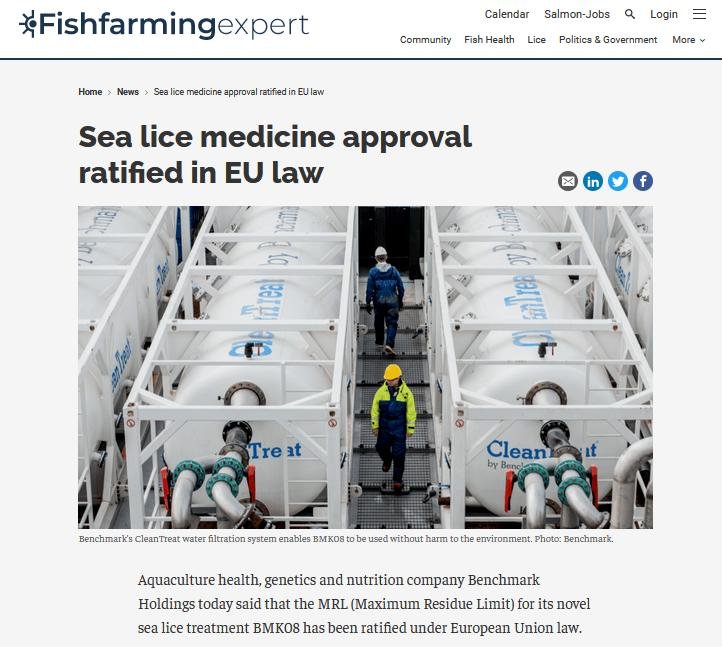
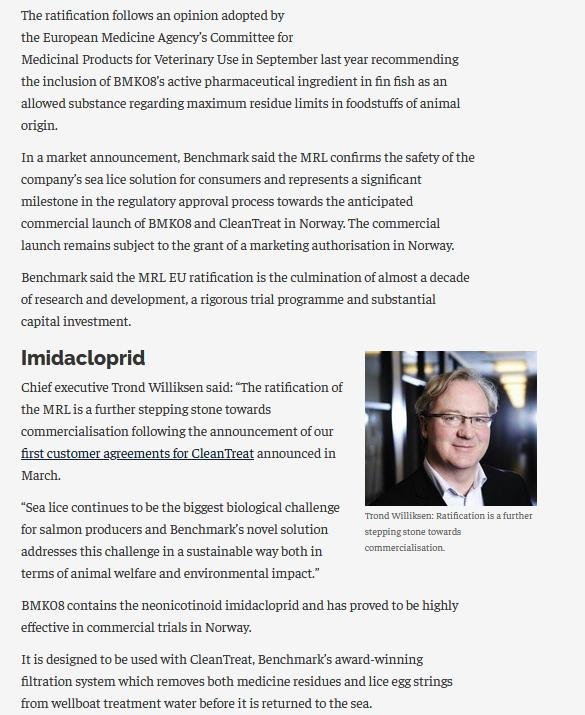
Yesterday (27 May 2021), an article published in The Guardian dubbed Imidacloprid as "Novichok for insects".
"It’s like the wild west" said @DaveGoulson "These chemicals are incredibly poisonous – the novichok for insects. It takes a billionth of a gram to harm aquatic life, so even tiny traces would have major impacts on marine life" @guardian @WeAreBenchmark https://t.co/OzouYaXCEk
— Don Staniford (@TheGAAIA) May 27, 2021
Significantly, The Guardian article cited opposition led by the European Greens to the setting of an MRL for Imidacloprid in farmed salmon:
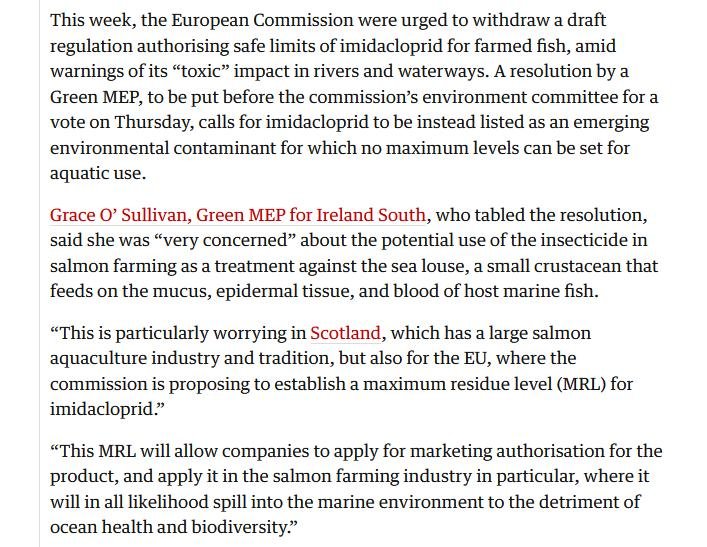
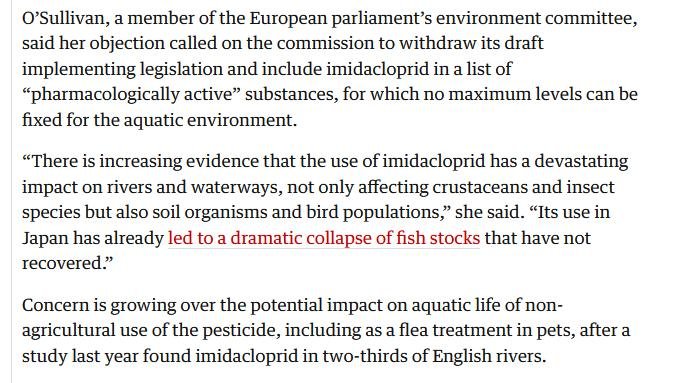
The opposition motion dated yesterday (27 May 2021) – and voted on later today not yesterday as reported in The Guardian – is spearheaded by Grace O'Sullivan MEP. The resolution calls on the Commission to: Repeal the Implementing Regulation and submit a new draft to the committee and include imidacloprid in the list set out in Annex IV for which no maximum levels can be fixed for aquatic use; Ensure consistency with the Transparency Regulation where the risk assessment is undertaken by agencies other than EFSA; Calls for time-cumulative, peer reviewed eco-toxicological testing for non-target species and a Revision 2001/82/EC vis-à-vis the protection of biodiversity, protecting the aquatic environment, taking account of animal welfare and non-target organisms and microorganisms; To undertake a fitness check of the risk assessment process to establish MRLs for vet meds in foodstuffs of animal origin:
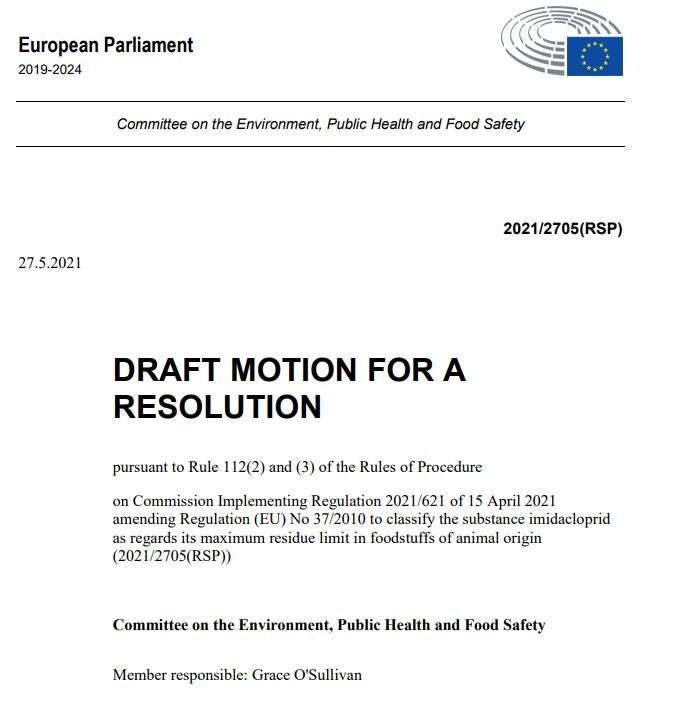
The opposition motion includes:
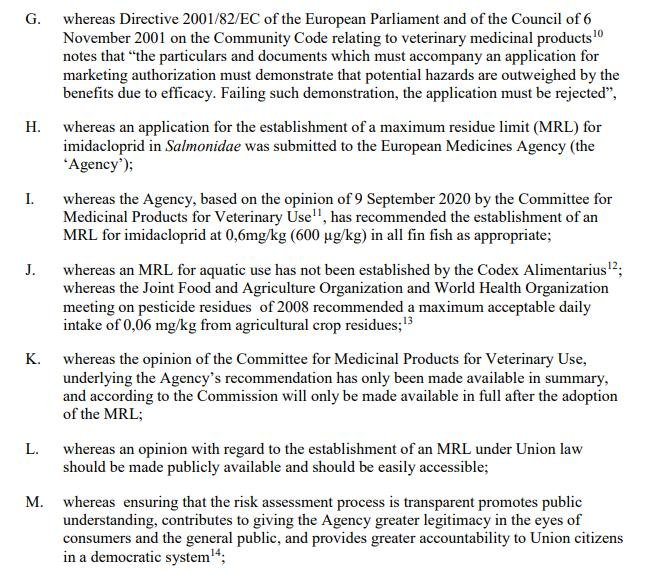
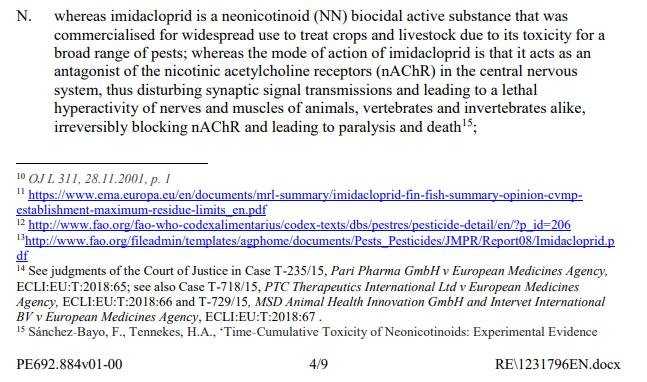
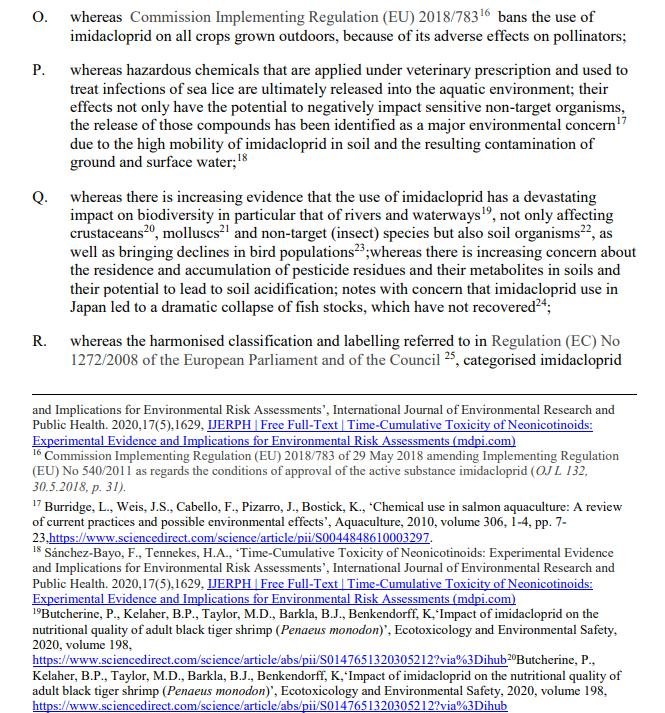
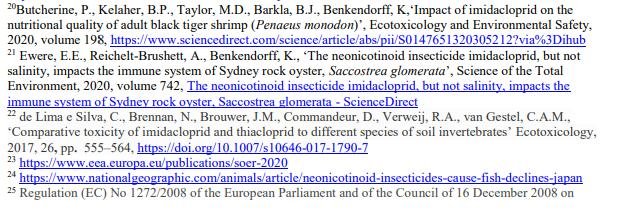
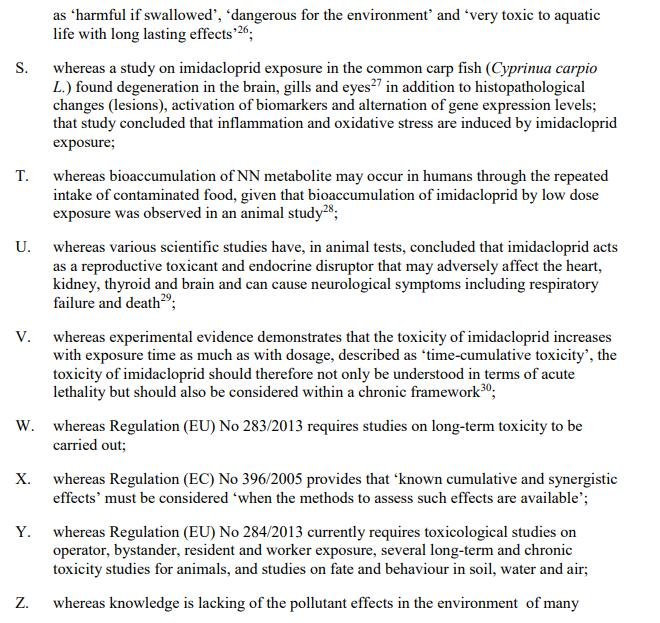

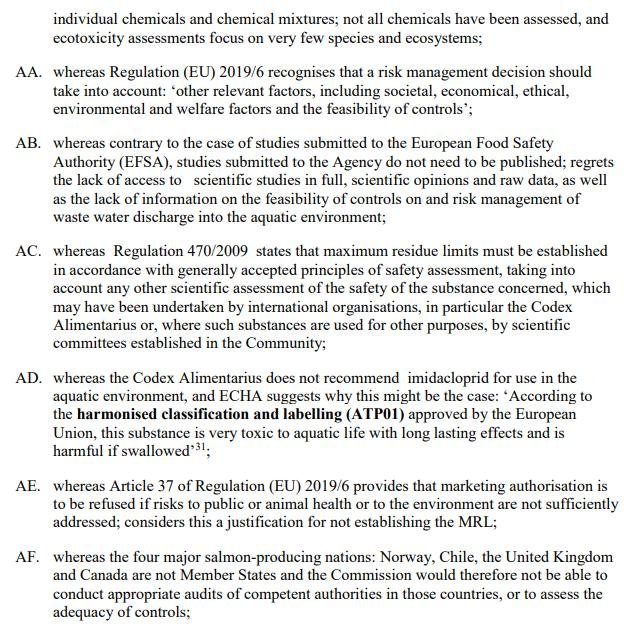
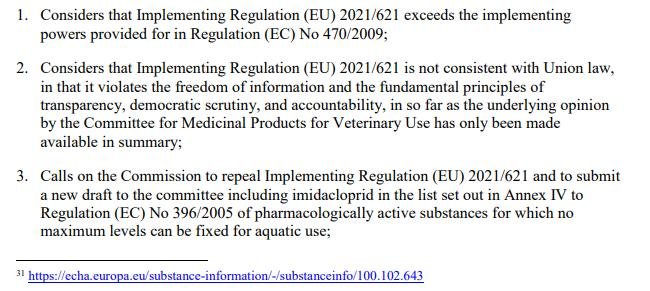
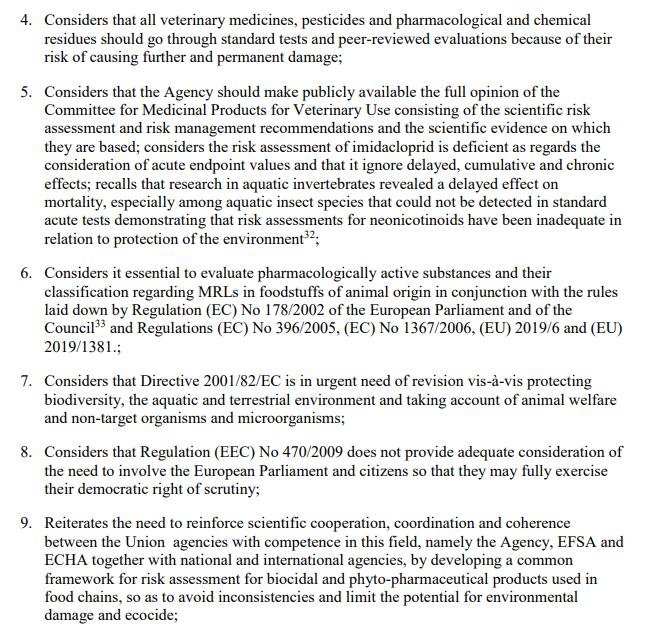
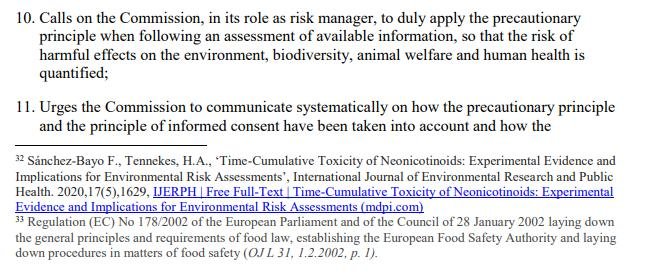
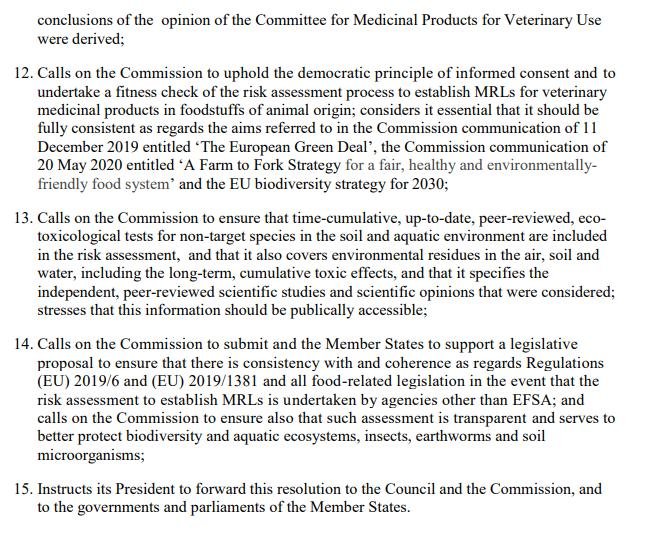
Download the opposition motion in full online here
European Greens oppose use of the banned neonicotinoid Imidacloprid (BMK08) in salmon farming @WeAreBenchmark @FerdOwner
"Environmental damage & Ecocide" cited in scientific opposition to a toxic chemical dubbed 'Novichok for insects' @DaveGoulson @ZoeZebedee @GraceOSllvn pic.twitter.com/1VwlGBZ27E— Don Staniford (@TheGAAIA) May 28, 2021
The turbid political waters of toxic chemicals and European licensing – as well as the secrecy surrounding Benchmark's BMK08 – does not make it easy to see what's going on here.

Zoe Dingwall, policy advisor for Environment, Public Health & Food Safety, at the European Greens told Scottish Salmon Watch earlier this week:
"Europe has some of the highest food standards in the world. Maximum Residue Levels are set into EU law max permitted safe levels of chemical residues that are in our food chains food such as pesticides or herbicides sprayed into crops. The new transparency regulation (EU) 2019/1381 is all about promoting transparency in food chain risk assessments which is usually conducted by the European Food Standards Agency (EFSA) however on a few rare occasions, when the chemical residues are related to Veterinary medicine, the risk assessment is conducted by the Committee on Veterinary Medicinal Products (CVMP) which is part of the European Medicines Agency.
Legislation in the EU can be established in a number of ways and usually the European Parliament has a 'veto right' (right to scrutinise and to object). However, veterinary medicines risk assessment for a Maximimum Residue Level (MRL) is established by way of an 'Implementing Act' where the European Parliament has no veto right. In 2018 EFSA banned the use of imidacloprid outdoors use on crops due to it known toxicity to bees.
However imidacloprid is still permitted to be used as a common pet flea treatment for cats and dogs. Because it is already has been permitted to be used as a veterinary medicine, it only requires an application from the interested party (probably a representative of Cleantreat) to submit an application to the EMA and make their representations. We do not know what these representations are or the scientific studies on which the authorisation to grant the MRL for use in fin fish as our requests for this information was denied – this is completely unacceptable to the European Parliament
Furthermore as the four major salmon producing countries are non-EU Member States it will be impossible for the EU to assess the adequacy of controls
Greens/EFA group tabled a motion for resolution calling for the full scientific opinion and the studies that it was based on to be made available. We also point out that scientific studies need to be independent, peer-reviewed, time-cumulative (long term) to properly assess the impact of these chemical on the environment, animal welfare and biodiversity. The nine page document lists the inconsistencies with EU law as well as including scientific studies that conclude that imidaclopid should not be used in the aquatic environment due to its toxicity to non-target organisms. who have a democratic right and the rights of European citizens to know what chemical substances are being used in the food that they consume.
Other inconsistencies outlined in the resolution relate to the significant amount of EU law relating to the risk assessment process for pesticides (used on crops) and minimum requirements including potentially harmful effects of chemical substances on groundwater, soil health and non-target species including micro-organisms that lives in water and the soil. We also question how the the European Chemicals Agency classifies imidacloprid as "toxic to aquatic life" and "harmful if swallowed" but the EMA is quite happy to authorise it's use in the aquatic environment – it does not seem very consistent or convincing!
We are calling on the European Commission to repeal the implementing act and include imidacloprid as a substance that should never be used in the aquatic environment. The vote will be held in the European Parliament's Committee for the Environment, public health and food safety and if adopted in Committee (this Friday) it will be put in front of the European Parliament to be formally adopted as its position on this matter."
Benchmark's lobbyists in Brussels will certainly be watching today's Committee for the Environment in the European Parliament with interest. If the vote goes against Imidacloprid, the implementing act may be repealed and the European Commission may update the risk assessment process for all veterinary medicine especially when these are used in the food chain. Benchmark's claim that it had been "ratified by EU law" is clearly misleading because it implies that the European Parliament has already endorsed the setting of the MRL when clearly that is not the case.
The European Greens argue that it's not acceptable to assess such a controversial substance in such an intransparent manner especially considering the aims of the Transparency Regulation. The resolution highlights a major inconsistency with the new Transparency Regulation (2019/1381) in that it doesn't cover foodstuffs of animal origin (when the pesticide residue is a veterinary medicine assessed by the EMA and that it is inconsistent with Union Law and with the ECHA assessment report that categorises imidacloprid is "dangerous for the environment" and "very toxic to aquatic life".
There is growing scientific opposition to the use of Imidicloprid in both terrestrial agriculture and salmon farming. Francisco Sánchez-Bayo, an environmental scientist and ecologist at the University of Sydney, said:
"Imidacloprid is extremely toxic to invertebrates by acute and chronic exposure, and therefore makes no sense at all to use it in the aquatic environment, where organisms are exposed continuously to residues, no matter how low they may be. The claim that imidacloprid would not enter the aquatic environment upon release of the salmon is fallacious. Due to the mobility of this chemical in water, it is practically impossible to avoid contamination of the receiving waters. Even tiny residues below 1 ppb can deplete populations of aquatic insects! For this reason, I cannot understand the need for using a product that contains imidacloprid for salmon farming. There are other chemicals used for disinfecting fish that cause less harm to the aquatic environment than imidacloprid, so why should anyone insist in using the worst chemical in the market for such a purpose?"

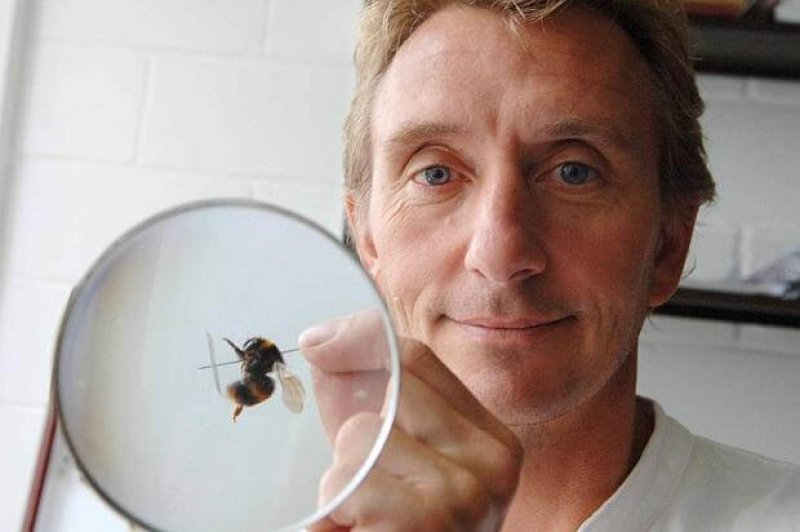
Professor Dave Goulson from the University of Sussex (author of 'A Sting in the Tail' and the forthcoming book 'Silent Earth') said:
"Imidacloprid has been banned from use by farmers because of the widespread environmental harm it caused, which included impacting on freshwater insects. It would be the height of foolishness to start using this potent, broad-spectrum neurotoxin in salmon farming. This proposed CleanTreat® system claims to entirely remove Imidacloprid from the water returned to the sea, but this clearly needs to be tested by an independent laboratory. Imidacloprid is extremely toxic to a broad range of invertebrates, with concentrations of less than 1 part per billion enough to harm aquatic life, so even tiny traces would have major impacts on marine life."
Read more via:
British Wildlife: "Neonics in Salmon Farming – Alarm Bells Are Ringing"
Further scientific opposition to Imidacloprid use in salmon farming
Scientific opposition to Neonicotinoid use in salmon farming
Backgrounder: "Imidacloprid – A Neonicotinoid Insecticide Toxic to Aquatic Life"
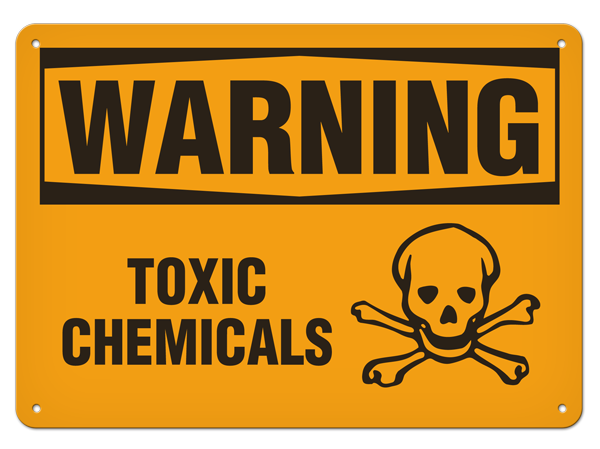
Reuters reported earlier this month (6 May 2021):

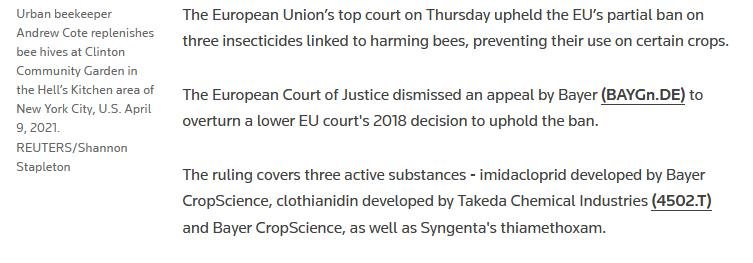
Fish Farming Expert reported in September 2020:
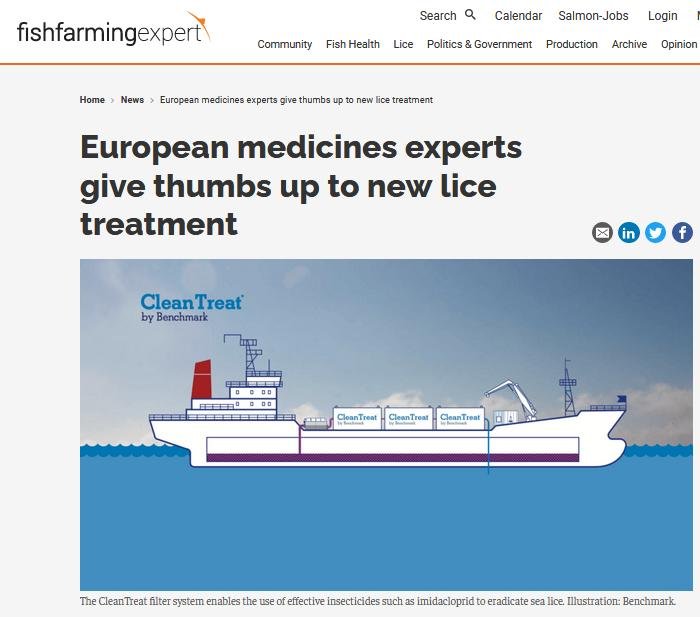
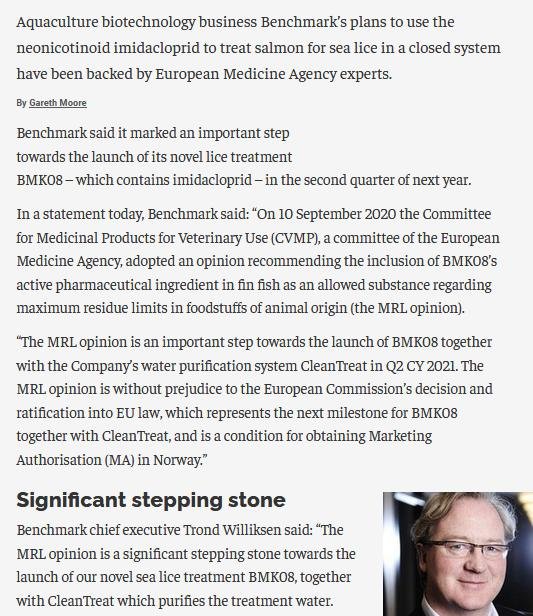
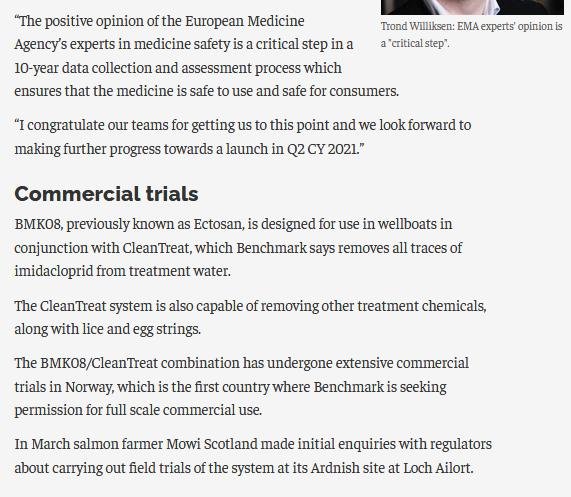
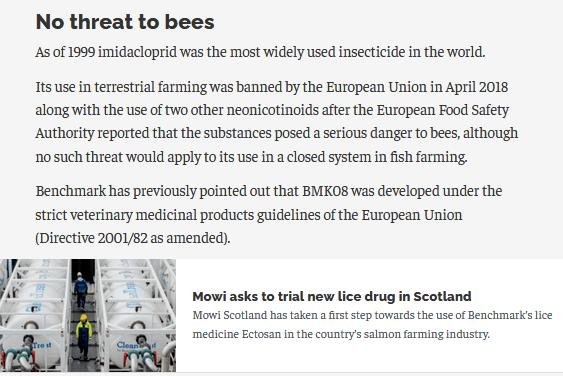
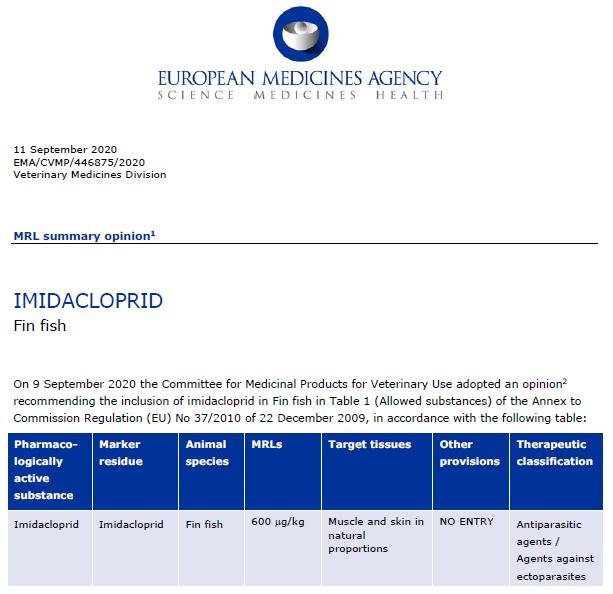
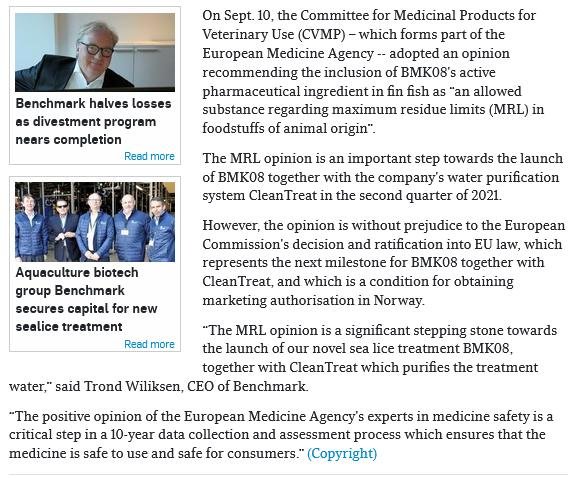
Here's the EMA statement (11 September 2020):

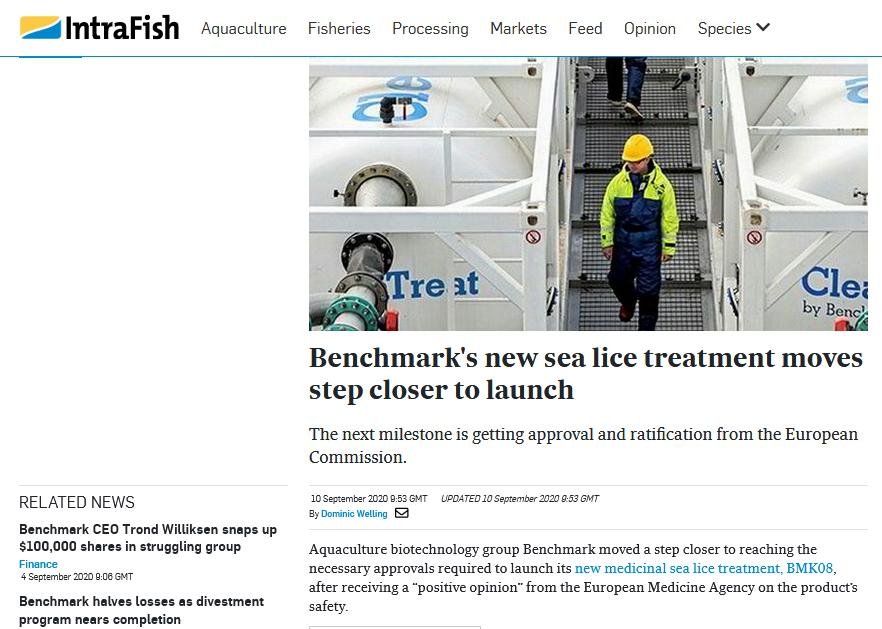
Intrafish reported (10 September 2020):
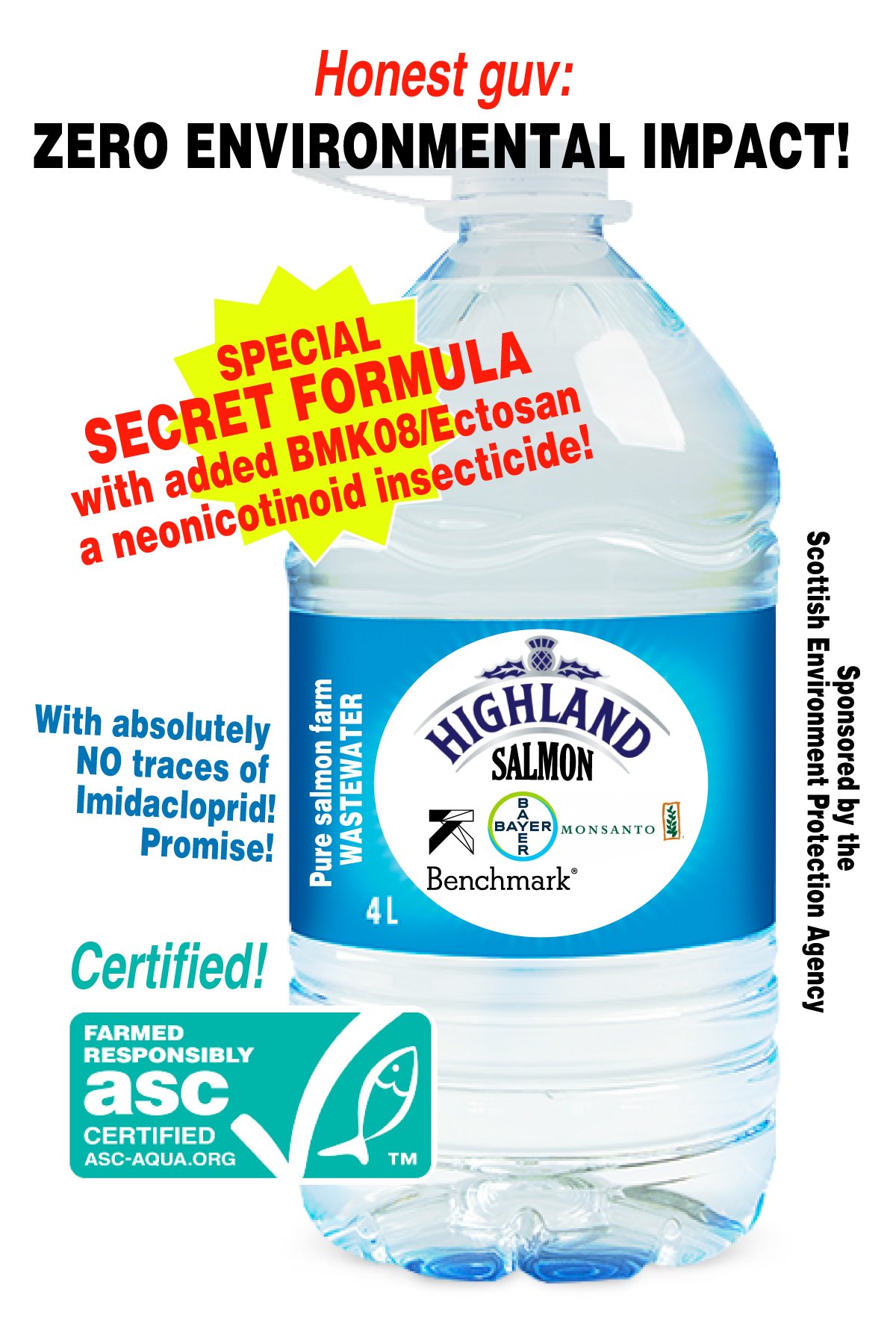
Despite growing scientific opposition to the use of Imidacloprid in salmon farming, it seems the Aquaculture Stewardship Council is happy to open the floodgates to Imidacloprid.
How is the ASC getting on with approving ‘Novichok for insects’ (Imidacloprid) for use in "environmentally friendly" salmon pharming? @ASC_aqua https://t.co/mJ8BIjMG8V @WeAreBenchmark @Bayer @ScotlandMowi
Pure ASC-certified salmon marinaded in neonicotinoid! #BMK08 #Benchmark pic.twitter.com/aMYgVdEOVC— Don Staniford (@TheGAAIA) May 27, 2021
Read more via:
- The Guardian: "‘Novichok for insects’ may be approved for Scottish fish farms"
- Who are the toxic team lurking behind Benchmark's BMK08 (Imidacloprid) in Scottish salmon pharming?
- The Ferret: "Bee-killing pesticide treatment for fish farms backed by Scottish Government"
- Cleaning Tox-Sick Scottish Salmon – Benchmark's magic trick making the banned neonicotinoid Imidacloprid disappear!
- Rumsfeldian Fish Philosophy – Things We Know We Know, Things We Now Know We Don't Know & Things We Don't Know We Don't Know About 'Scottish' Salmon!
- SEPA ordered by Commissioner to Disclose 'Commercially Confidential' Information on CleanTreat & BMK08 (Imidacloprid) by 7 June
- Warning: Neonicotinoid Imidacloprid Use in Salmon Farming "Clears Another Hurdle" With European MRL
- Warning: Imidacloprid Moves A Step Closer to Commercial Use in Salmon Farming
- Nasty Neonicotinoid Plagues Salmon Farming in 2021
- Toxic Neonicotinoid "Close to Commercial Launch" in Salmon Farming!
- New Science Dogs Approval of Neonicotinoid Imidacloprid for Scottish Salmon!
- Imidacloprid Use in Scottish Salmon Farming?
- Secret Salmon – On the Trail of Imidacloprid Use in Scotland!
- British Wildlife: "Neonics in Salmon Farming – Alarm Bells Are Ringing"
- Caveat Chile – toxic neonicotinoid Imidacloprid (BMK08) coming soon!
- Toxic Politics – Meet the Scottish Government's Minister for Sinister Chemicals
- Imidacloprid Licensed for Use by Mowi in Loch Ailort?
- Further Scientific Opposition to Imidacloprid Use in Salmon Farming
- Patent lifts lid on neonicotinoid use in salmon farming
- Horrible History: Imidacloprid Use in Salmon Farming
- Scientific Opposition to Neonicotinoid Use in Salmon Farming
- Backgrounder: "Imidacloprid – A Neonicotinoid Insecticide Toxic to Aquatic Life"
- BBC Farming Today on "Neonicotinoids in Salmon Farming"
- Sunday Times: "Outlawed insecticide may be used on Scottish salmon"
- FOI letter on Scientific Concerns re. Imidacloprid Use in Scottish Salmon Farming
- Scottish Greens "Deeply Concerned" at Mowi's Field Trial of Neonicotinoid Imidacloprid in Loch Ailort
- Letter to the Prince of Wales re. bee-killing Imidacloprid use at royal warrant holder Mowi
- Secret Trials: 'Royal' Salmon Doused with Bee-Killing Insecticide Imidacloprid?
- Follow the Salmoney – the Norwegian tobacco billionaire behind the Neonicotinoid Imidacloprid
- ENDS Report: "Calls for greater transparency over ‘toxic’ new fish farm product"
- Letter to SEPA: Please Come Clean on Imidacloprid!
- Letter to Scottish Ministers, SEPA & the VMD re. Imidacloprid
- FOI requests on Imidacloprid to SEPA, VMD & the Scottish Government
- Revealed: Toxic Neonicotinoid Insecticide Used to 'CleanTreat' Lousy Salmon
- Please Come Clean on BMK08!
- Sunday Times: "Official fears revealed over toxic threat of salmon trade"
- Cleaning Tox-Sick Scottish Salmon
- CleanTreat FOI Disclosures by the Scottish Government to Scottish Salmon Watch
- Media Backgrounder: Chemically Embalmed Scottish Salmon
- All is Not Well With Sick Scottish Salmon
Benchmark: "We are currently focused on launching our new sea-lice solution, BMK08 [the banned neonicotinoid Imidacloprid] in Norway" @WeAreBenchmark https://t.co/OzouYbfdvS
Which farms are using Imidacloprid? @LeroySeafood @seafoodnorway @fiskeridir @FerdOwner @Folketrygdfond— Don Staniford (@TheGAAIA) May 27, 2021