FishyLeaks today (8 January 2013) published leaked
internal
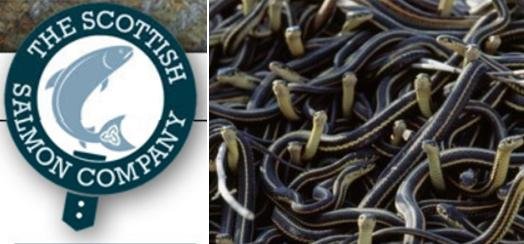
e-mails from a whistleblower inside the Scottish Salmon Company – the company who kicked the viper's nest.
The leaked
e-mails reveal the utter contempt foreign-owned salmon farming companies have for local
communities in the Western Isles of Scotland. “Let the locals get used to it” is the privately
held view of a company publicly listed
on the Norwegian Stock Exchange, registered
in Jersey and owned
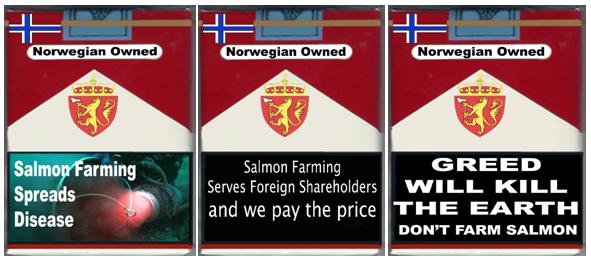
by a who’s who of Swiss and Norwegian banks and investors (over 85% of Scottish
salmon farming production is now controlled by foreign – mostly Norwegian –
interests exported to overseas markets such as China).
One
community on the Isle of Harris in the Outer Hebrides is disparaged by the
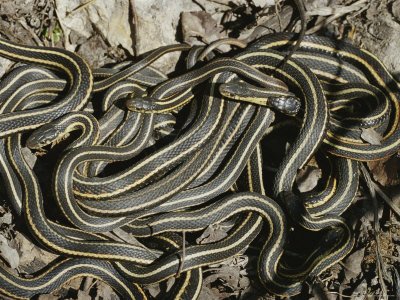
Scottish Salmon Company’s ‘Environmental Manager’ Rebecca Dean as a “vipers
nest” despite a company policy
which advocates “building strong relationships with
the community”.
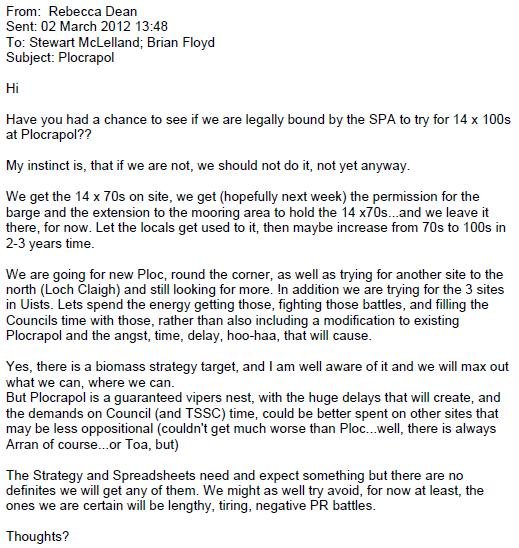
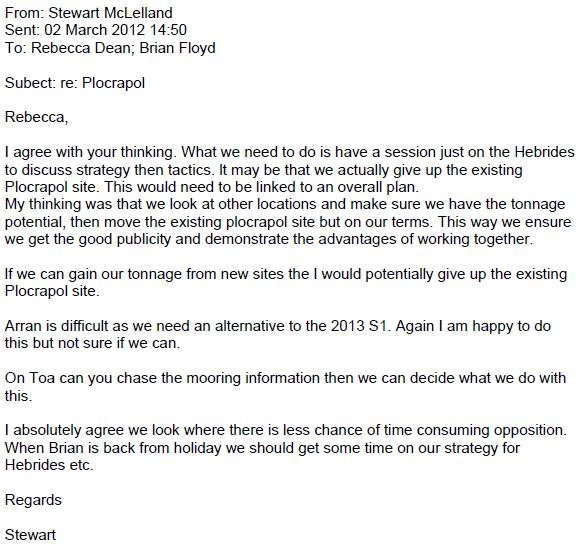
“Yes,
there is a biomass strategy target, and I am well aware of it and we will max
out what we can, where we can,” writes
Rebecca Dean. “But Plocrapol is a
guaranteed vipers nest, with the huge delays that will create, and the demands
on Council (and The Scottish Salmon Company) time, could be better spent on
other sites that may be less oppositional (couldn't get much worse than Ploc…well,
there is always Arran of course…or Toa, but).”
"Let’s
spend the energy fighting those battles, and filling the Council’s time,” writes
the Scottish Salmon Company’s ‘Environmental Manager’ who recommends focussing
on expansion in the Uists. “We might as
well try avoid, for now at least, the ones we are certain will be lengthy,
tiring, negative PR battles.”
“I
absolutely agree we look where there is less chance of time consuming
opposition,” replies
the Scottish Salmon Company’s CEO Stewart
McLelland who admits expansion at their disease-ridden
Isle of Arran farm at Lamlash
Bay is “difficult”. “This way we ensure
we get the good publicity and demonstrate the advantages of working together,”
he writes. “What we need to do is have a session just on
the Hebrides to discuss strategy then tactics.”
With
these leaked
internal documents published via FishyLeaks and the prospect
of further revelations, the Scottish Salmon Company’s policy of avoiding what
it refers to as “angst” and “hoo-haa” has now come back to bite it on the
corporate ass.
“The
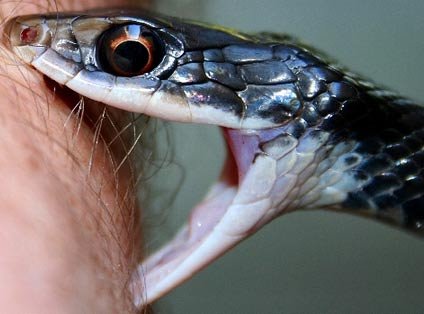
Scottish Salmon Company is a venomous snake in the grass,” said Don Staniford
of the Global Aquaculture
Alliance Against Industrial Aquaculture who received the leaked documents
anonymously in the mail. “Thanks to this
brave whistleblower the Scottish public can now see the poisonous bile being
spewed by this shameless Swiss/Norwegian-owned company. Local communities across the Highlands and
Islands are now fighting back against the deadly diseases and PR poison being
peddled by the foreign-owned salmon farming companies choking the lifeblood out
of the Scottish coast.”

“Don’t be fooled by the oily handshakes of corporate Fish
Farming PR,” urged
the Outer Hebrides Against Fish
Farms in November 2012. “Get the
facts from independent sources…but remember a lot of the facts that shame this
industry are hidden behind government supported nets of secrecy.”
Community
opposition to the Scottish Salmon Company is growing across Scotland. On the Isle
of Lewis and Isle of Harris, the
campaign group Outer Hebrides Against
Fish Farms is fighting expansion plans by the Scottish
Salmon Company.
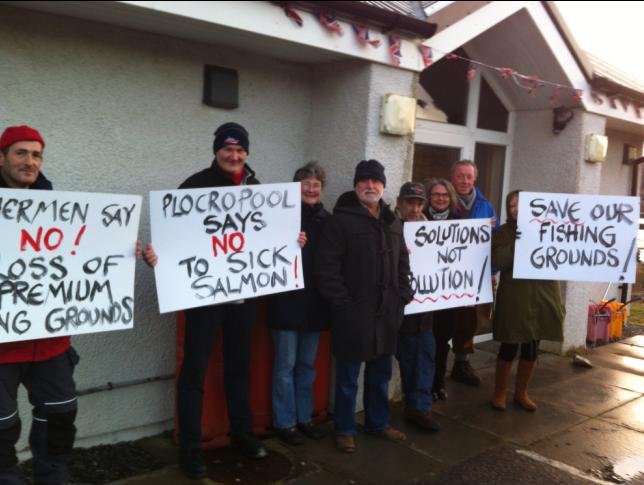
Photo: Protestors
outside Bays Community Centre, Harris, in December
2012
“Stewart McLelland’s Trump-like rant in last week’s
Gazette was wholly inaccurate, and it is very worrying that the CEO of a
company with such grave responsibility for the stewardship of the environment
should refuse to address a single point of fact we raised in our press release,”
wrote
Peter Urpeth of the Outer Hebrides Against Fish Farms
in a letter published in the Stornoway Gazette (6 December 2012). “His company signs up to a code of guidance on good
practice in farm fish production, established by the industry itself, and does
so in order to secure planning permission for new sites. But that code of
guidance is both ineffective and, due to such factors as the rapid spread of
disease and the ineffectiveness of treatments for infestations, impossible for
fish farmers to implement – let alone the times when it is simply not followed,
as our figures revealed.”
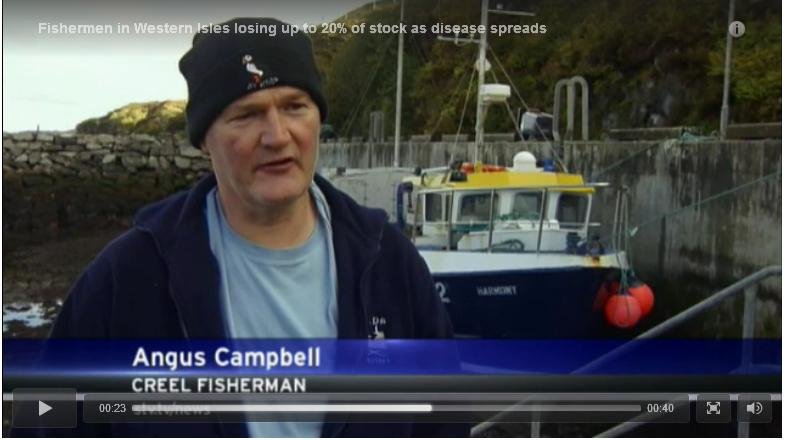
“Last week we saw a load of 26 tonnes heading down to
Uist to get buried,” said Harris fisherman Angus Campbell in an interview with STV
News (11 October 2012). “It’s just
incredible the amount of dead fish coming out of these sites.”
Watch
video reports via “Salmon
Farms Displace Fishermen in Scotland” and “Future
of Fishing Compromised by Fish Farms”
Read more via FishyLeaks and the media backgrounder online here
Read more revelations from the whistleblower inside the Scottish Salmon Company online here and online here