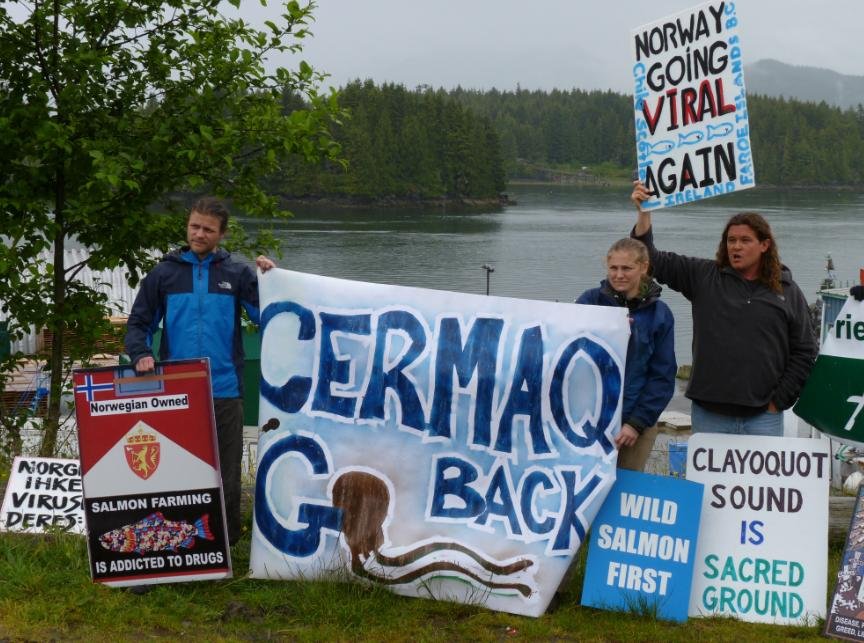
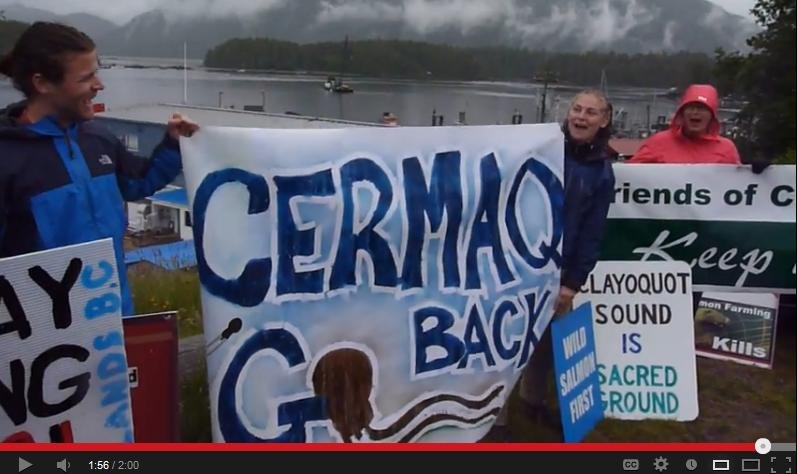
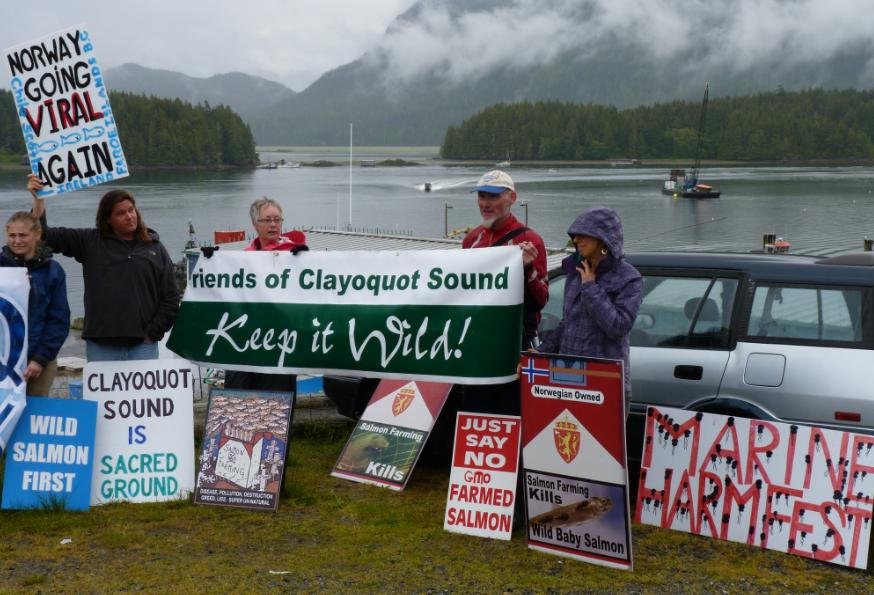
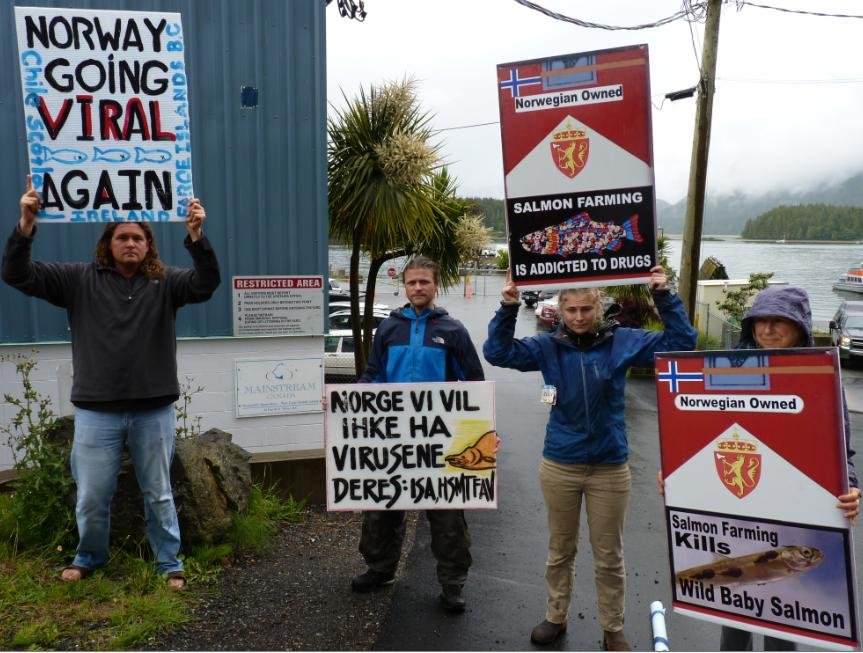
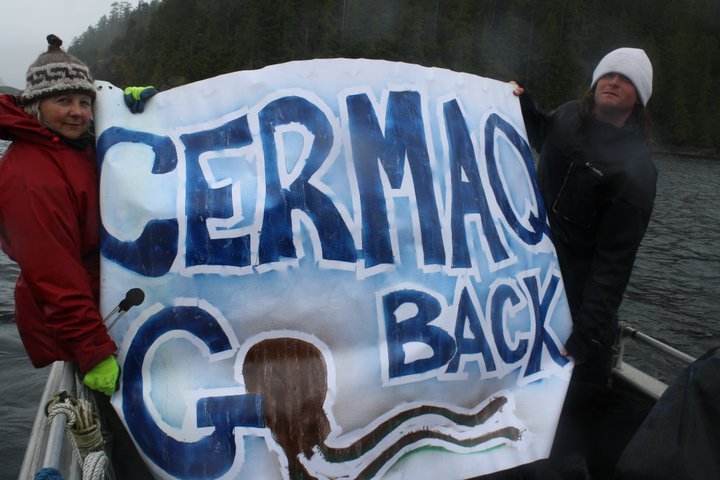
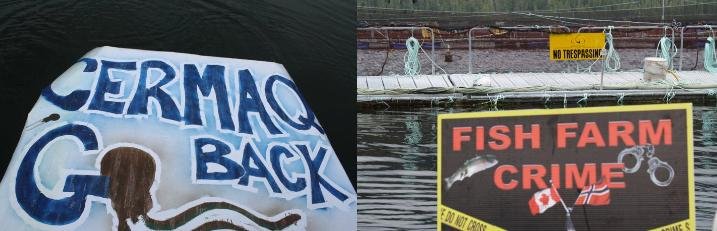
"Cermaq Go Back, Cermaq Go Back, Cermaq Go Back" was the defiant chant from Friends of Clayoquot Sound as they gathered outside Cermaq's processing plant in Tofino (12 June).
"We're really concerned about the spread of viruses," said Emery Hartley, the new campaigner for Friends of Clayoquot Sound. "But we're also concerned about the chemicals they're releasing into the environment, the way water flushes any toxins from the fish farms straight into the surrounding environment and the way salmon farming is affecting the entire ecology of what should be a pristine marine ecosystem."
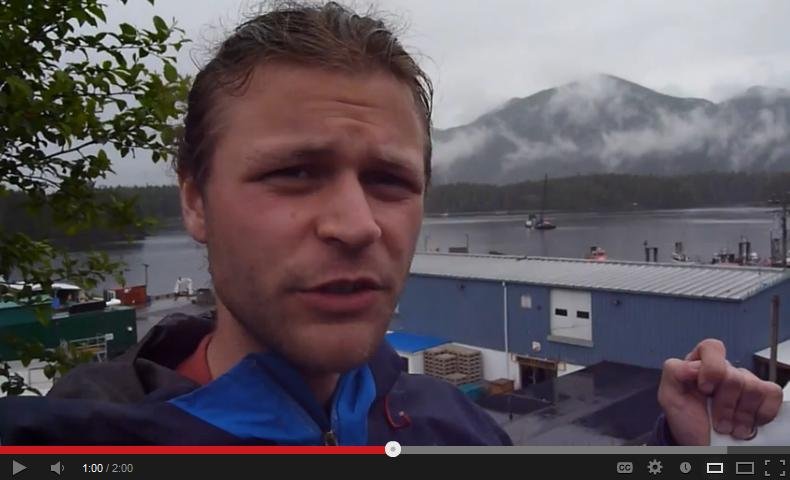
Watch a video report online via: "Cermaq Go Back (to Norway)!"
"We know Creative Salmon is infected with ISA and HSMI through the testimony at the Cohen Commission of Dr. Kristi Miller and it's probable that this company here (Cermaq/Mainstream) imported these non-Pacific, alien, Norwegian viruses to Clayoquot Sound" said Don Staniford speaking outside Cermaq's processing plant in Tofino.
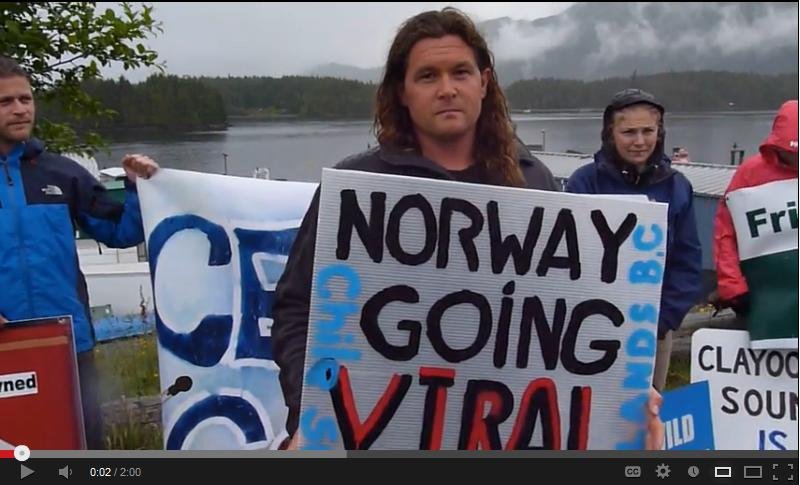
Watch a video report via "Biosecurity is a Bad Joke in Clayoquot Sound"
Creative Salmon were asked last night in an email: "Will
Creative Salmon be suing Cermaq for introducing ISA and PRV/HSMI into Clayoquot
Sound?"
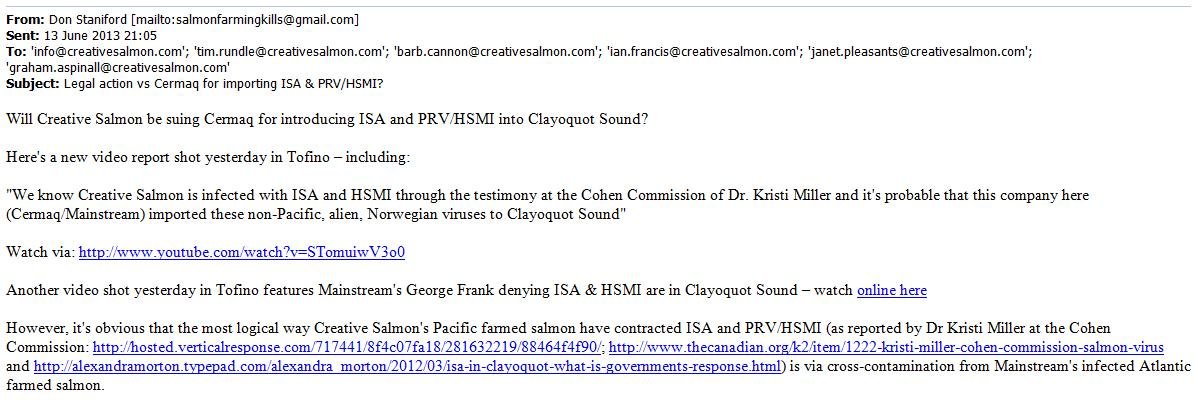
According to Cermaq, neither Infectious Salmon Anaemia (ISA) nor Heart & Skeletal Muscle Inflammation (HSMI) are present in Clayoquot Sound despite testimony by DFO's Dr. Kristi Miller at the Cohen Commission that both viruses have been reported at Creative Salmon's operations in Clayoquot Sound.
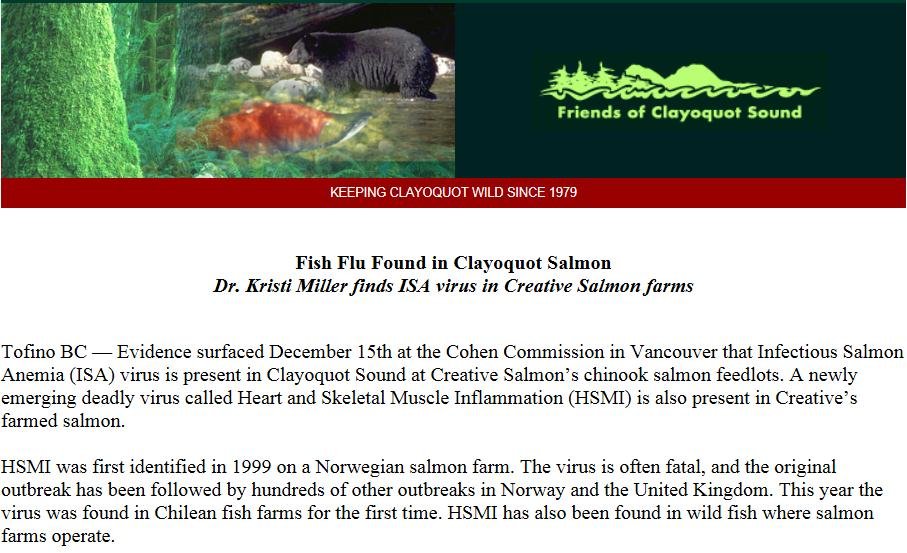
Read more via "Fish Flu Found in Clayoquot Salmon: Dr. Kristi Miller finds ISA virus in Creative Salmon farms" and "Clayoquot Under Virus Attack"
George Frank, Mainstream Canada's 'Best Management Practices Technician' and liaison officer for Ahousaht First Nation, earlier this week (12 June) in a confrontation outside Cermaq's processing plant in Tofino claimed: "It's all in wild stock as well, not just farmed salmon. You all know the viruses are in your local salmon – sockeye, chinook, coho".
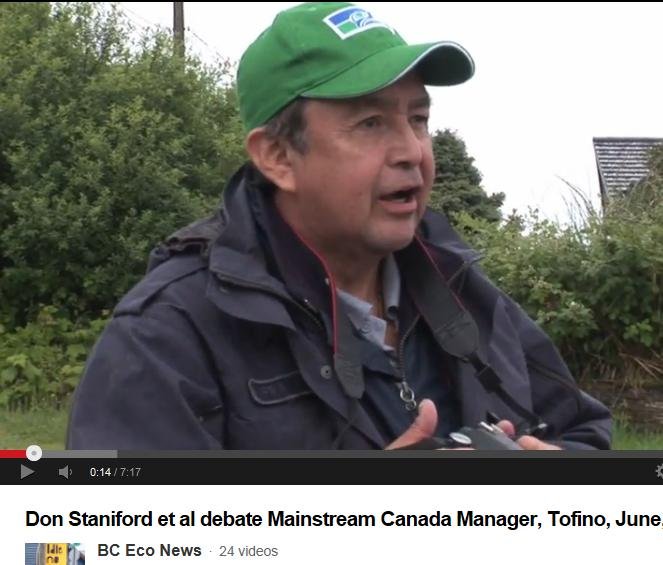
"Have they always been there even back when we had runs in the tens and hundreds of thousands?" responded Greg Blanchette of Friends of Clayoquot Sound.
"Yes, they've always been there," replied Cermaq's George Frank. "It's all out there in the ocean – you can see it in the ocean. Salmon travel all over the world."
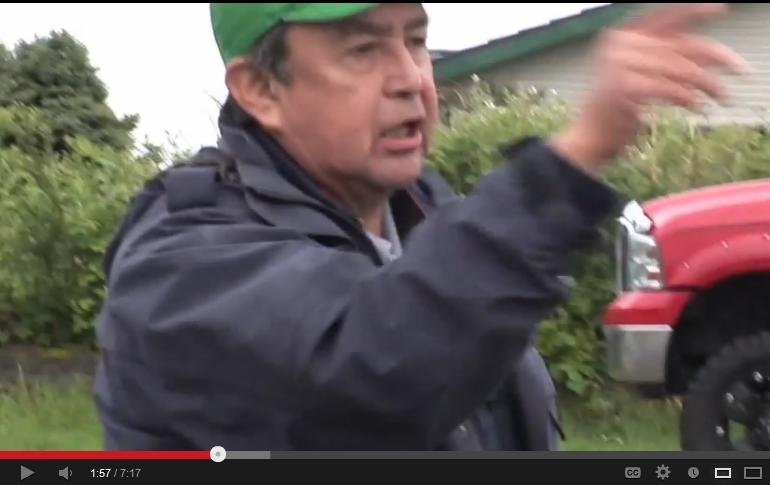
Watch the video report in full online here
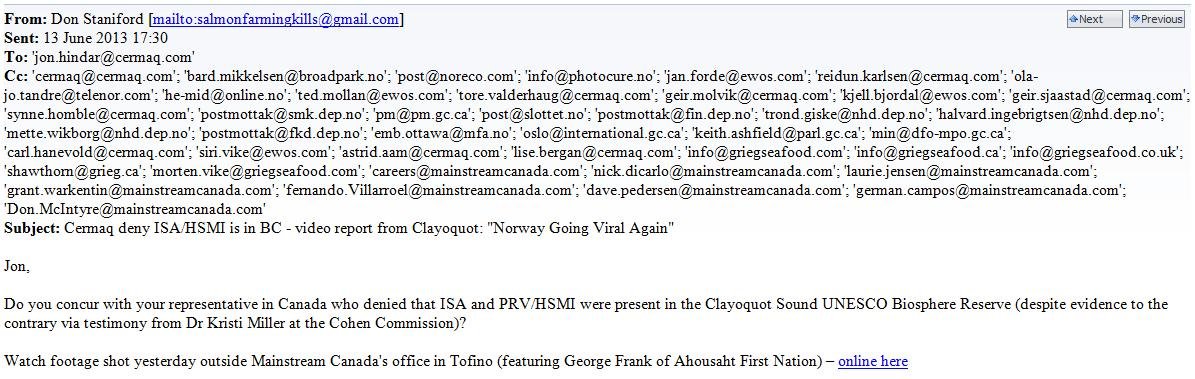
"Do
you concur with your representative in Canada who denied that ISA and PRV/HSMI
were present in the Clayoquot Sound UNESCO Biosphere Reserve (despite evidence
to the contrary via testimony from Dr Kristi Miller at the Cohen Commission)?" asked an email to Cermaq's CEO last night (13 June).
Last year, George Frank also took photos of Salmon Are Sacred's Anissa Reed and Alexandra Morton as they documented Cermaq's woeful lack of biosecurity measures when dealing with the IHN outbreak.
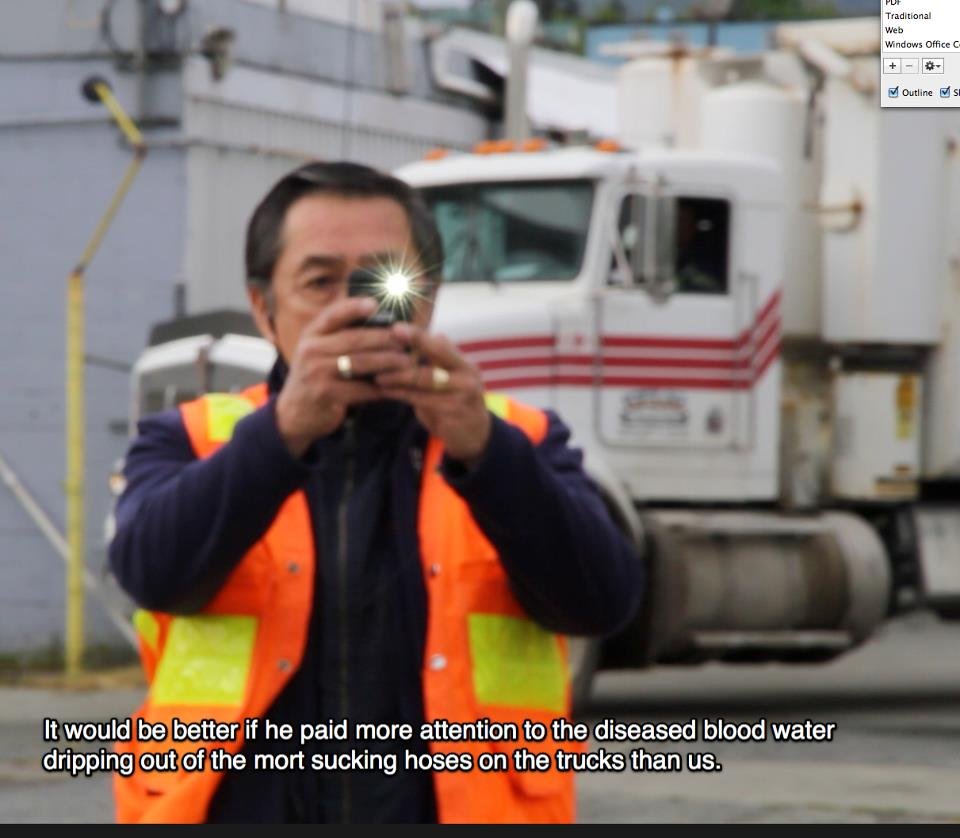
Read more via "IHN infected farm salmon transported through Alberni Inlet – one of the last farm-free migration routes left"
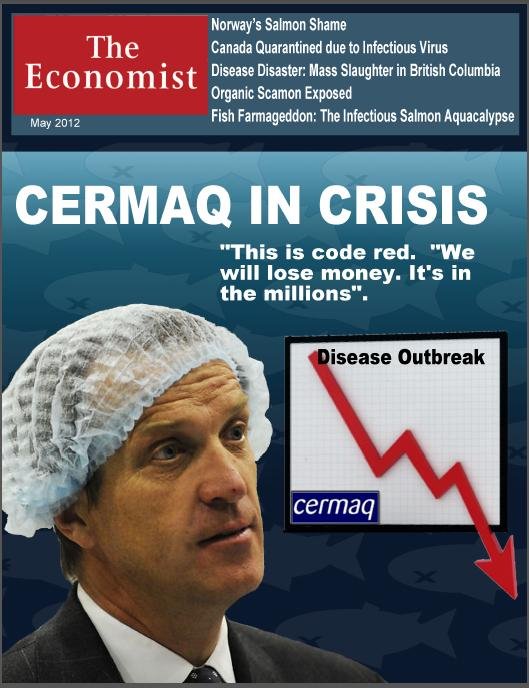
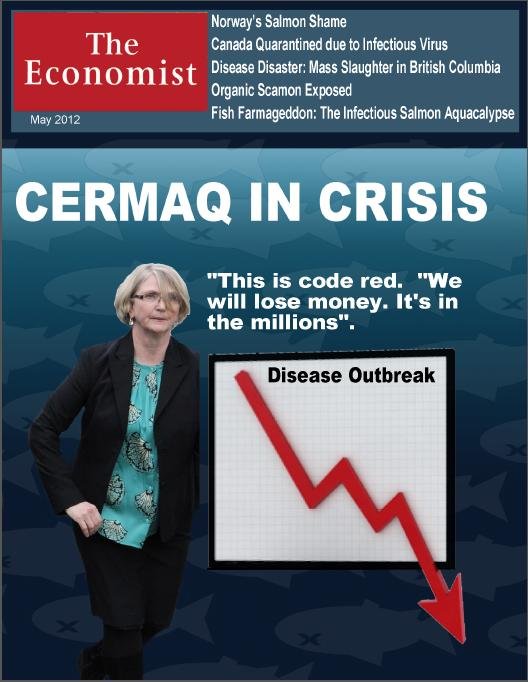
"This is code red," said Cermaq's Canadian PR flak Laurie Jensen in an interview with CBC News (May 2012). "We will lose money. It's in the millions. There's a lot of money at stake, but money is not our issue right now."
Read more via
- Cermaq in Crisis in Canada!
- Candid Canada: Infectious Diseases Going Viral!
- Cermaq's "Code Red" in Clayoquot Sound
Visitors to Cermaq's processing plant in Tofino were greeted by a 'Stop: Follow Biosecurity Protocol' sign.

A security guard at the gate patrolled the facility with the warning notice: "Pedestrians Must Use Footbaths: Vehicle Tyres Must be Disinfected on Entry and Exit."

Watch more via "Deadly Virus Quarantines Salmon Farm in Clayoquot Sound"
Following reports of ISA and HSMI in Clayoquot Sound salmon farms, Alexandra Morton wrote in March 2012 to the Canadian Fisheries Minister. "I am writing to ask what action was taken as a result of the DFO diagnoses of ISA virus on two Creative Salmon farms in Clayoquot Sound in 2011," she wrote. "I have attached the DFO database released by the lab to the Cohen Commission. Attached also is a memo from the BC provincial vet, who does not refute the PCR results, only the association with the jaundice condition. What follow up has the CFIA, DFO and the Province of BC done on these cases?"
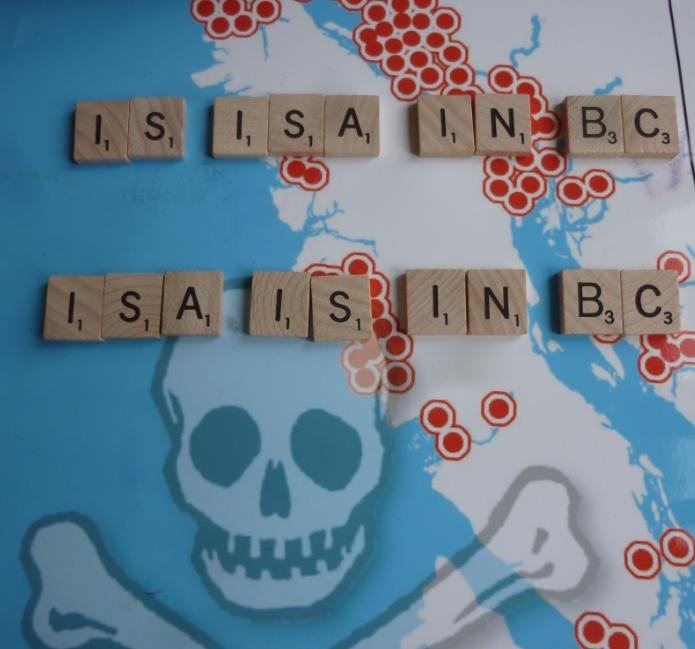
"I am also writing to inquire why the OIE has not listed any of the ISAv positive results from the OIE reference lab or these cases on the WAHID site as at least a "suspect" case?" concluded Alexandra Morton.
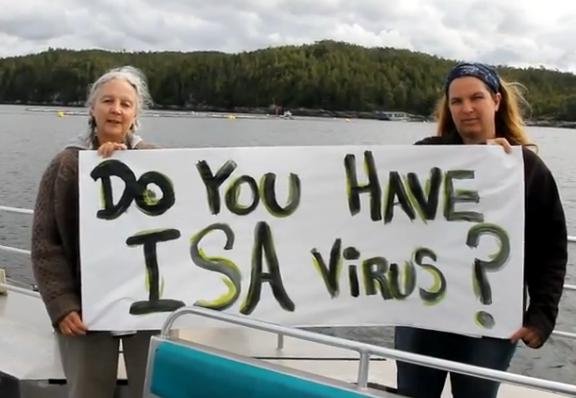
Read more via "ISA in Clayoquot – what is government's response?"
Just last month, Cermaq's CEO Jon Hindar was asked in a letter: "Is
Cermaq currently affected by Piscine
Reovirus/HSMI
in Norway, Chile or Canada?" asks the letter. "How
many of Cermaq’s sites are currently affected? In British Columbia, Piscine Reovirus and
Infectious Salmon Anaemia were reported dangerously close to
Cermaq’s operations at Creative Salmon in the Clayoquot Sound UNESCO Biosphere
Reserve by Dr. Kristi Miller at the Cohen Commission’s inquiry in December 2011. Friends
of Clayoquot subsequently called for the testing of Cermaq’s
farmed salmon. What results has Cermaq
found in your farmed salmon in Canada? Have
you informed your shareholders and investors of the disease risks?"
Read more via "Dear Cermaq, Come Clean on Disease Risks!"

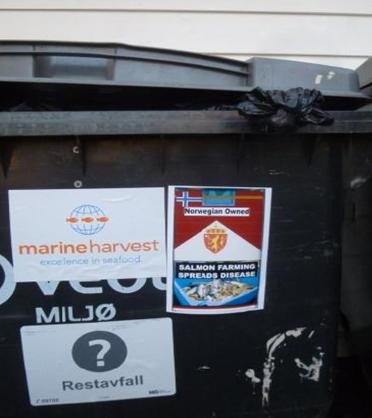
Similar questions were raised in another letter sent last month to Marine Harvest's CEO (who is currently engaged in a hostile takeover of Cermaq). "In
terms of liability, what financial losses has Marine Harvest accounted
for?" asked the letter. "For example, following the ISA
outbreak in Chile there were losses of $2 billion, a threatened
lawsuit
and a priceless loss of company reputation."
"Are
you worried that a similar situation to Chile is now developing in British
Columbia?" continued the letter. "Now that ISA (and other
infectious diseases) have been reported in British Columbia, Canada, what
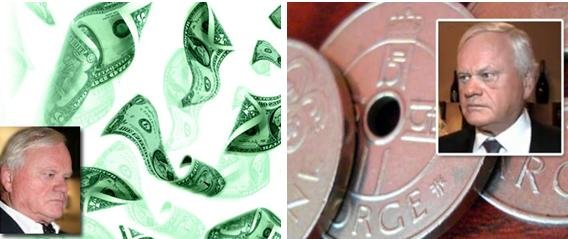
financial fallout will Marine Harvest suffer? Chile’s
losses of $2 billion could be a drop in the ocean compared to the financial
consequences in British Columbia where wild salmon populations play such a
significant part in the economy and culture."
"Marine
Harvest’s management, board of directors, shareholders and investors should
watch the documentary ‘Salmon
Confidential’
and then head directly to your insurance provider and increase your company
liability insurance" suggested the letter. "As
Alexandra Morton asked in 2011: “Are
the Norwegian fish farmers adequately insured to cover damages if we find out
BC is an ISAV suspect area, no one told us and it spreads because you did
nothing?"

Read more via "Marine Harmfest Goes Mainstream!"
In 2011, Alexandra Morton delivered a similar message to Cermaq during her visit to the Clayoquot Sound UNESCO Biosphere Reserve.
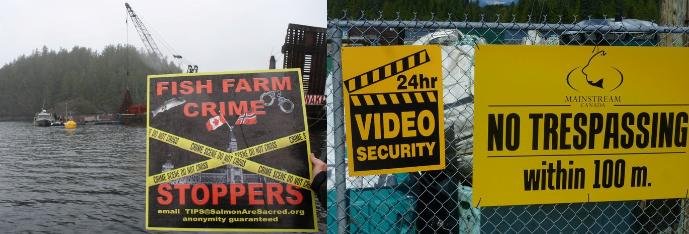
Read more via "Ground-Truthing New Fish Farm Application" and "Cermaq’s Crime Scene in the Clayoquot Sound UNESCO Biosphere Reserve"
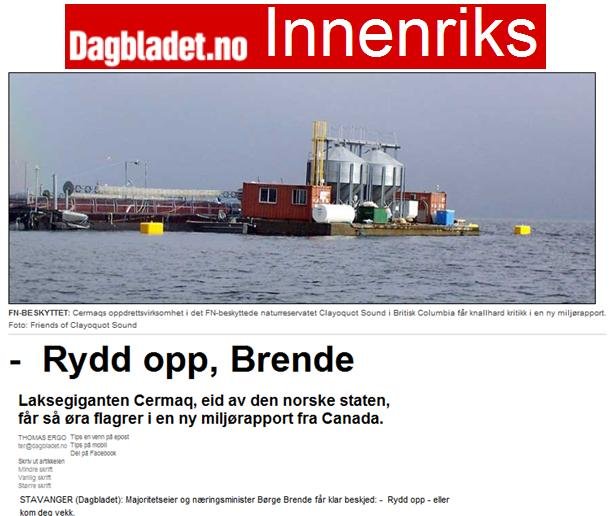
Back in 2004, Friends of Clayoquot Sound delivered a similar message to Cermaq. "Clear Up or Clear Out of Clayoquot Sound" said a press release and a petition. The Norwegian newspaper Dagbladet featured the issue in 2005 under the headline "Clean Up Brende!" (Brende was the name of the then Norwegian Minister of Trade & Industry, the largest shareholder in Cermaq).
For more news on Cermaq (and their soon-to-be new owners Marine Harvest) read:
- Marine Harmfest Goes Mainstream!
- See You In Court! Tuesday (28 May) in the BC Court of Appeal!
- Round 9: Deadlock In Cermaq & Marine Harvest Mega-Merger
- Lipstick on a Pig – WWF's Makeover At Marine Harvest
- Round 8: Cermaq Floored by Marine Harvest at AGM
- WWF Greenwashes Marine Harvest!
- Dear Cermaq, Come Clean on Disease Risks!