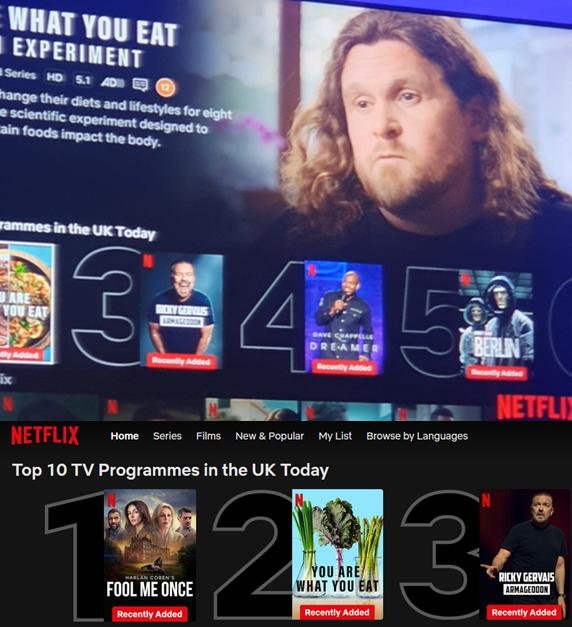
I’ve finally made the leap to becoming vegan just at the right time. Netflix’s ‘You Are What You Eat: A Twin Experiment’ provides the perfect backdrop to radically overhaul our relationship with food and venturing towards veganism. For a lifelong meat eater – save a vegetarian sabbatical in my 20s – it’s a significant lifestyle change at the ripe old age of 52.
‘Veganuary’ – coincidentally launched on the same day as the Netflix documentary – could not have been timed any better. It’s almost as if there’s a global conspiracy to make us all go vegan! If there is then it’s something I’ve fallen hook like a sinker for. I signed onto ‘Veganuary’ just before midnight on New Year’s Eve and I hadn’t even been drinking (I may have been eating cheese but that would be telling).
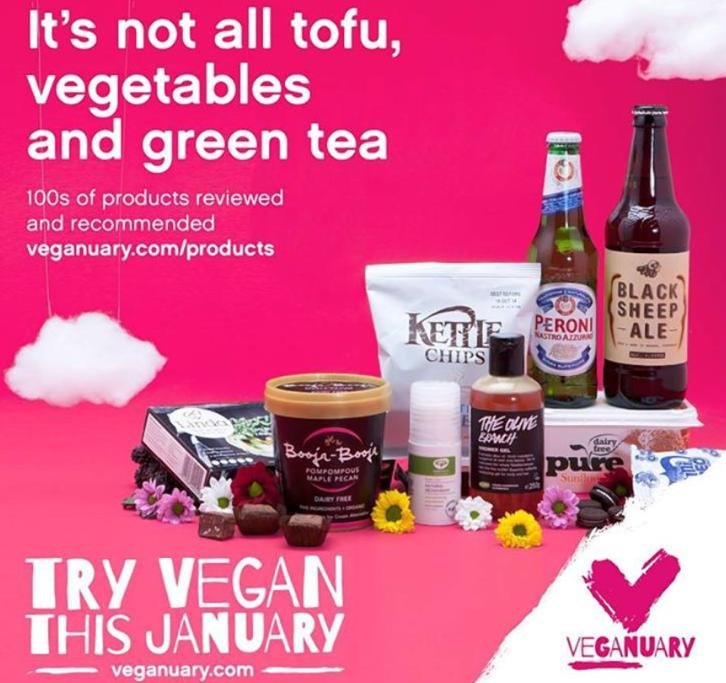
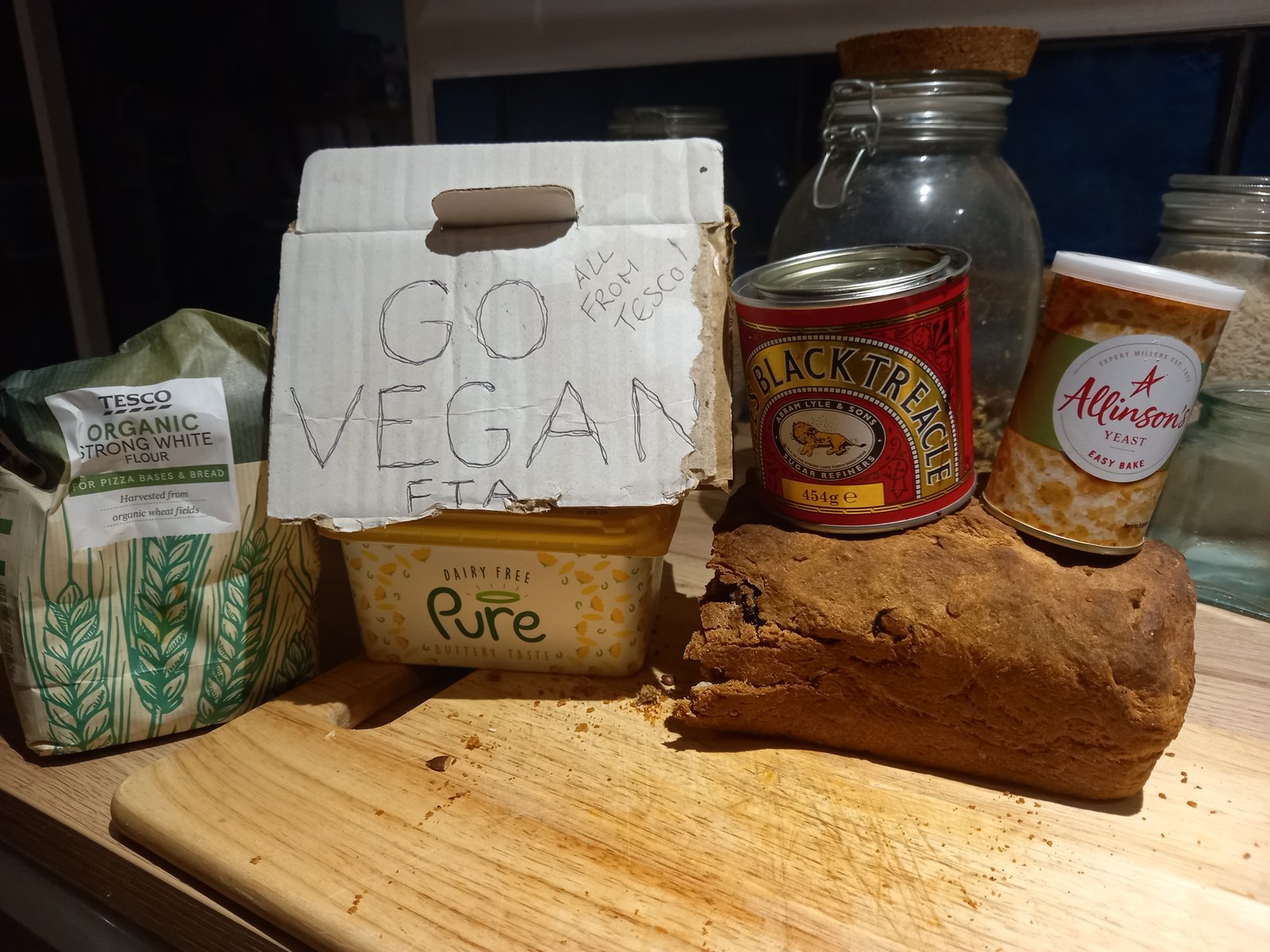
With the benefit of hindsight though, going cold tofurkey during the Xmas school holidays with a nasty dose of man flu (perhaps even Covid) was not ideal. Yet, a week later I have emerged from a mid-week wobble to feel if not physically energized but mentally recharged. The subliminal and not so subtle pro-vegan messages – and even vegan survival packs sent in the post (thanks Jackie and Andrew) – have turned the tide.
2024 is already shaping up to be the year that plant-based diets kick meat and fish off the menu and off people’s tables. Netflix’s worldwide smash – ‘You Are What You Eat’ – quickly leapt to #2 in the US, UK, Australia, Ireland, Iceland, Norway and Sweden after its launch on 1 January. The four-part documentary – directed by Oscar-winner, Louie Psihoyos who won his Academy Award for ‘The Cove’ and also directed ‘Racing Extinction’ – has been lambasted by some critics as a shameless plug for veganism but lauded by others as essential viewing. If 'You Are What You Eat' is propaganda then it is extremely slick and something to savour.
“Mind-bogglingly good Netflix documentary experimenting on twins has people rethinking their whole life,” reported Lad Bible (7 January). “If you were tempted by a plant-based lifestyle in 2024 but didn't reckon you'd be able to resist a fish and chip supper or a meatalicious pizza, Netflix has launched a brand new vegan-friendly experimental series that has already changed the lives of millions of viewers.”
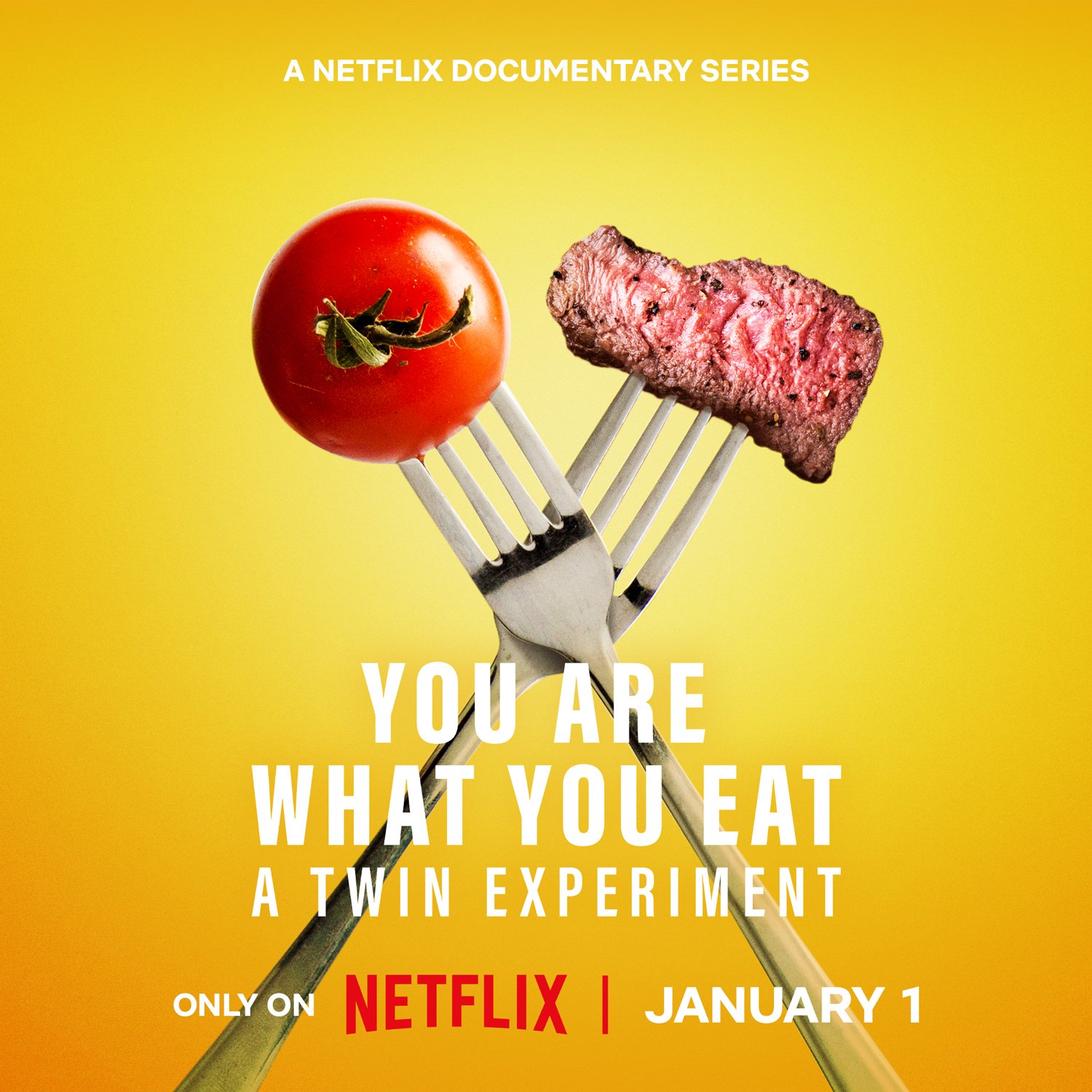
“A new vegan-friendly experimental documentary series has recently landed on Netflix, and viewers have decided to make profound life changes after watching it,” reported The Sun (8 January). “One user penned: "You Are What You Eat on Netflix was mind-bogglingly good. Like actually making me want to consider going fully vegan." Another added: "Watching You Are What You Eat on Netflix… and am now seriously considering eating little to no red meat from now on." A third wrote: “Watching You Are What You Eat on Netflix and it’s making me rethink my whole life. I’m so grateful we found a local farm to get our meat and produce from. It’s all so scary." A fourth admitted: “Ngl, after seeing the background on these farms who supply the beef and chicken, etc, I’m much more open to trying a vegan diet.”
The show was predictably criticized by Mowi’s director of communications in Salmon Business (5 January) for leaving viewers “at the mercy of a variety of campaigners and vegan food marketers”. Mowi is the largest salmon farmer in the world after all – described as the ‘Coca Cola of Salmon’ – and is featured in Episode 3 alongside an unappetizing segment on fatty farmed salmon.
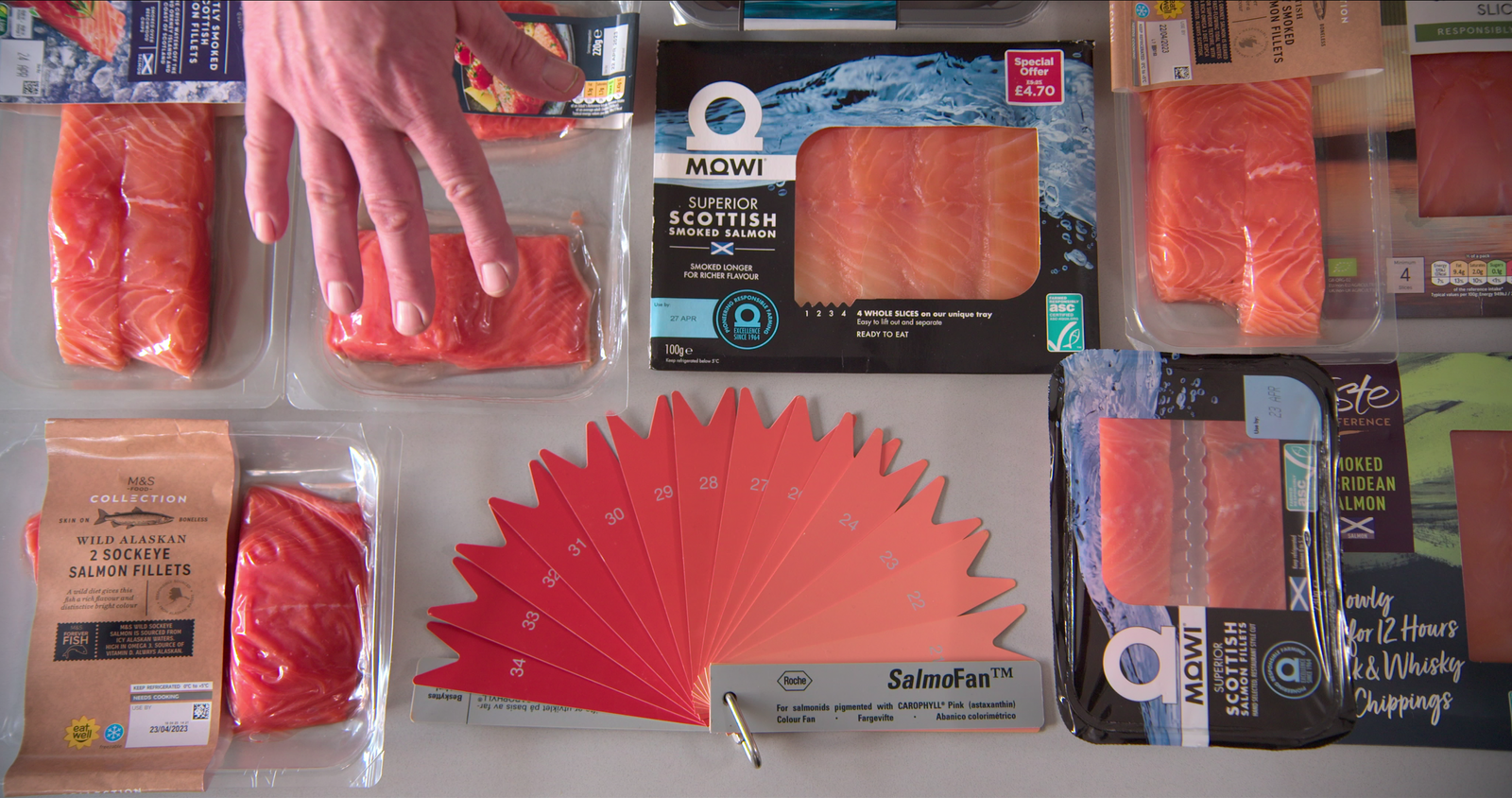
What was the most surprising fact on salmon farming in the Netflix doc out today "You are what you eat"?
The high fat content & the chemicals stored there should be enough to end the industry overnight.
If only people knew! pic.twitter.com/5bRocXd7yX— Free Salmon (@salmon_free) January 1, 2024
The Herald newspaper in Scotland questioned whether it was the end for farmed fish. “Watch, for instance, Netflix’s You Are What You Eat, and you’ll see salmon farms framed as part of a global health and environment problem alongside the likes of intensive hog rearing, chicken farming and feedlots,” wrote Vicky Allan (5 January). “You Are What You Eat shifts the conversation. It's no longer about whether salmon is better than beef, or what meat is the most sustainable – an argument in which salmon tends to come out very well. It's about whether plant is better than fish for both planet and human health – and that is part of a much bigger debate.”
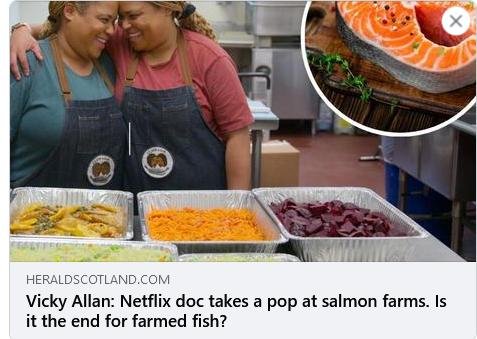
In Norway, home to the $almafia and by far the world’s largest salmon farming nation the debate is raging too with 'You Are What You Eat' rising to #2 on Netflix.
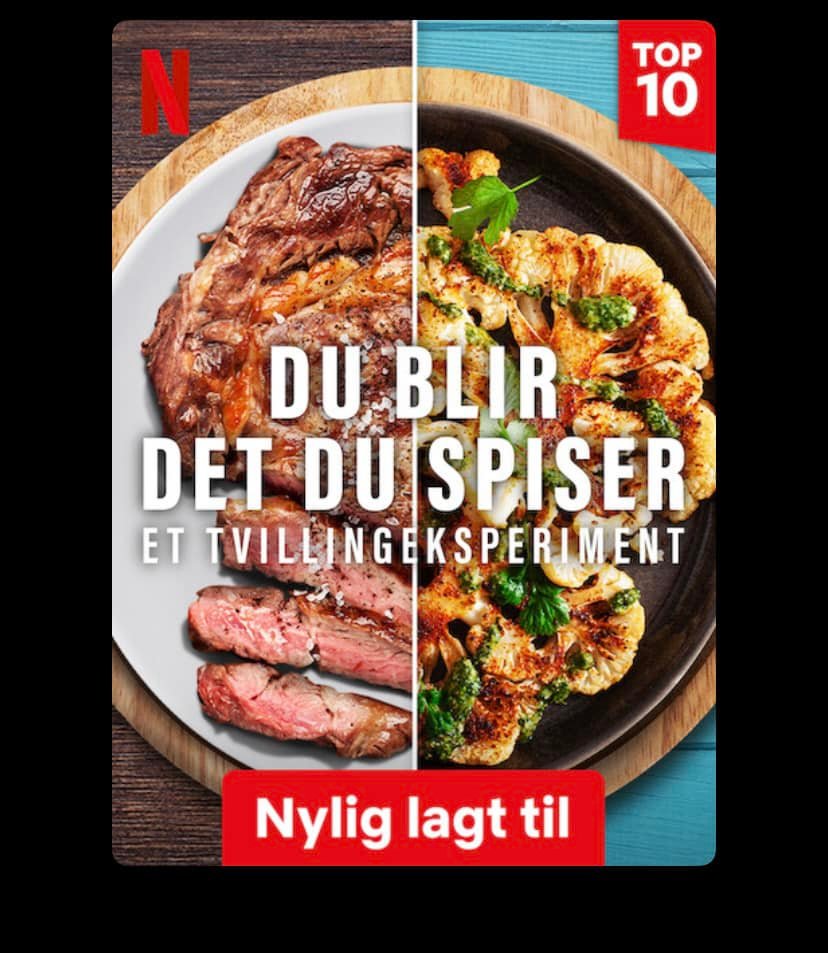
“Farmed salmon gets tough hit in new Netflix documentary” reported (8 January) Norway's largest business newspaper, E24. “While New Year's resolutions are still fresh, Netflix is launching the series "You Become What You Eat: A Twin Experiment." At the start of the weekend, the series was second to the top of Netflix's top list both in Norway and a number of other countries.”
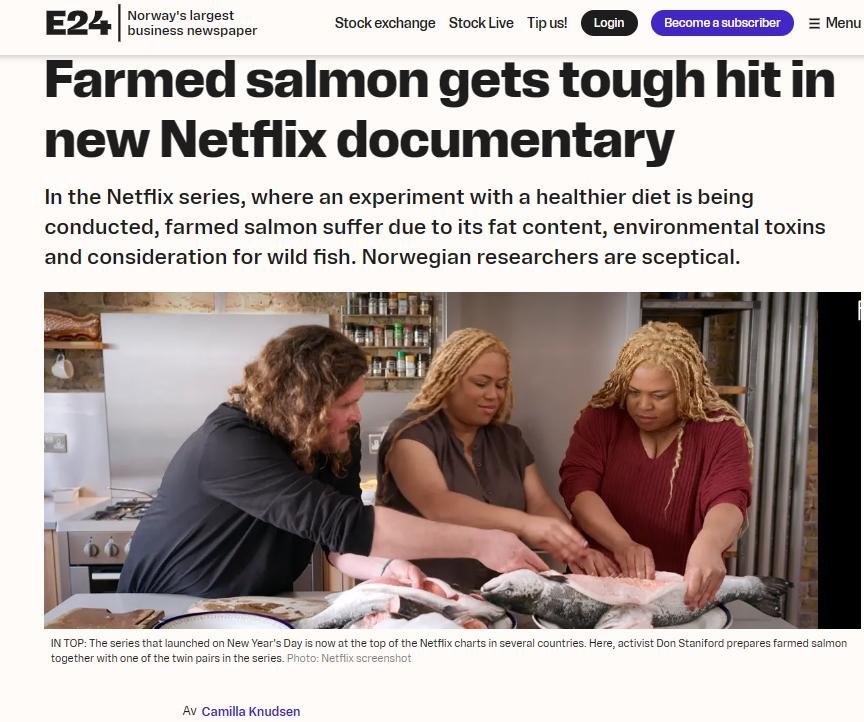
Since I make an appearance – speaking out against the evils of salmon farming in Episode 3 and cracking a terrible mother-in-law joke in Episode 2 – an unbiased view is not possible.
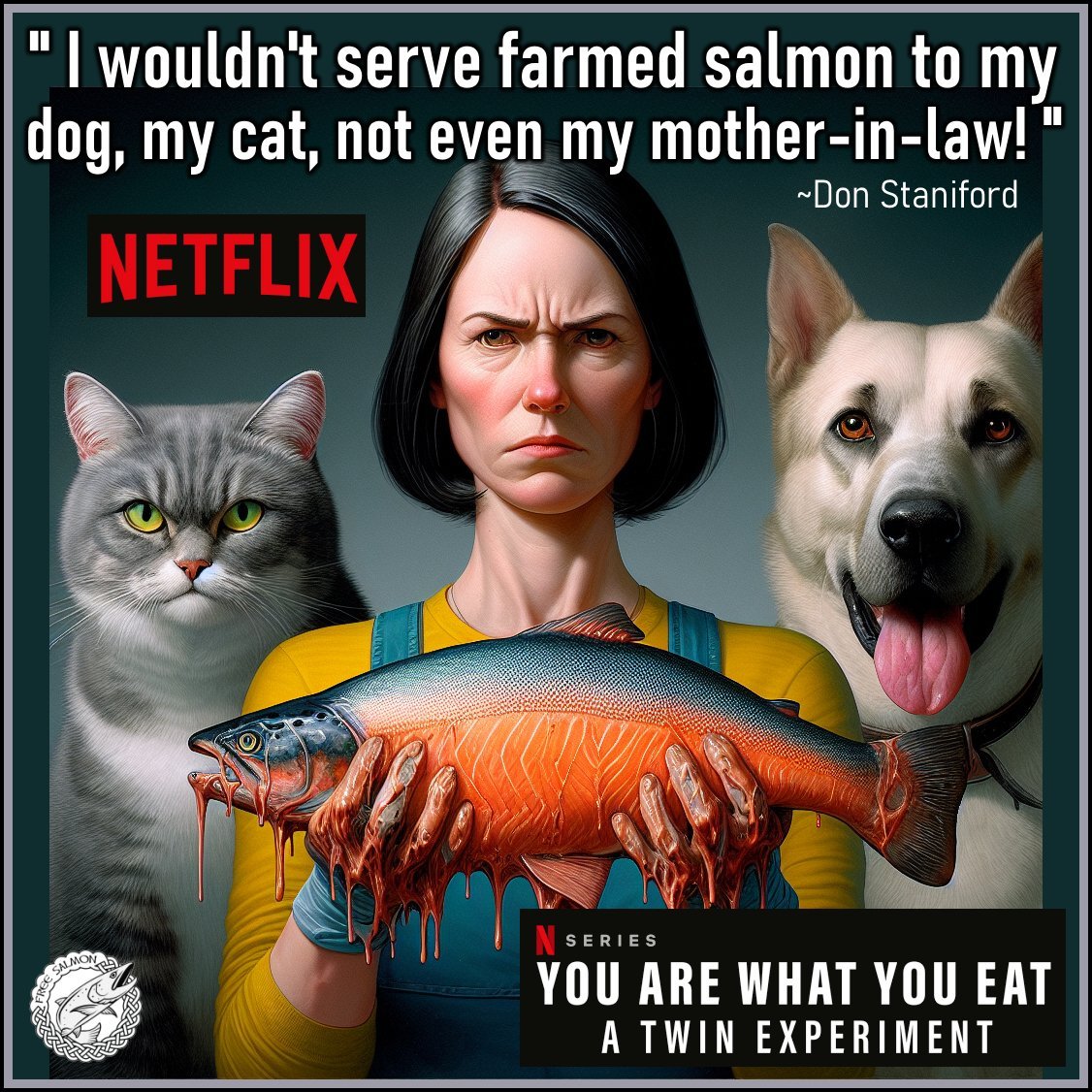
The feedback, however, is overwhelmingly positive with plant-based options now going mainstream in the media.
“The foundational data certainly makes a case for leaning into a plant-based diet, but the tone of the show never strays into vegan evangelism,” reported SFGATE (7 January). “The show has been a veritable hit for Netflix, claiming a high spot in the service's Top 10 list since its release on January 1. Without any spoilers, the experience had enough of an effect on the subjects that most of them tempered their meat intake.”
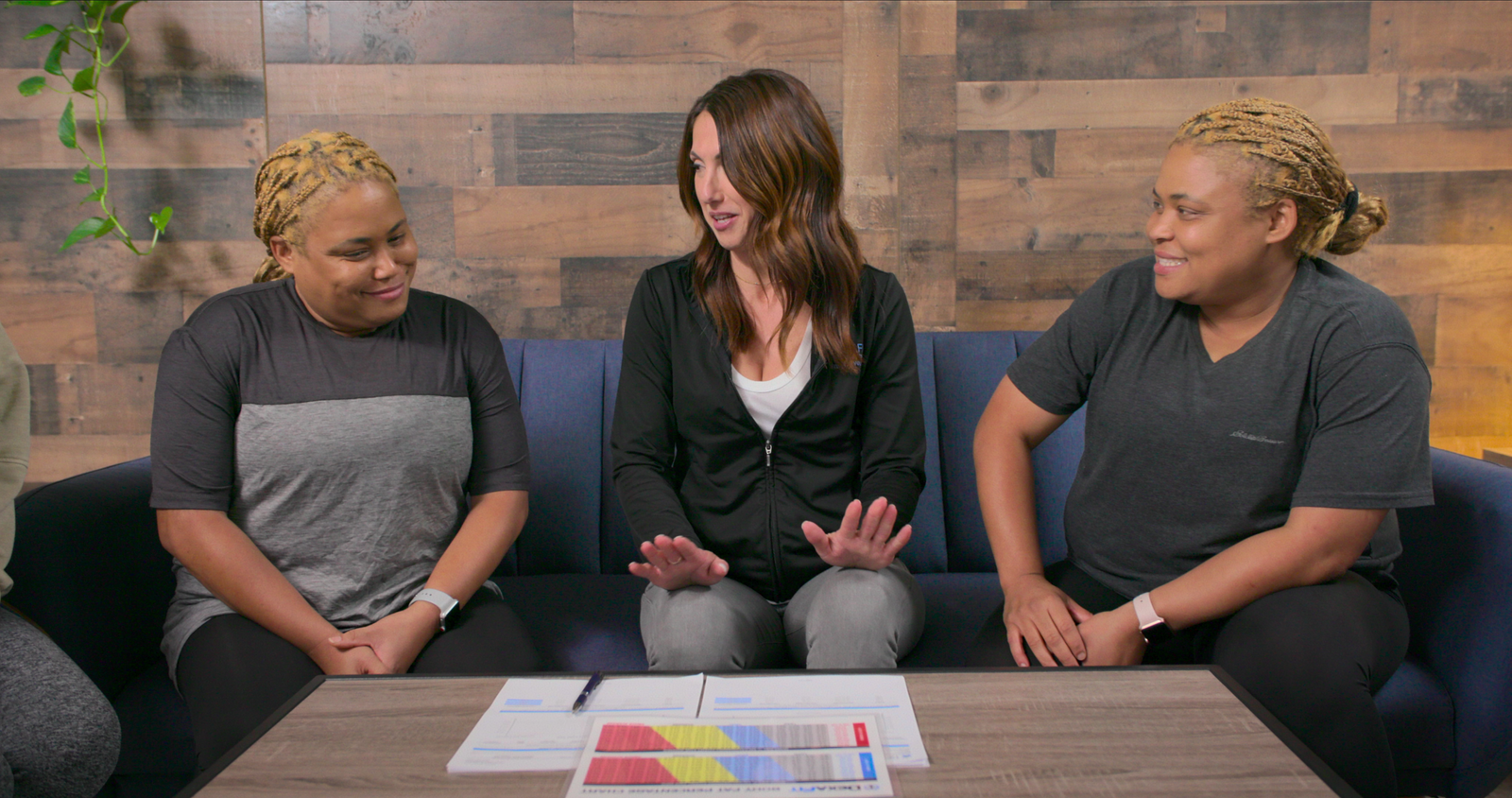
Time magazine reported (3 January): “It’s no secret that fruits and veggies are good for you. But a new Netflix show, You Are What You Eat: A Twin Experiment, shows just how powerful—and fast-acting—they can be. The show features pairs of adult identical twins who participated in a study published in November 2023. For eight weeks, everyone in the study ate a diet rich in fruits, vegetables, whole grains, and legumes and low in sugars and refined starches. But one twin from each pair was assigned to eat only these plant-based foods, while the other also ate animal products such as chicken, fish, eggs, and dairy. Both groups saw improvements in their cholesterol levels and modest reductions in weight over the eight weeks, but those trends were more dramatic among twins who followed the vegan diet. Average fasting insulin levels—another marker of cardiometabolic health—also dropped among the vegan, but not omnivorous, twins. “This suggests that anyone who chooses a vegan diet can improve their long-term health in two months,” Christopher Gardner, a Stanford University professor and senior author of the study, said in a statement. And, Gardner added, following a vegan diet may not be as difficult as many people imagine: 21 of the 22 twins assigned to that eating plan stuck with it for all eight weeks.”
Time to go vegan?
“This suggests that anyone who chooses a vegan diet can improve their long-term health in two months,” said Stanford University professor Christopher Gardner @GardnerPhD @TIME https://t.co/C1TaYQ4F8R @netflix @VegansUK @veganuary @VegCapital @vivacampaigns— Don Staniford (@TheGAAIA) January 4, 2024
My mid-week wobble was triggered by an unhealthy obsession with cheese which extends all the way from my feet to my middle-aged Homer Simpson waistline (not a good look in a wetsuit) and up to the cheesy jokes which spew out of my potty mouth.
Watching friends and family gorge on Cambozola, French Brie and Manchego festive leftovers was like Gromit subjecting Wallace to cheese-board torture and a barrage of Gorgonzola gags.
How the ‘Cheese Twins’ – who feature in Netflix’s ‘You Are What You Eat’ – weaned off real cheese and onto vegan cheese is a mystery I would love to hire Scooby Doo to solve. Does anyone know the secret recipe for a yummy vegan version of a Scooby sandwich?
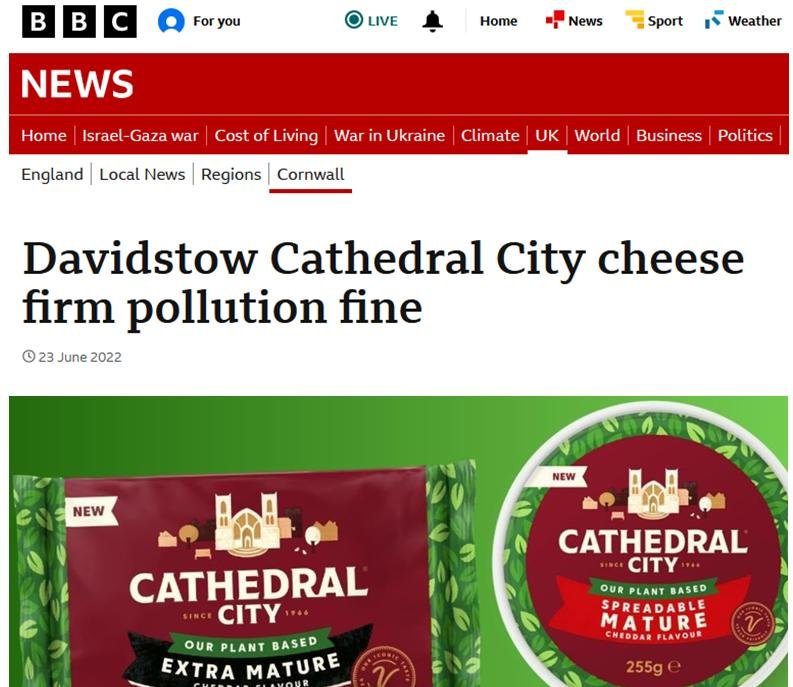
My personal experience with vegan cheese – a far from fantastic plastic monstrosity – grates and sticks in the throat. Even the ‘Cathedral City’ vegan option – recommended by many veganatics – is ruled out purely on environmental grounds. Going vegan and going green may ideally be in the same general direction but it is not always going to exactly the same destination.
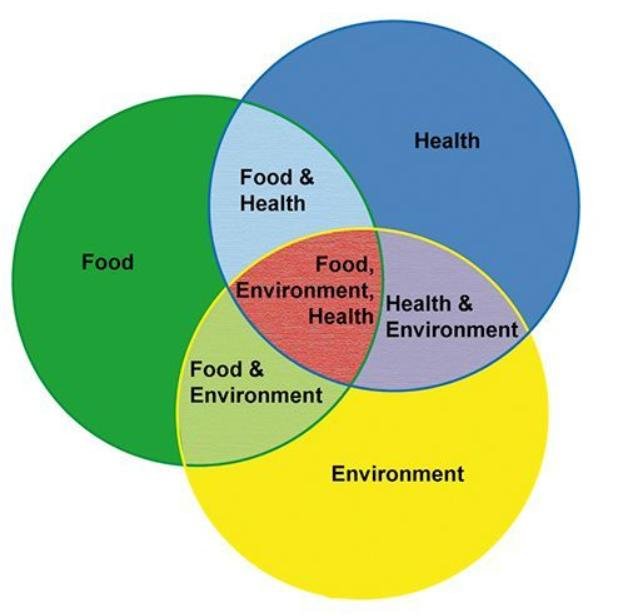
Finding the sweet spot – the acceptable trade-off between the environment, animal welfare and health – is going to my personal challenge in 2024. I refuse to buy ‘ethical’ vegan products shipped from Chile or China in plastic containers or fake vegan products which taste worse than rubber and are less healthy too. Supporting local producers, minimizing both food miles and environmental impacts whilst maximizing nutritional benefits without being ridiculously expensive is the overarching goal.
Supermarkets which hold vegans to hostage with plastic packaging, products imported from thousands of miles away with dubious green and health credentials and with prices at three times as high as non-vegan alternatives are giving veganism a bad name.
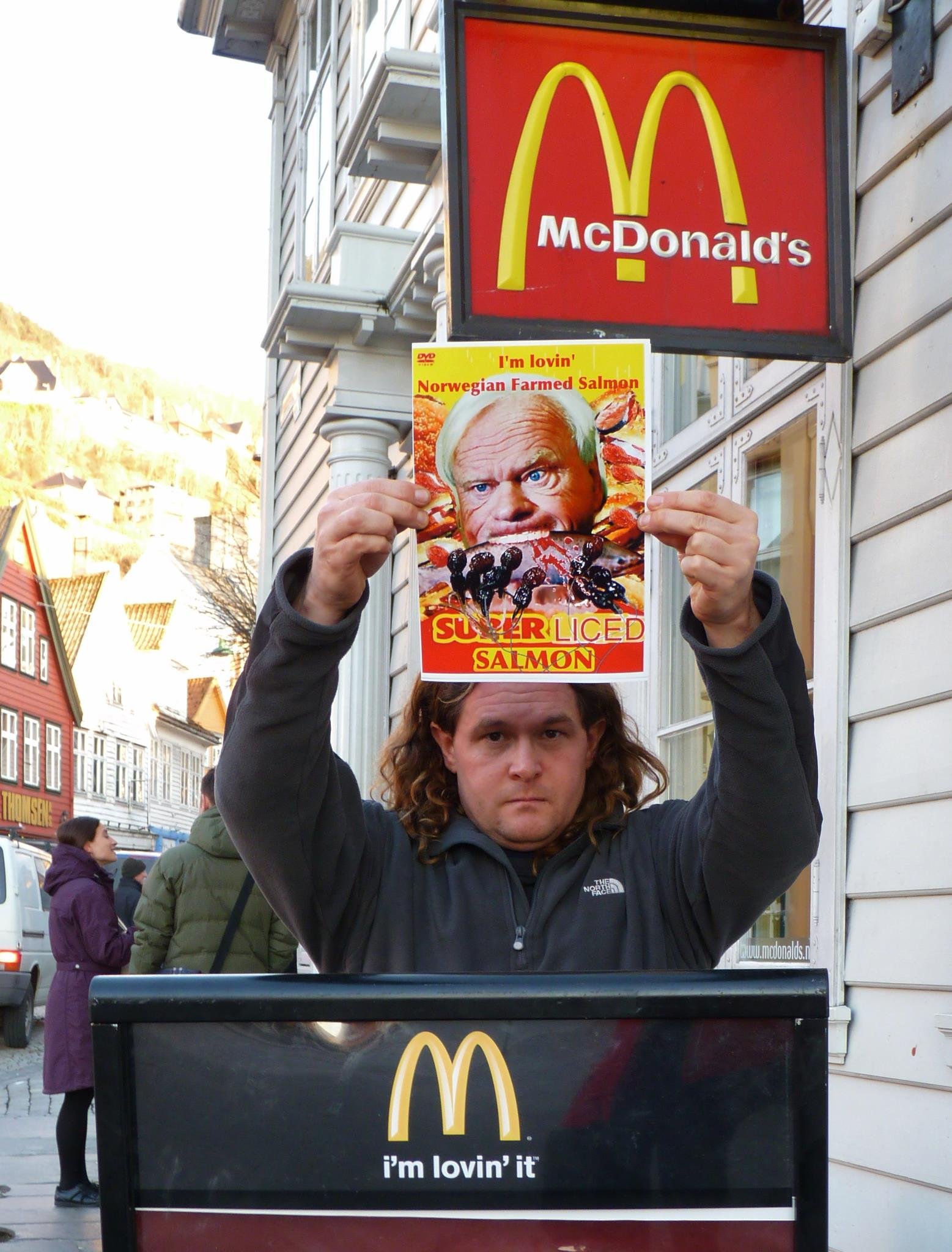
And supporting fast-food giants like McDonald's and Burger King just because they offer vegan options is a recipe for environmental and health disaster. I'm not lovin' how veganism is being hijacked by unhealthy big business. It seems counter-intuitive and counter-productive for vegans to boycott meat but financially support companies killing millions of cows, chickens and other animals with their custom.
On Day 1, I made the schoolboy error of not having any vegan food in the fridge or freezer except cans of beans and stale bread. There are only so many meals of baked beans on toast that I can stomach. On Day 2, I double-downed on my mistake by buying fake vegan foods which even my dog let alone the kids refused to eat.
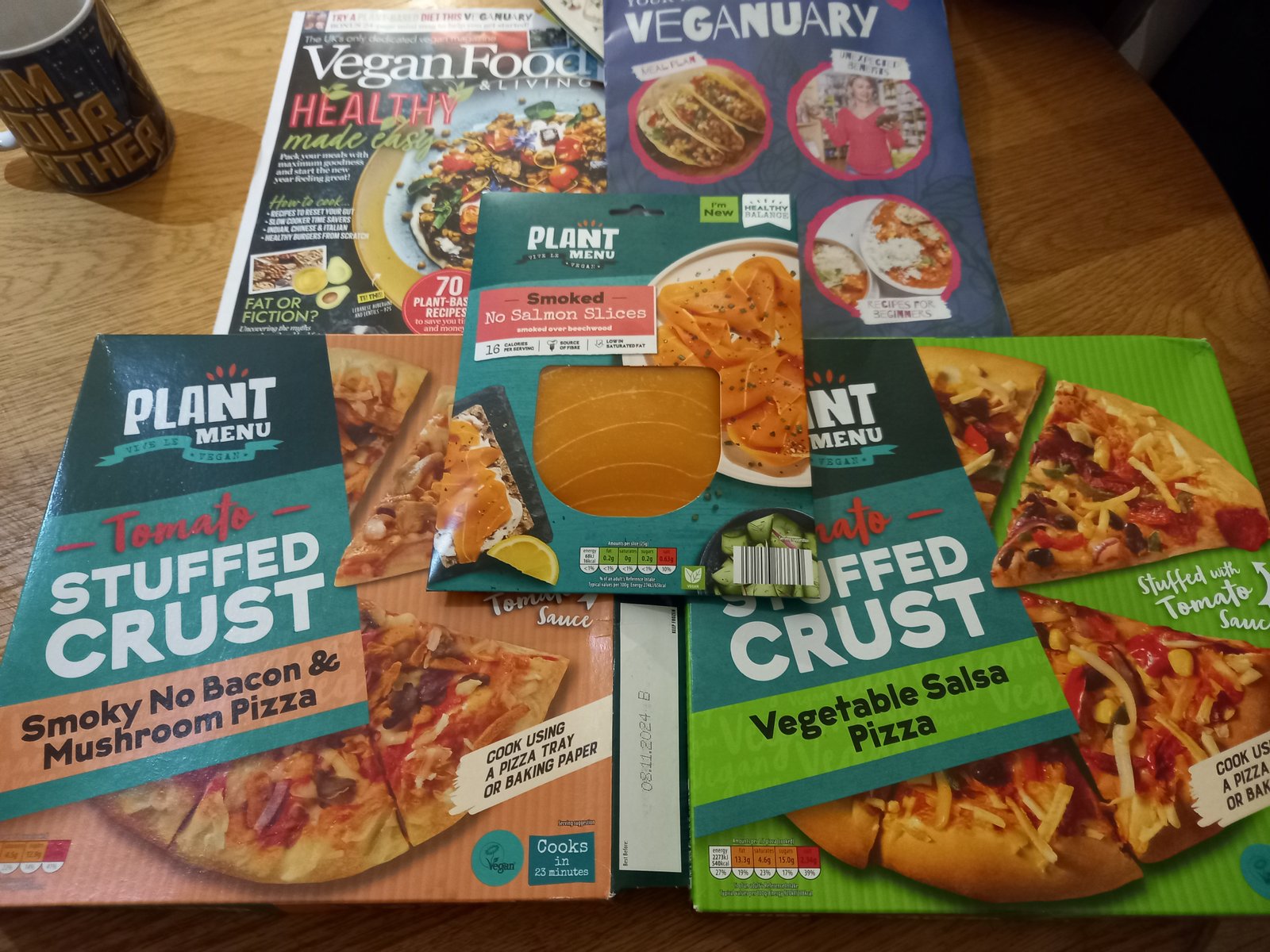
No joke, I wouldn’t serve vegan salmon to anyone even Mowi’s director of communications, Ian Roberts, or $almafia shill Tavish Scott. Fake vegan salmon like fake farmed salmon belongs in the bin not your shopping basket.
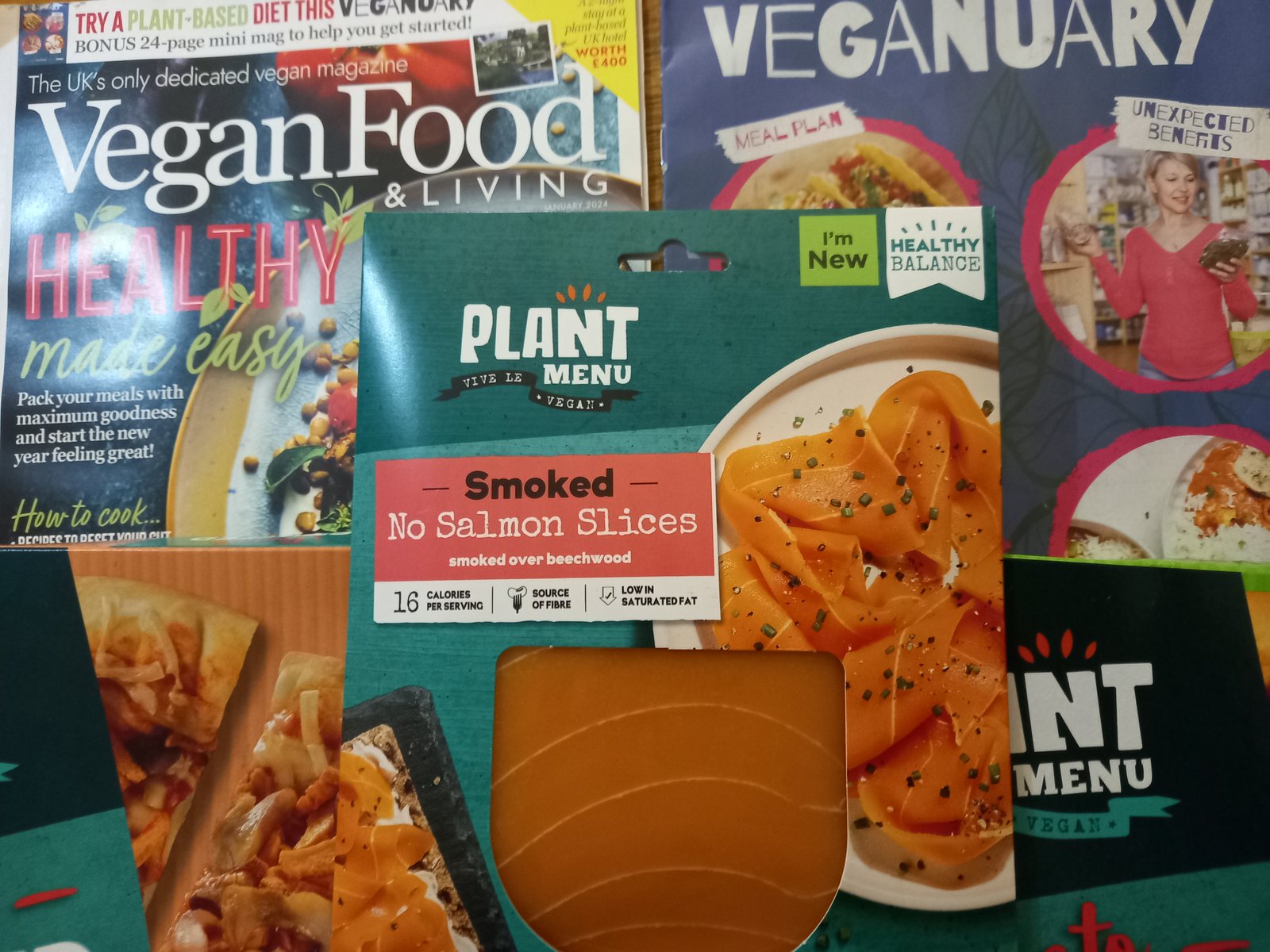
Mercifully, on Day 3 I had a Eureka moment and ordered an organic fruit and vegetable box delivered to my door from Riverford (expensive but it means I don’t have to leave the house for a week which is a win when you look like a cross between Tom Hanks in 'Castaway' and the Unabomber).
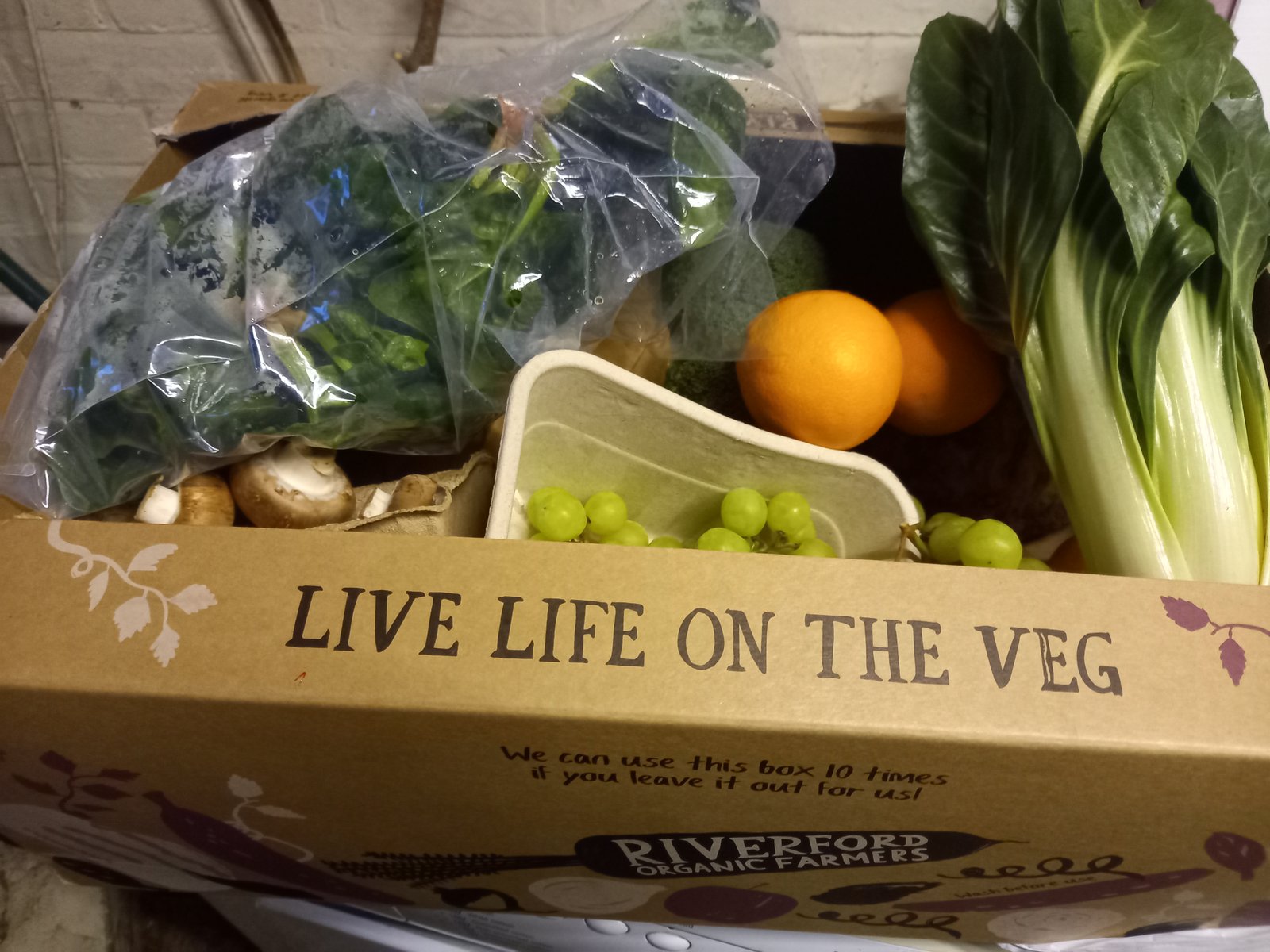
Coupled with a new soup maker, an old slow-cooker dusted down from the back of the cupboard and my bread-making gear from lockdown I now have all the ingredients for vegan success: borscht, pierogies (Lazy Cat Kitchen does an excellent recipe), lentil daal and home-made loaves, chapattis and bagels.
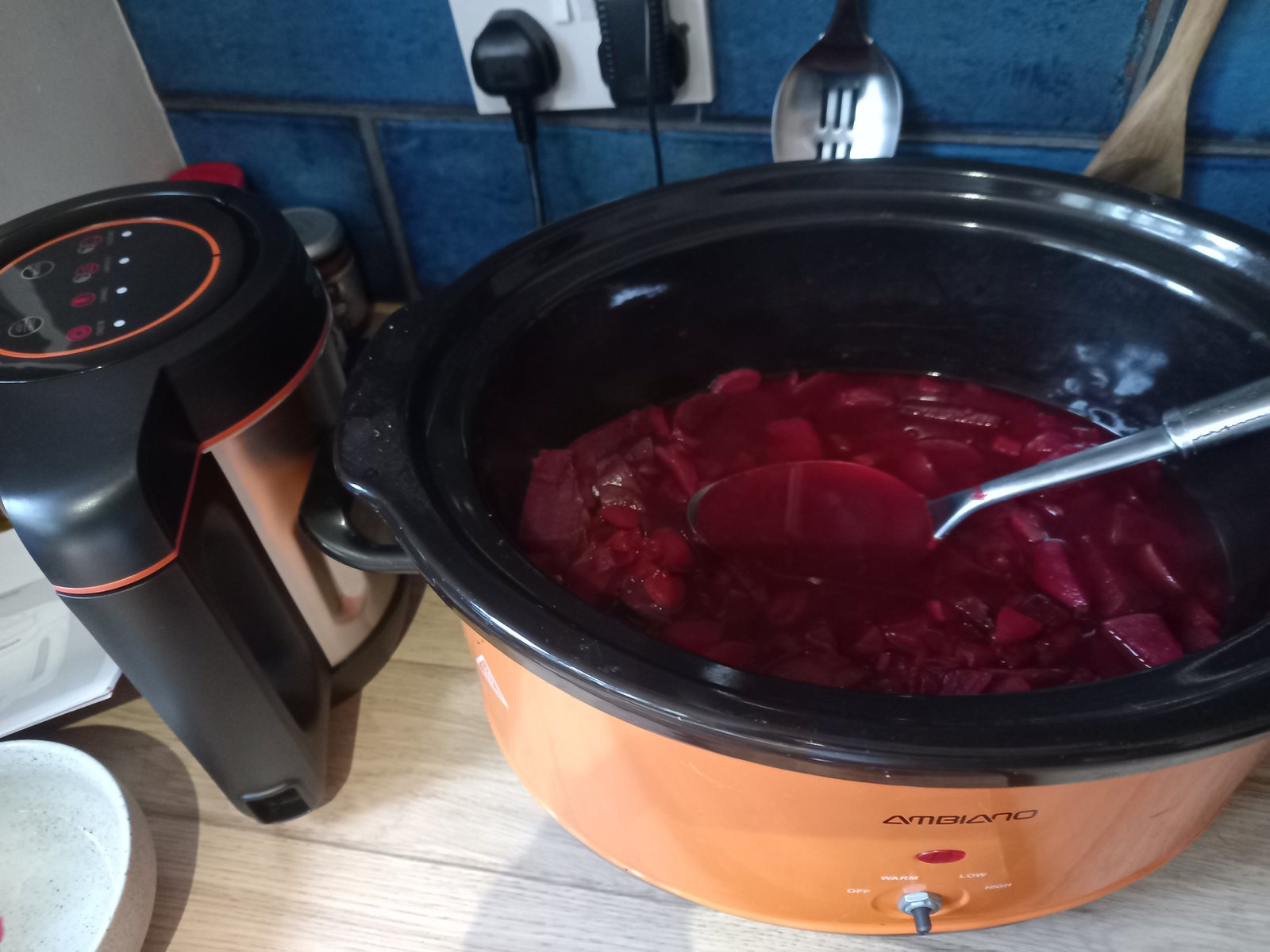
Milk in tea and coffee and on breakfast cereal is a daily challenge but I think I'm getting there with the help of oats.
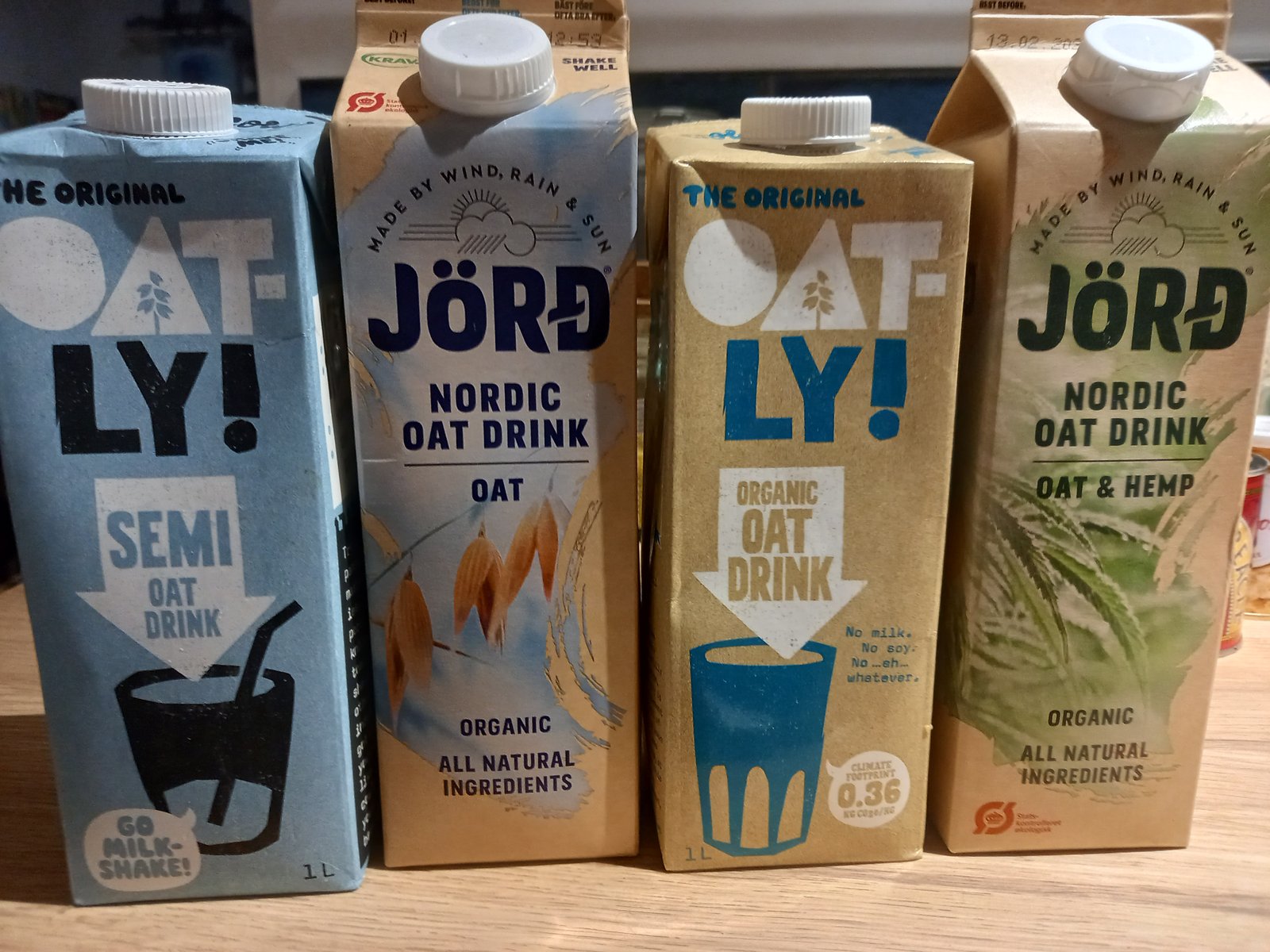
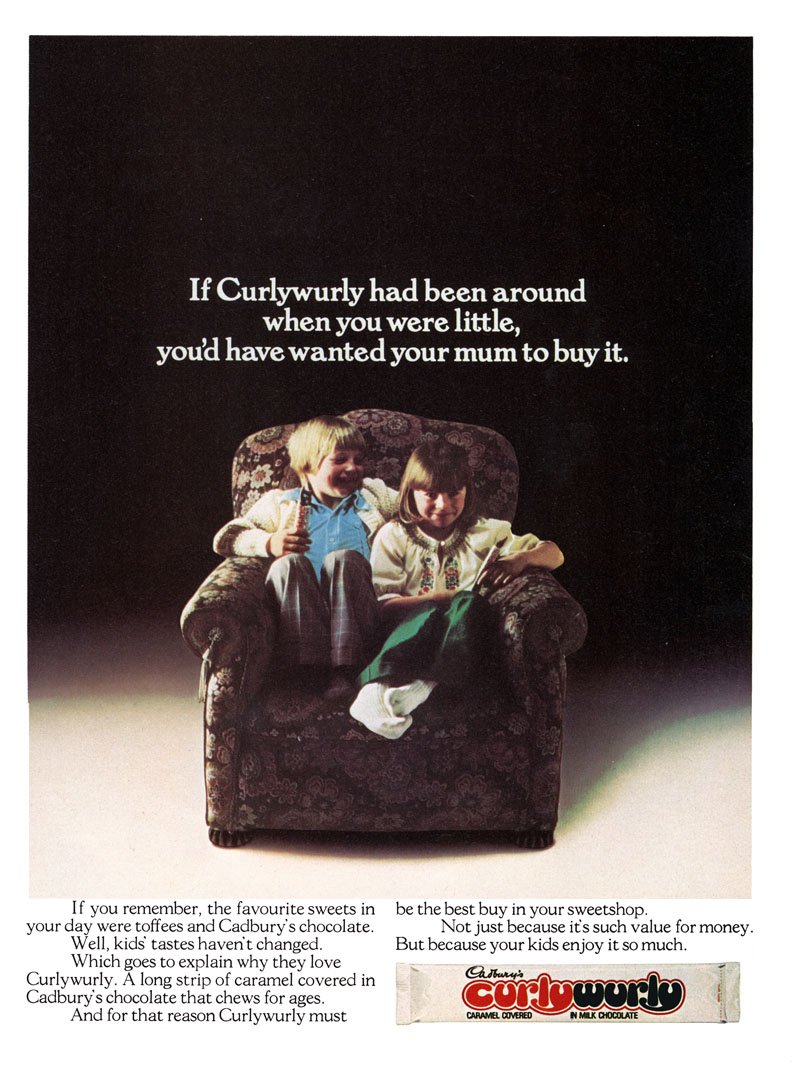
A 40-year addiction to Curly Wurly bars (caramel perfection coated in Cadbury chocolate bliss) is a sticky issue though and I’ve yet to find an alternative other than abstinence. If anyone has a solution – a heavenly vegan caramel bar which makes you want to swallow not spit – please do let me know. I blame the Mad Men of the 1970s.
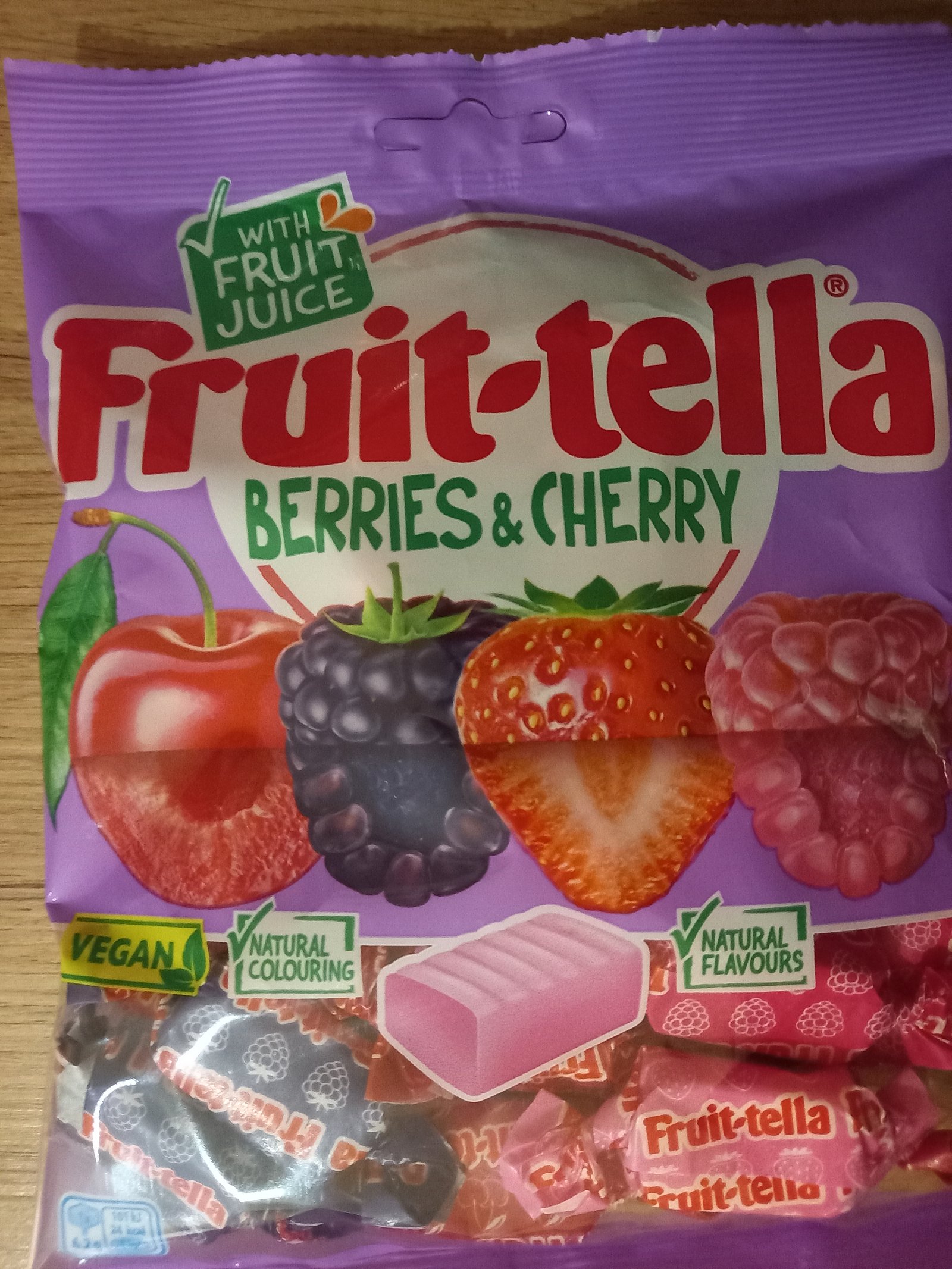
Swapping dairy products for sugary sweets may lead to fewer visits to the doctor but certainly not the dentist. My cheese and Curly Wurly addictions have now been replaced by a rabid Fruit-tella fixation which starts mid-morning and rears its ugly head again in the early evening. Switching from high cholesterol to a dose of diabetes may not be what the doctor or dentist ordered but it may help me at next week's Weight Watchers weigh-in.
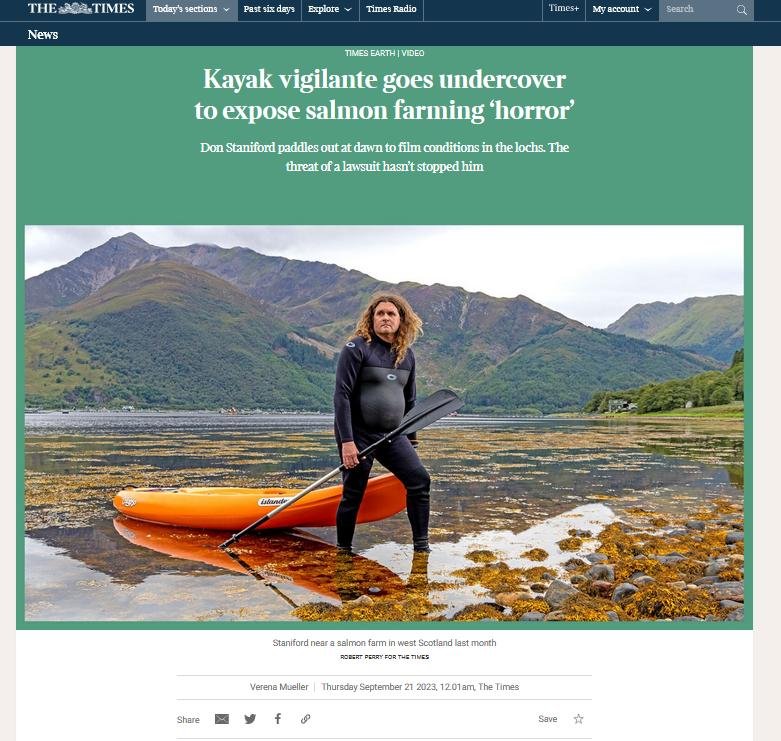
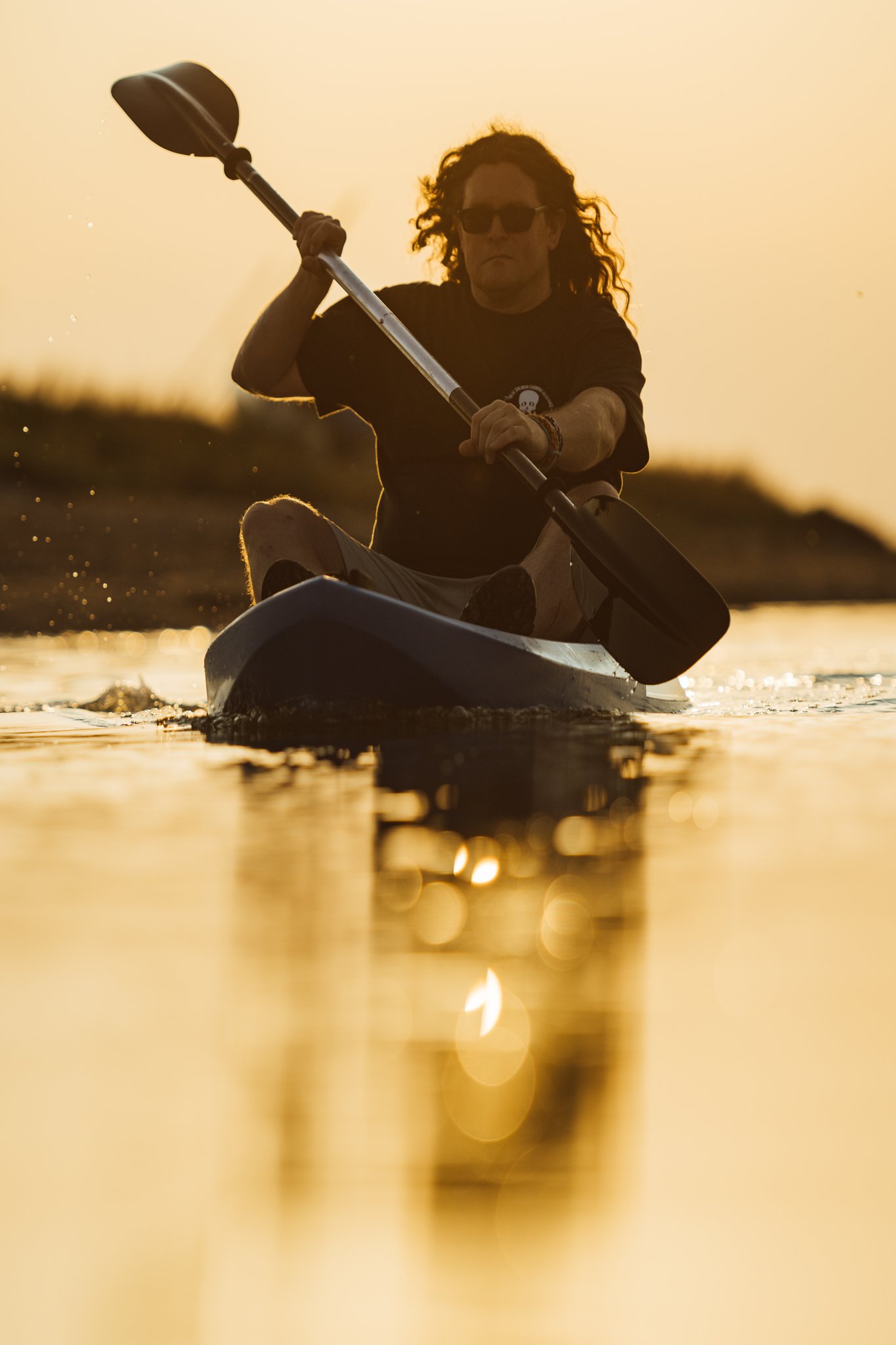
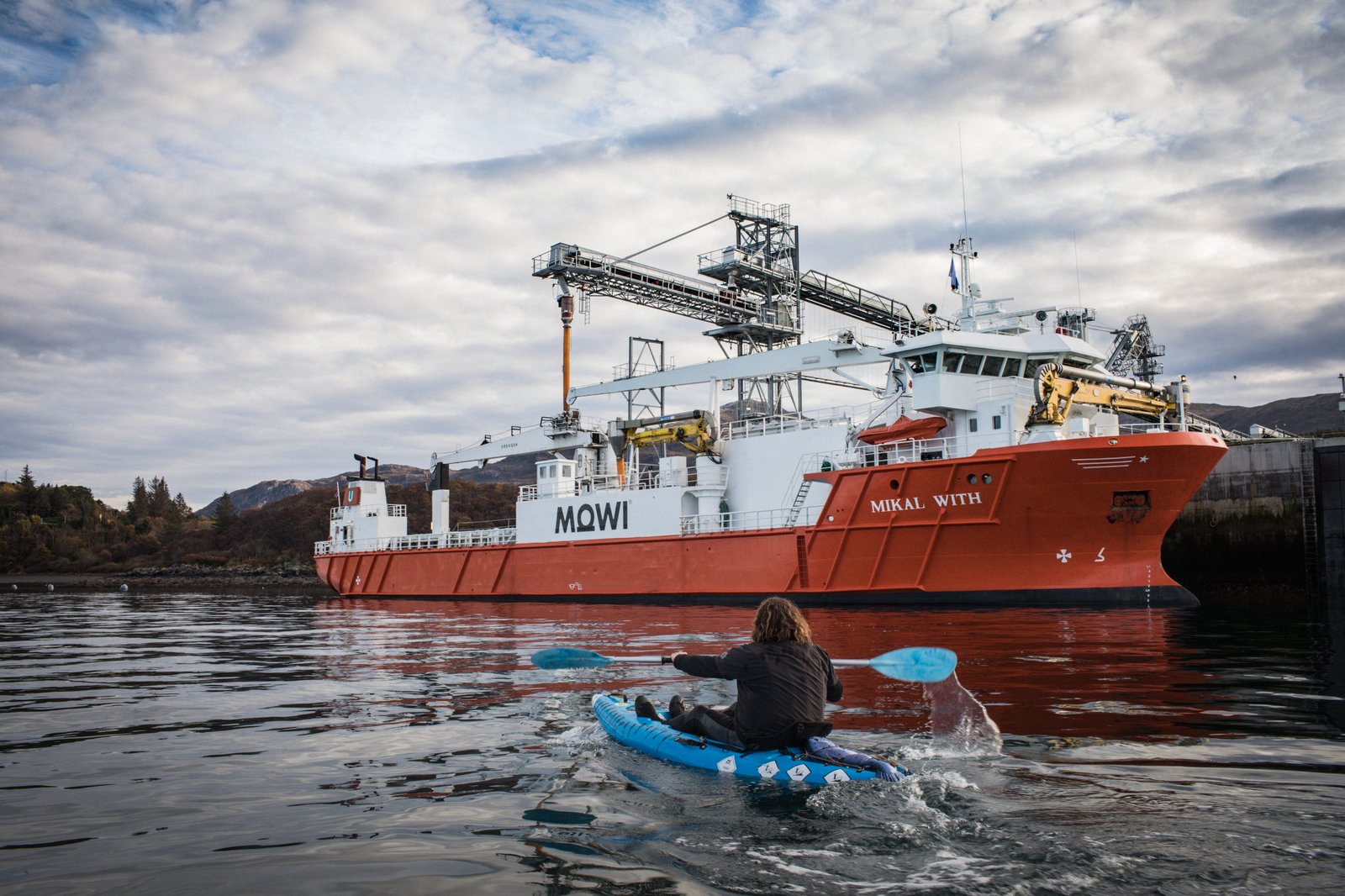
Looking beyond ‘Veganuary’, if I keep following a much healthier vegan diet I will hopefully lose 30 lbs long before I lose my mind and all my teeth. This ‘Kayak Vigilante’ could really do with carrying less weight on the water this Summer.
And think of all the animals being saved. Thanks to vegan vigilantes like Jamie Moyes, Ash Vara, Marcus Emmerson, Abi Penny and Lex Rigby I now hear the screams of animals and see their blood dripping when I look at a menu or go shopping in the supermarket.
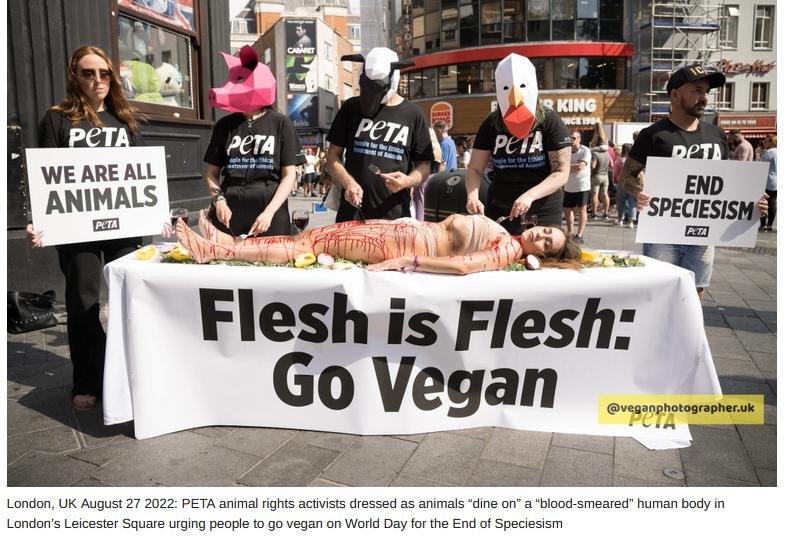
Hell yes, I may even get over my cheese peeve and man up by joining Viva's day of action against dairy on 27 January.
The truth about how our food reaches our plates really does hurt.
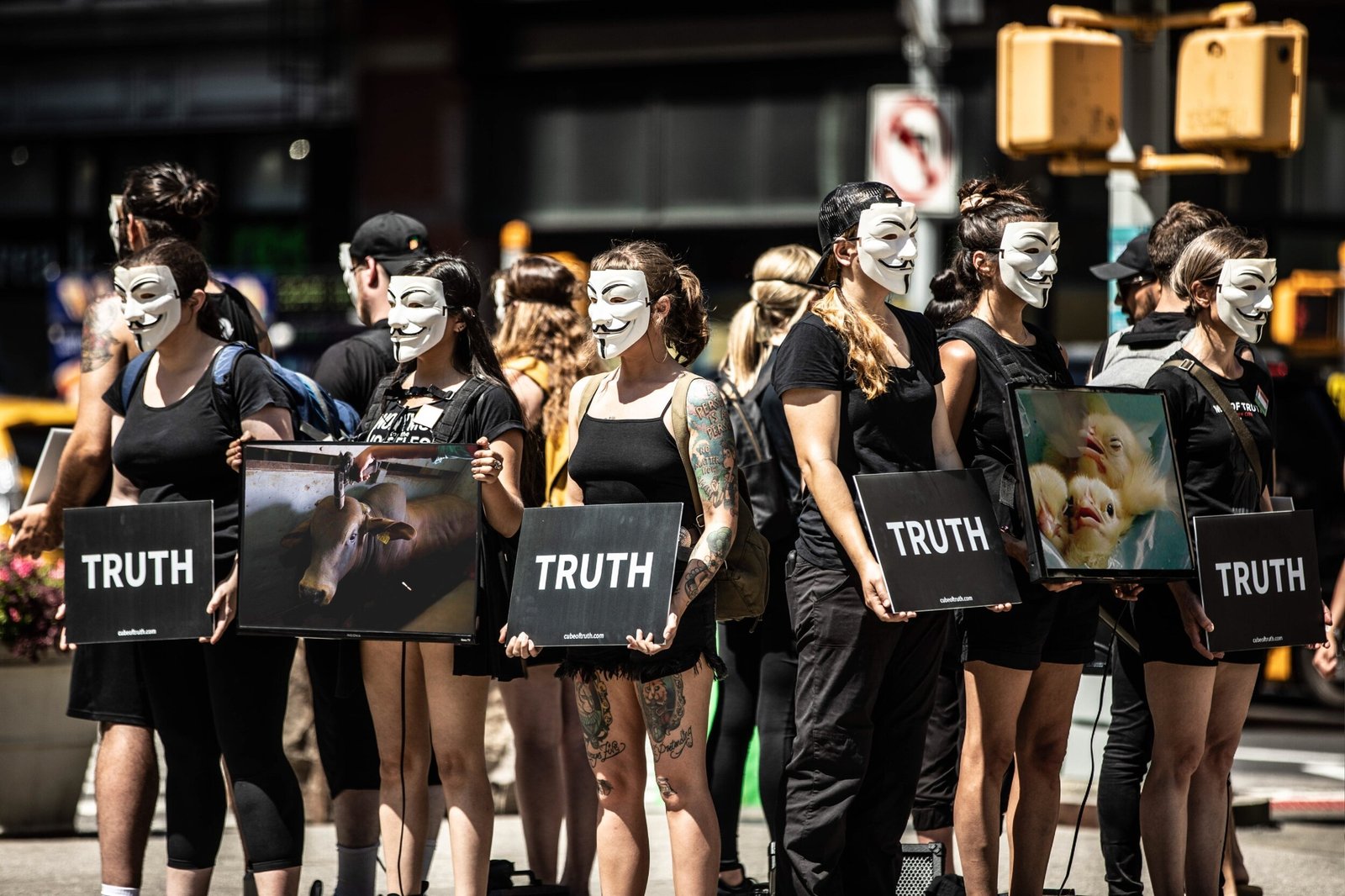
View this post on Instagram
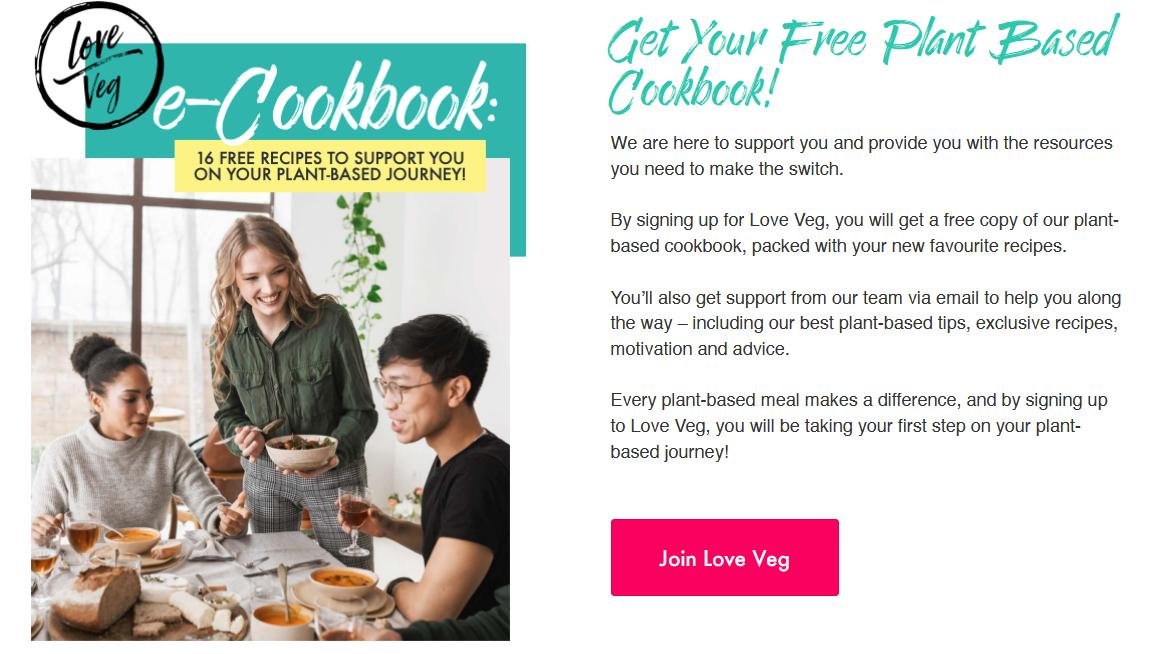
Like the roof of my mouth and my teeth after eating a fake cheese toastie (although I’ve not yet tried the treats on offer from 'vegan cheese queen' – Miyoko Schinner), veganism is something which I plan to stick with way beyond the end of January. Armed with Animal Equality's 'Love Veg' cookbook and Viva's 'Veganism 101' I feel more supported and empowered than ever.
2024 is only a week old but we're already making waves.
Thanks to Netflix's 'You Are What You Eat' I’ve finally made the leap to becoming vegan. I signed onto ‘Veganuary’ @veganuary and plan to stick with it (although my addiction to cheese and Curly Wurly bars is proving a challenge)
More details via https://t.co/RXpzEbFk1Y pic.twitter.com/5DvU9unT3I— Don Staniford (@TheGAAIA) January 9, 2024
Read more via:
- E24 in Norway: "Farmed salmon gets tough hit in new Netflix documentary"
- Herald: "Scottish salmon farms in Netflix and Paramount firing line – is it the end for farmed fish?"
- Original Gangster, moi?!
- 2023 – The Year 'Zombie' Salmon Died (& Chris Packham Cried "Stop Greenwashing")!
- Paramount & Netflix Expose Horrors of Scottish Salmon & Tavish Scott!
- The Guardian: "Animal rights group urges halt to ‘monstrous’ Lincolnshire salmon farm"
- Mowi Appeal Hearing Set for 1 February 2024!
- Video Exclusive: Mowi Whistleblower Lifts the Lid on Shitty Salmon Farming!
- Sunday Mail: "Whistleblower reveals disgusting footage of overflowing waste at Scots salmon farm"
Vicky Allan @heraldscotland: "The Scottish salmon industry is under fire. You would think, watching two international documentary series featuring segments on salmon farming, that it was at the point of having to dramatically change or die" @netflix https://t.co/ZmmUNpQonm pic.twitter.com/ujns4TJ7yb
— Don Staniford (@TheGAAIA) January 5, 2024