Unsatisfactory Biosecurity: Disease Control 'Improvement' & 'Further Investigation' Required at Processing Plants https://t.co/BRT7jIXPOi @MowiScotlandLtd @LochDuartSalmon
Is @ScotGovNetZero finally closing the net on infectious diseases, pathogens & viruses? @ScotlandSalmon pic.twitter.com/SdjnvJqpGt— Don Staniford (@TheGAAIA) October 5, 2022
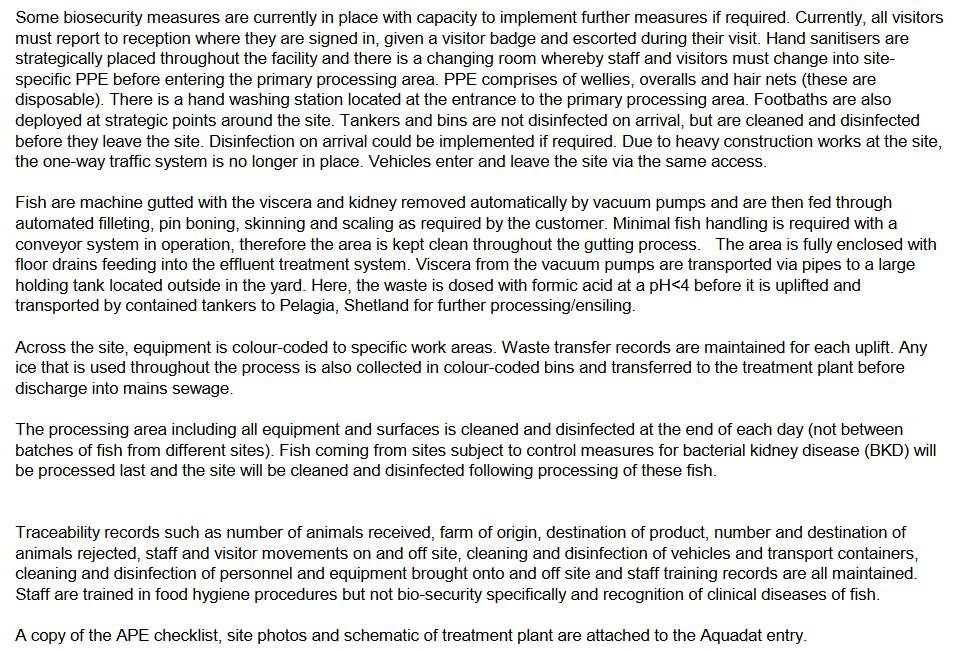
The Scottish Government's Fish Health Inspectorate recently slipped out interesting 'Case Information' detailing 'improvement' and 'further investigation' required following inspections of processing plants operated by Mowi in Fort William and Loch Duart in Dingwall earlier this year. The Fish Health Inspectorate sent Mowi a letter in June 2022 detailing "further investigation and improvement" to be implemented in order for the Blar Mhor processing plant in Fort William to be considered "satisfactory" (i.e. current biosecurity systems were unsatisfactory to deal with disease risks):


Unsatisfactory Mowi: "The following areas require further investigation and improvement….biosecurity of vehicles enterering the facility including disinfection should be implemented" @scotgov @marinescotland @MowiScotlandLtd @APHAgovuk @ScotlandSalmon https://t.co/BRT7jIXPOi pic.twitter.com/4c2866NKol
— Don Staniford (@TheGAAIA) October 7, 2022
Here's details of the Scottish Government's Aquaculture Processing Establishment (APE):


The Scottish Government's document - 'Your Legal Obligation' – details:

Last month (16 September 2022), the Scottish Government updated a register on 'Authorised Aquaculture Production Businesses and Authorised Processing Establishments':

Additional 'Case Information' reported by the Fish Health Inspectorate relating to an inspection of Mowi's Blar Mhor processing plant in May 2022 included:


Mowi's Blar Mhor processing plant has an appalling track record with Marine Harvest (renamed Mowi in 2019) fined £4,000 in 2005 for polluting the River Lochy with waste effluents – including fish viscera, blood and congealed fat deposits, scum and grease – following an investigation by the Scottish Environment Protection Agency.
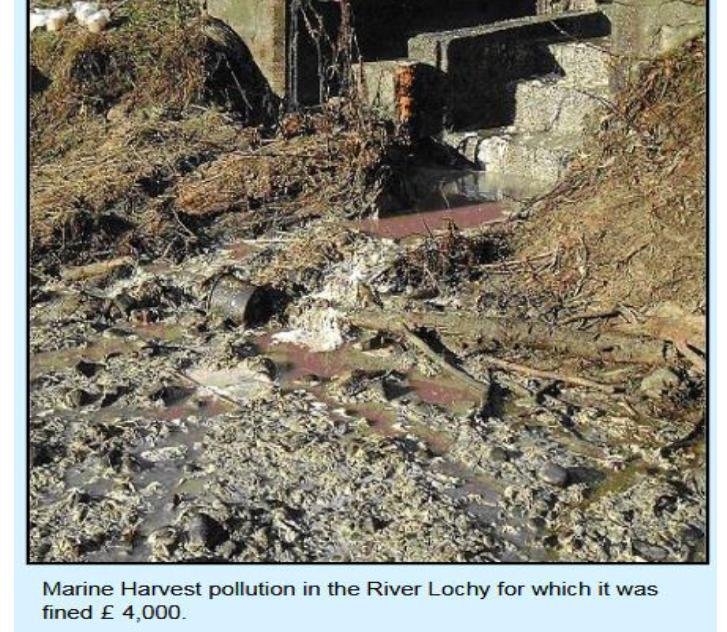
The Scottish Environment Protection Agency reported in 2005:
“This was a serious incident. The discharge was of a highly offensive and polluting nature. Sewage fungus present in the River can smother the bed of a watercourse, and can damage invertebrates and insect life. Secondary problems associated with smell from decaying matter were also reported to SEPA. The outfall to the River Lochy is immediately adjacent to a number of houses and Lochyside Primary School"

Fish Update reported in Juy 2005:

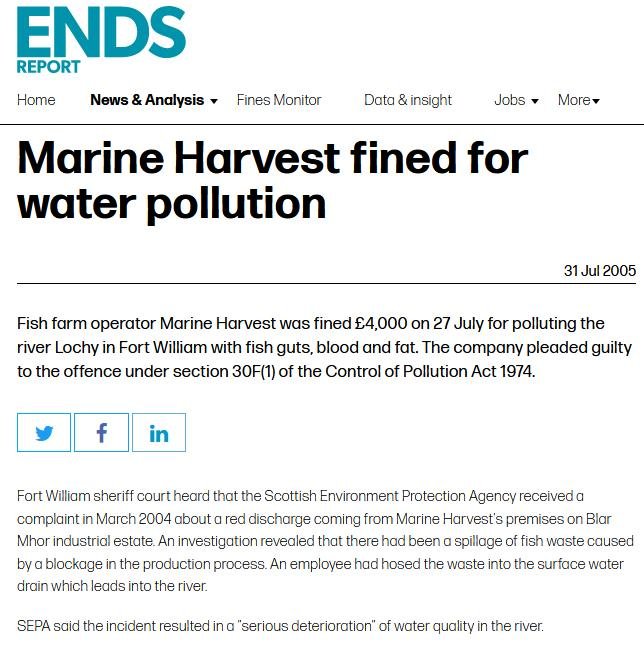
ENDS reported in July 2005:
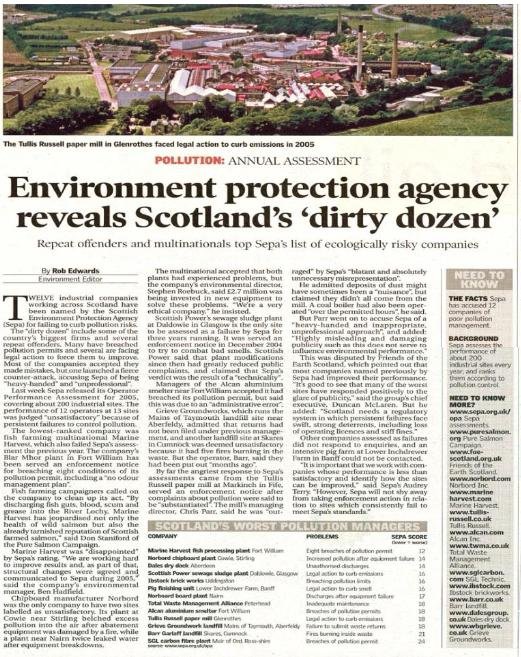
The Sunday Herald reported in May 2006:


Mowi was not the only company targetted by the Scottish Government's Fish Health Inspectorate – Loch Duart's processing plant in Dingwall was inspected in April 2022 with many of the same 'improvements' identified. The Fish Health Inspectorate sent Loch Duart a letter in June 2022 detailing 'improvements' to be implemented in order for the Dingwall processing plant in Fort William to be considered "satisfactory" (i.e. current biosecurity systems were unsatisfactory):
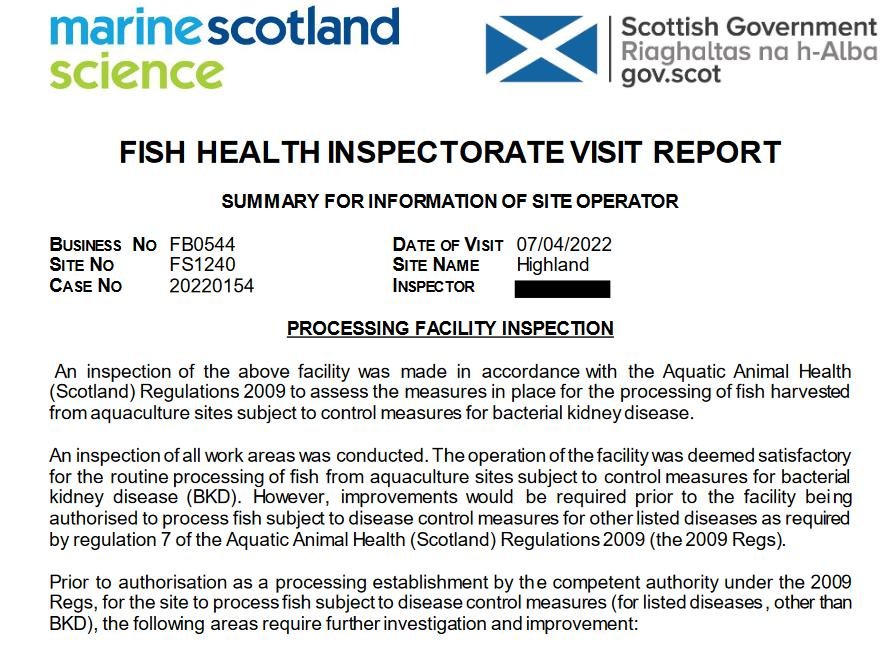


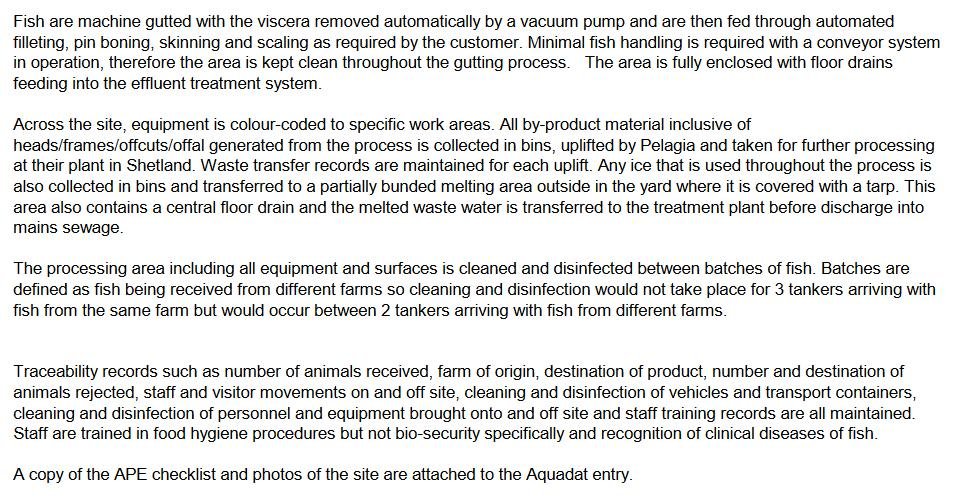
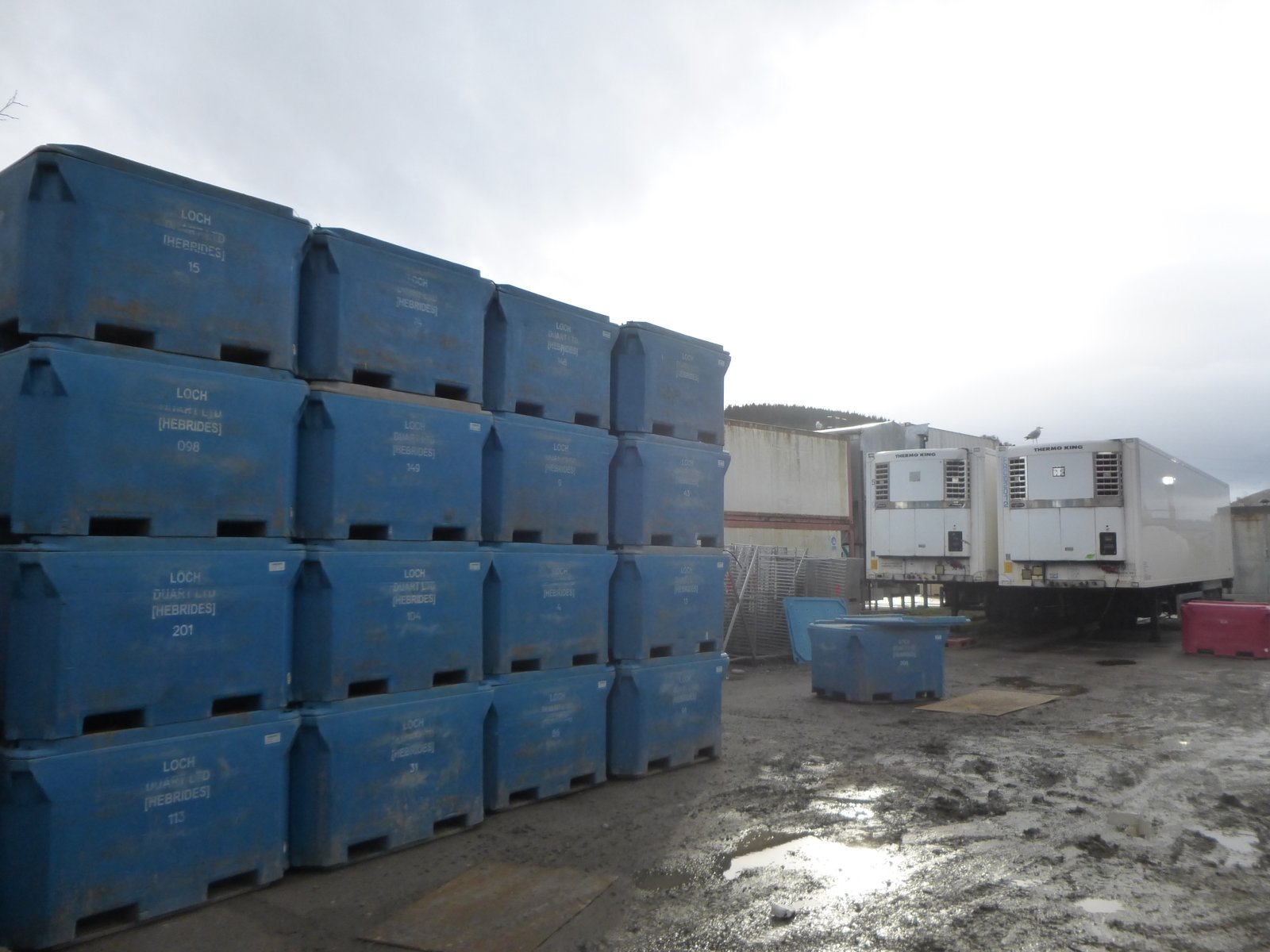
Here's additional 'Case Information' reported by the Fish Health Inspectorate for Loch Duart's processing plant in Dingwall:


Next door to Loch Duart's processing plant in Dingwall is the processing plant for Wester Ross Fisheries. I reported back in March 2014:


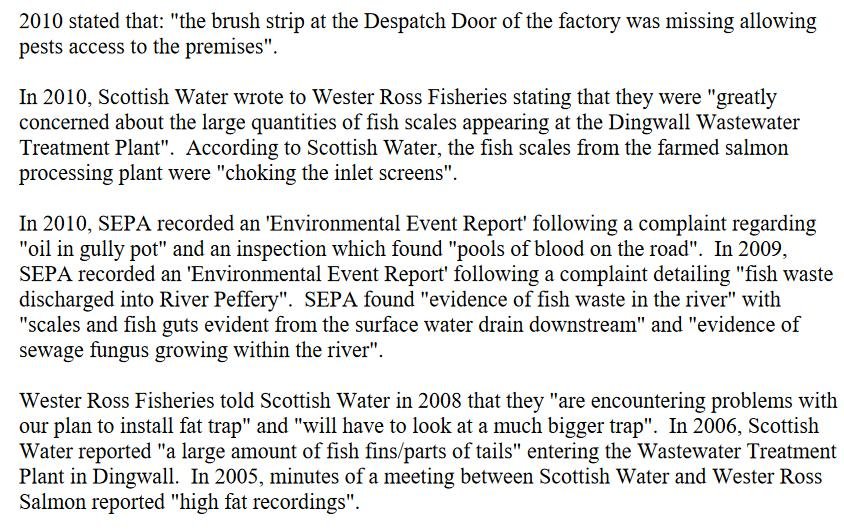
The Ross-shire Journal reported in March 2014:

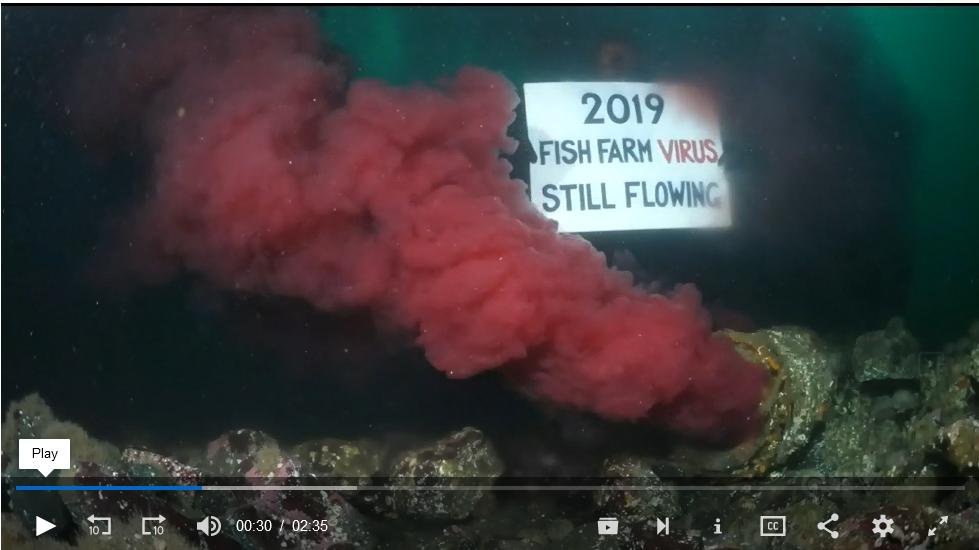
The issue of bloodwater – potentially contaminated with infectious diseases, lice and other pathogens – raised its ugly head in Canada in November 2017 with the publication of damning video footage by Tavish Campbell:

Salmon Business reported in December 2019:
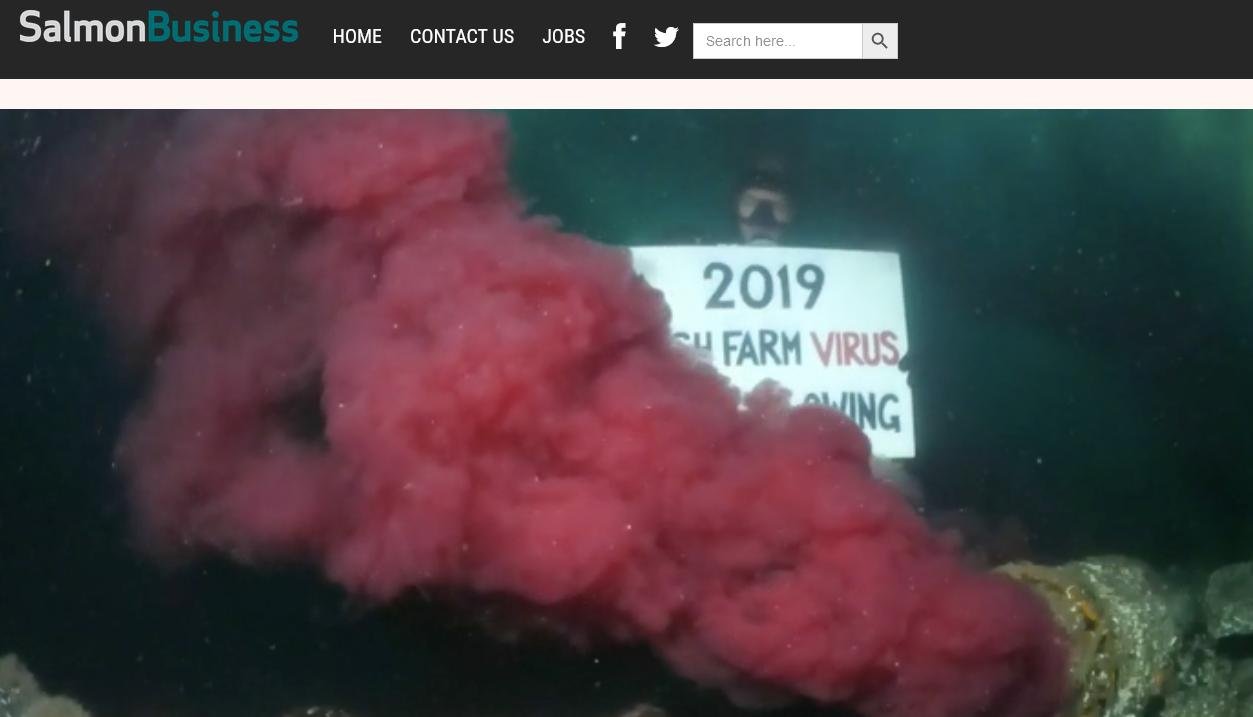

Watch the 2019 video footage broadcast by CTV News in Canada:
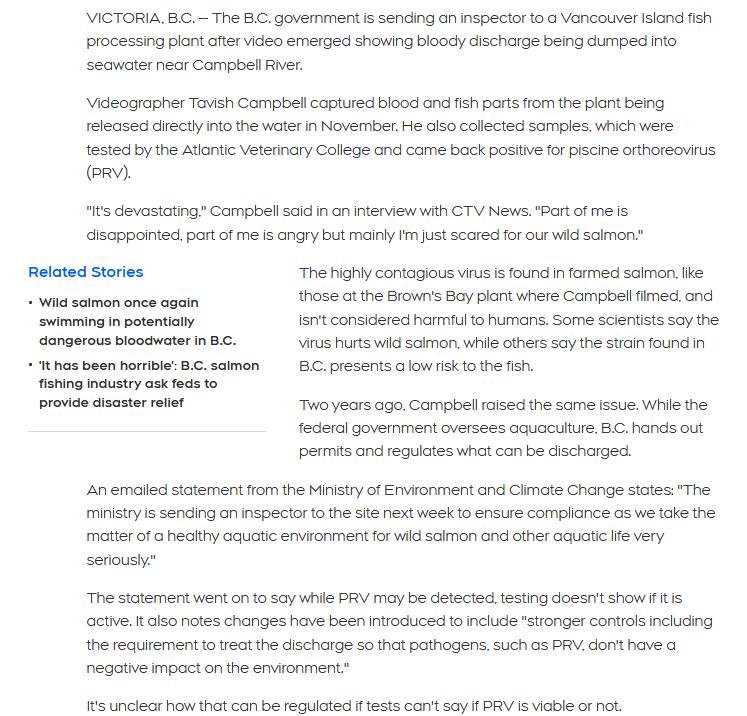
CTV News reported in December 2019:

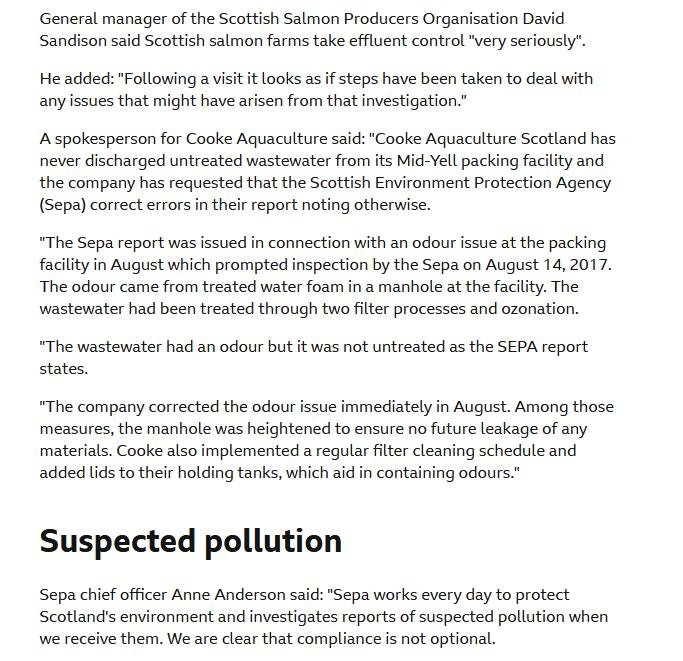
The issue of processing plants discharging bloodwater and other wastes reared its head in Scotland back in 2018. BBC News reported in January 2018:


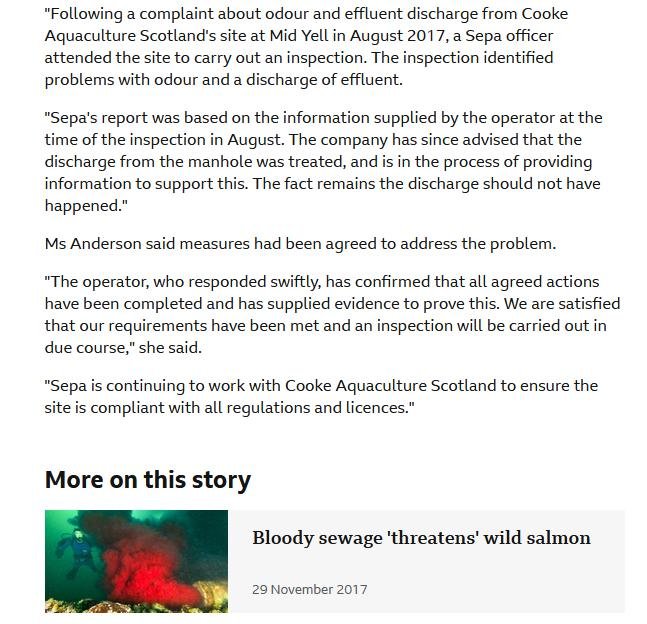
The issue of processing plant wastewater releasing bloodwater – and sea lice – was raised back in 2010 by diver Twyla Roscovich and marine biologist Alexandra Morton when video footage of effluents containing blood and parasites was published on Vimeo:
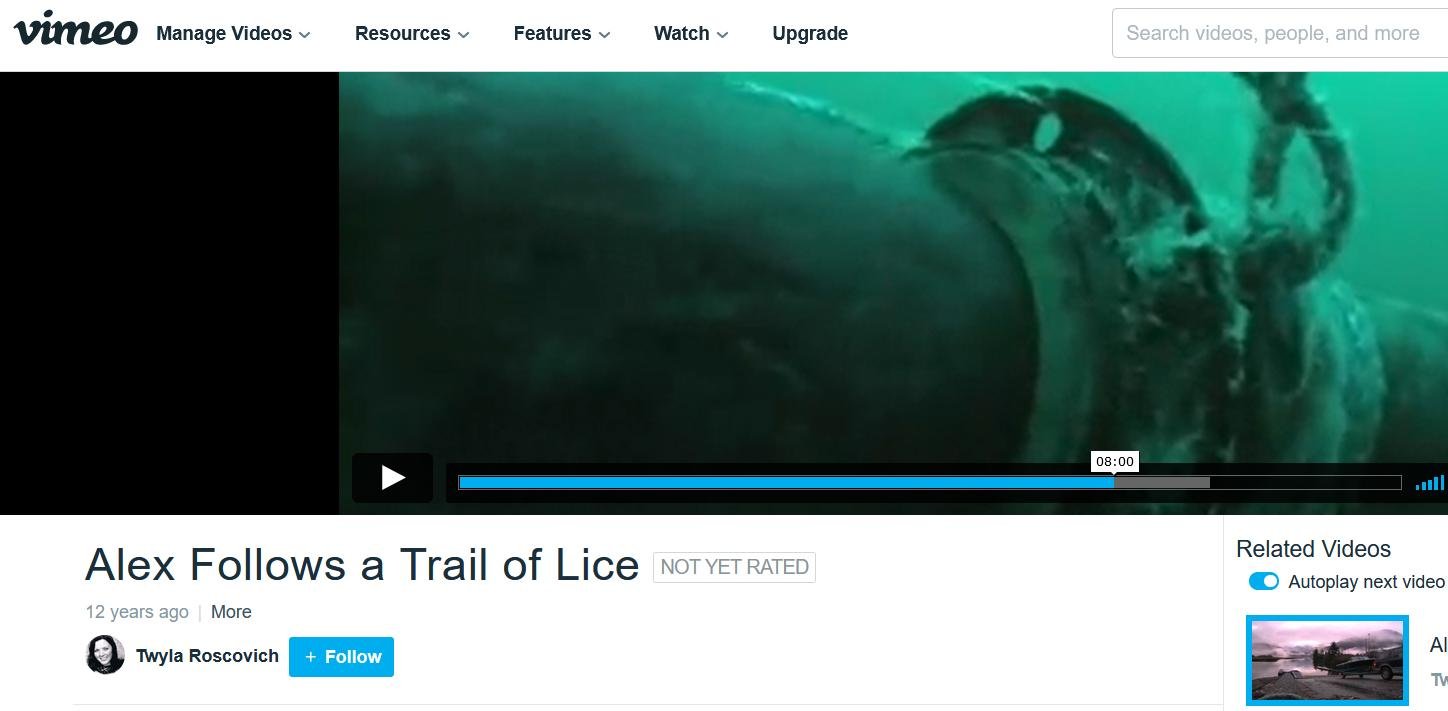
BBC News reported in April 2018:

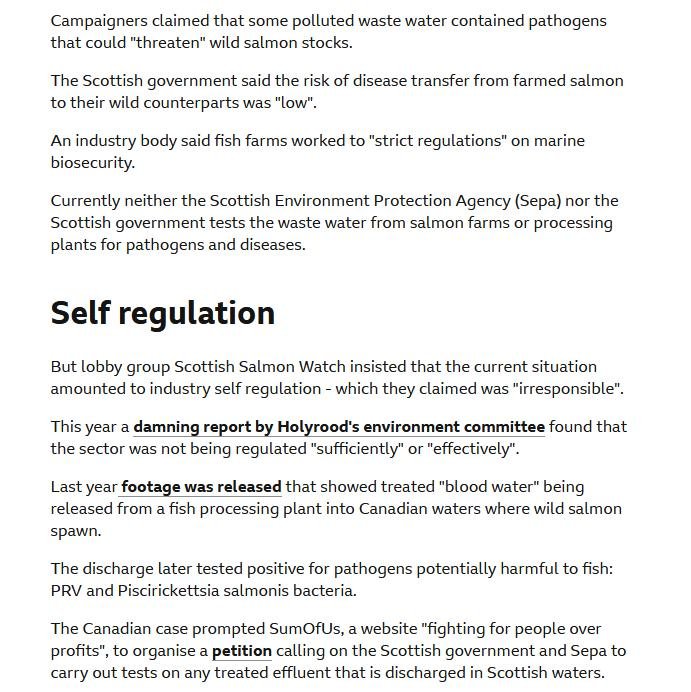


The Global Alliance Against Industrial Aquaculture reported in January 2018:


GAAIA's press release in January 2018 pointed out:
'A Code of Practice to avoid and minimise the impact of Infectious Salmon Anaemia' includes:
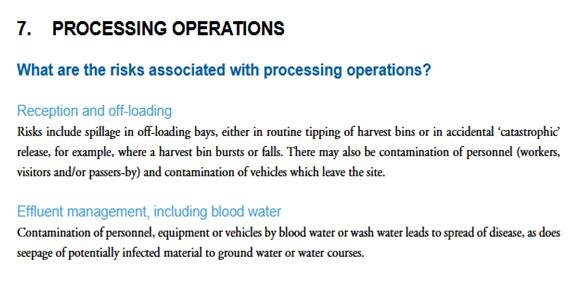
According to guidance from the Scottish Government on ISA: "Untreated effluent from processing plants has also been identified as being a particular risk":

"The virus can be transmitted through water, but the highest risk factors for spread of disease are movement of live fish, discharge of untreated blood and contact with infected vehicles and equipment," states another Scottish Government fact-sheet.
According to Scottish Government advice on 'Biosecurity & Disinfection': "Following the outbreak of infectious salmon anaemia (ISA) in May 1998, the former Fisheries Research Services (FRS) Fish Health Inspectorate (FHI) (now Marine Scotland Science FHI) produced a disinfection guide, outlining strategies to minimise and prevent the spread of the virus, thereby reducing the spread of disease. In June 2006, version IV was produced and this guide should be regarded as best practice at fish farm sites and processing plants".
The 'Disinfection Guide Version IV: Practical Steps to Prevent the Introduction and Minimise Transmission of Diseases of Fish' (2006) states:
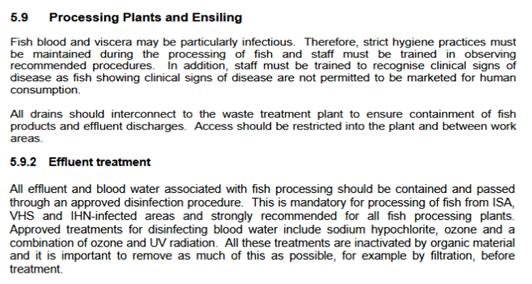
"Another important factor was the disinfection of processing plant effluent and the disinfection and sealing of well boats (CoGPWG 2006)," stated a report – 'Report into the epidemiology and control of and outbreak of infectious salmon anaemia in the Shetland Isles, Scotland' – published by Marine Scotland Science in 2010 following the outbreak of ISA in Shetland. "All waste from processing plants was disposed of by approved methods".


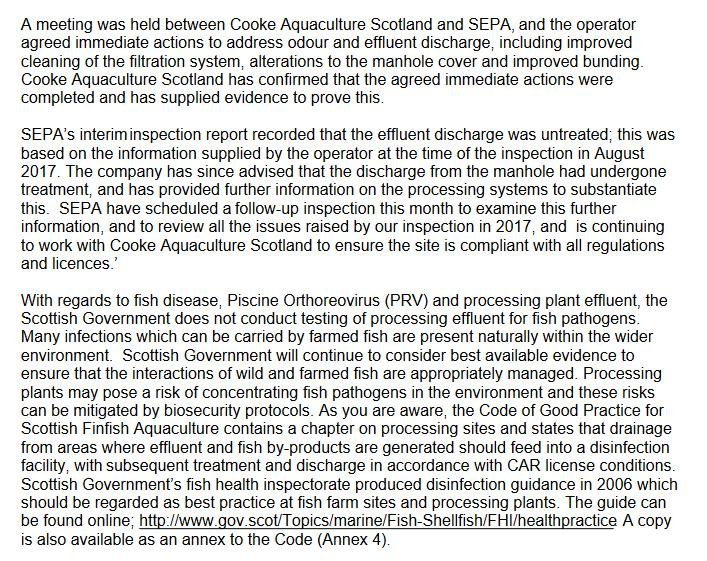
The Scottish Government wrote to me in February 2018 admitting that: "With regards to fish disease, Piscine Orthoreovirus (PRV) and processing plant effluent, the Scottish Government does not conduct testing of processing effluent for fish pathogens".



In April 2019, Scottish Salmon Watch wrote to Scottish Ministers urging the testing of ova, smolts and farmed salmon in sea cages for infectious diseases, pathogens and viruses.


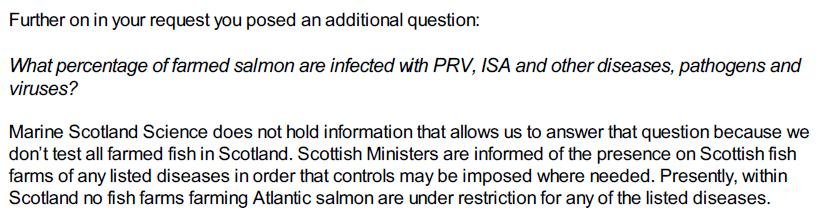
Scottish Salmon Watch reported in April 2020 that the Scottish Government does not test imported ova (eggs) for viruses, pathogens and diseases.


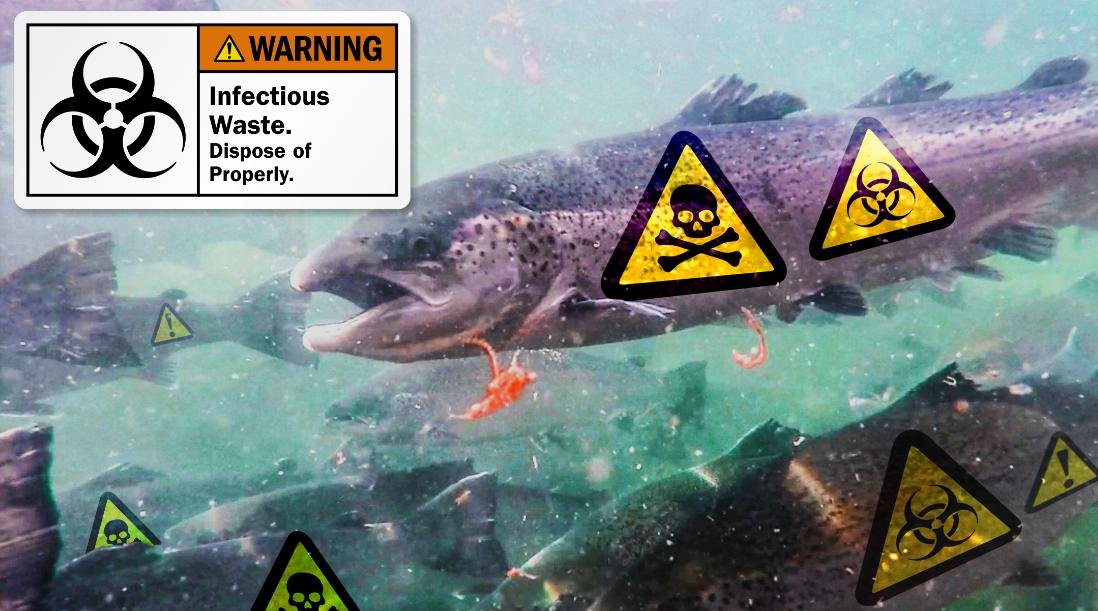
In June 2019, Scottish Salmon Watch revealed that testing by Marine Scotland Science in 2018 and 2019 found Piscine Reovirus in over 50% of farmed salmon.


$camon $cotland reported in February 2022 that Infectious Salmon Anaemia had been officially reported by the World Organization for Animal Health (OIE) in Scotland:
It’s Official: Infectious Salmon Anaemia Back to Haunt 'Scottish' Salmon – reported to the World Organization for Animal Health for the first time since 2012! https://t.co/pVdSQENcpZ @OIEAnimalHealth @marinescotland @DefraGovUK @ScotlandSalmon @scotseafarms @MairiMcAllan @scotgp pic.twitter.com/gBsig4qlc9
— Don Staniford (@TheGAAIA) February 10, 2022
Scottish Salmon Watch reported in December 2021:
Revealed: Infectious Salmon Anaemia Lurking in Scottish Salmon – 7% of farmed salmon tested positive for ISA between 2002 & 2012 (396 out of 5,395 samples) https://t.co/CH5p5qoPJZ
How many more cases of ISA are hiding in Scotland? @ScotlandSalmon @scotseafarms @MowiScotlandLtd pic.twitter.com/qD23ovQPMS— Don Staniford (@TheGAAIA) December 2, 2021
Scottish Salmon Watch reported in August 2021:
Infectious Salmon Anaemia comes back to haunt Scottish salmon – positive test reported by @marinescotland @rspcaassured @scotseafarms on Isle of Mull. Buy your fresh virus-laden Scottish salmon @marksandspencer – how many more farms are infected? @MowiScotlandLtd @salmon_scottish pic.twitter.com/JUjMS335xa
— Don Staniford (@TheGAAIA) August 30, 2021
"The ISA virus is a ticking time-bomb with the risk of spreading the deadly disease all too real. RSPCA Assured @scotseafarms in Loch Spelve could be ground zero in another ISA disease outbreak" https://t.co/d0hFOve4pg @scotgov @SSPOsays @rspcaassured @obantimes @scotgp pic.twitter.com/JguXT9RgkG
— Don Staniford (@TheGAAIA) August 30, 2021
"The Scottish Government should immediately quarantine @scotseafarms & test all salmon farms in Scotland for Infectious Salmon Anaemia" https://t.co/d0hFOve4pg @scotgov @ScotGovNetZero @MairiGougeon @MairiMcAllan @marinescotland @SSPOsays @APHAgovuk @rspcaassured @salmon_scottish pic.twitter.com/V2NEPx4Rst
— Don Staniford (@TheGAAIA) August 30, 2021
Read more via:
BBC News: "Scottish salmon farming petition signed by 30,500"
Shetland salmon packing factory leaks 'blood water' into sea
BBC Radio Shetland on Cooke's "untreated blood water" in Scotland
Letter to SSPO re violation of Code of Practice by Cooke Aquaculture in Mid Yell Voe 25 Jan 2018
Photo: Overflowing blood water and "raw effluent" from Cooke's processing plant into Mid Yell Voe
"Poor" SEPA Assessment for "gross" breach at Cooke's Mid Yell processing plant – August 2017